
Avatar Economies: When Your Digital Twin Becomes a Brand
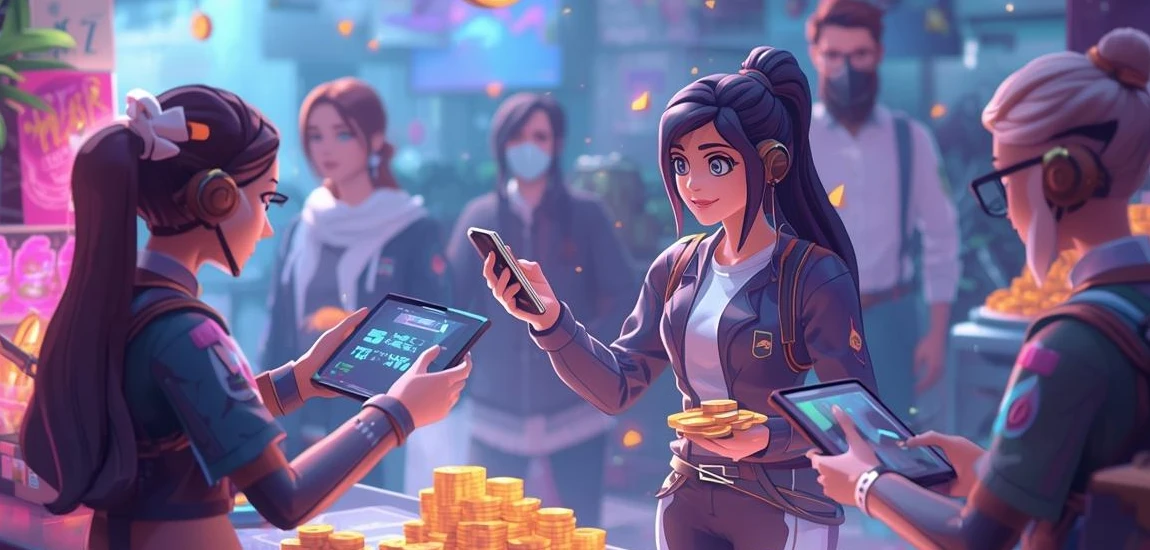
Once confined to science fiction and gaming, digital avatars have now become the newest currency of identity, creativity, and commerce. What started as playful profile pictures and animated characters has evolved into fully-fledged digital twins—AI-powered entities capable of generating income, building audiences, and representing individuals or brands across virtual worlds.
Welcome to the age of avatar economies, where your online self is not just a representation, but a brand asset. These digital entities—sometimes photorealistic, sometimes stylized—are performing, selling, collaborating, and even influencing culture without their human creators ever stepping in front of a camera.
This blog explores how avatars are revolutionizing branding, social media, and entertainment, while also raising questions about identity, ownership, and authenticity in the digital age.
The Rise of the Avatar Economy: From Pixels to Profits

From Gaming Characters to Digital Entrepreneurs
Avatars first emerged in online gaming and forums—spaces like Second Life and World of Warcraft where people could experiment with identity. But as virtual worlds became more sophisticated, these digital selves began taking on lives of their own. Today, avatars exist in social platforms like Zepeto, Roblox, and the metaverse, generating massive economic ecosystems.
Players and creators can now sell virtual items, skins, and experiences worth billions. According to a 2024 McKinsey report, virtual goods in avatar-driven economies surpassed $120 billion, demonstrating that the digital self isn’t just an extension of identity—it’s a commercial entity.
AI and the Birth of Digital Twins
Artificial intelligence is accelerating the shift from simple avatars to autonomous digital twins—AI-powered versions of ourselves that can create content, interact with audiences, and perform tasks independently. These avatars blur the line between automation and self-expression, turning identity into a scalable brand.
The Creator Economy Evolves into the Avatar Economy
The influencer era gave rise to the creator economy. Now, avatars are taking that concept further—creating a post-human influencer economy. Virtual models like Lil Miquela, Imma, and Shudu have millions of followers, land sponsorship deals, and feature in ad campaigns—all without aging, sleeping, or burning out.
Branding the Self: How Digital Twins Become Marketable Assets

The Avatar as a Personal Brand Extension
Your avatar isn’t just a profile image—it’s an evolving brand ecosystem. Whether you’re a streamer, artist, or entrepreneur, your digital twin can represent your identity across multiple virtual environments. It can appear at events, host livestreams, or even conduct business meetings in the metaverse.
By merging creativity with data analytics, creators can tailor their avatars to resonate with specific audiences, establishing a strong brand personality that transcends platforms. This consistency builds recognition and monetization opportunities, from virtual merch to NFT collaborations.
Virtual Influencers and Corporate Partnerships
Brands are quickly recognizing the power of avatar marketing. Virtual influencers are risk-free, endlessly customizable brand ambassadors who can embody company values without the unpredictability of human behavior. Fashion houses like Balmain, Prada, and Gucci have launched campaigns featuring virtual humans that interact with fans online.
These collaborations offer unprecedented control over messaging while allowing companies to engage younger, digitally native audiences who value virtual aesthetics as much as real-world luxury.
Identity as Intellectual Property
As avatars gain commercial value, digital identity becomes intellectual property. Ownership, licensing, and management of one’s digital likeness are emerging legal frontiers. Artists, performers, and influencers are now negotiating contracts that include rights over their virtual representations, ensuring that their avatars can generate revenue while maintaining ethical and creative boundaries.
The Economics of Digital Identity and Virtual Goods

Virtual Assets and Monetization Strategies
The avatar economy thrives on digital scarcity. Virtual outfits, accessories, and environments—often tokenized as NFTs—create exclusivity in virtual spaces. For example, owning a limited-edition jacket for your avatar in Decentraland or Fortnite carries the same social value as owning a designer item in real life.
Creators can monetize their avatars through:
Selling branded digital merchandise
Hosting paid virtual performances or meetups
Licensing their avatar for commercial campaigns
Offering personalized digital experiences
This multi-layered monetization model makes avatars powerful economic engines in both Web2 and Web3 ecosystems.
Metaverse Marketplaces and Brand Ecosystems
Platforms like Roblox, Zepeto, and The Sandbox act as virtual marketplaces for avatar commerce. Users can buy, trade, and design unique items, with creators earning royalties from every transaction. These platforms are developing into miniature economies, governed by supply, demand, and social capital.
The Rise of Tokenized Identity
Blockchain technology introduces tokenized identity, allowing users to authenticate and trade their digital selves. Imagine owning a verifiable NFT that represents your avatar, complete with recorded history, followers, and brand partnerships. This shifts ownership from centralized corporations to individual creators—empowering people to fully control their digital presence.
Emotional Resonance and Psychological Ownership

Why People Connect with Their Avatars
Avatars serve not only as creative tools but also as psychological mirrors. They allow individuals to explore different facets of identity—gender, style, age, or fantasy personas—without social constraints. This emotional connection gives avatars authenticity, making them more than just digital assets.
Psychologists call this phenomenon “identity fusion”—the merging of self and avatar. In the avatar economy, this fusion translates into stronger engagement, community loyalty, and brand trust.
Avatars as Emotional Interfaces
Digital twins can act as emotional proxies—communicating empathy, personality, and humor in ways that traditional marketing can’t. As conversational AI and natural language processing improve, avatars can form genuine two-way relationships with users, enhancing brand storytelling through interactive immersion.
Ethical Implications of Emotional Branding
However, emotional attachment raises ethical questions. If your avatar represents your personality but also markets products or collects data, where is the boundary between expression and exploitation? Ethical frameworks for avatar-brand relationships must evolve to ensure authenticity and consent in all digital interactions.
The Intersection of AI, Creativity, and Authenticity

AI-Generated Avatars and Synthetic Identities
Advancements in generative AI allow anyone to create a photorealistic digital twin in minutes. These AI avatars can record podcasts, appear in live broadcasts, or deliver customer service—without a human ever being present. As these technologies improve, distinguishing between human and synthetic identity becomes increasingly difficult.
Creativity in the Age of Automation
AI-generated avatars democratize creativity by lowering production costs. Independent artists can launch virtual brands without expensive equipment or large teams. Yet this accessibility also creates saturation—millions of avatars competing for attention. The challenge shifts from creation to differentiation and narrative authenticity.
Authenticity as a New Currency
In a world of infinite digital identities, authenticity becomes the ultimate value. Successful avatars aren’t necessarily the most realistic—they’re the most humanly relatable. Whether through vulnerability, storytelling, or unique aesthetics, digital twins that evoke genuine emotion will stand out amid algorithmic sameness.


Ben Schlappig runs "One Mile at a Time," focusing on aviation and frequent flying. He offers insights on maximizing travel points, airline reviews, and industry news.
Ben Schlappig

Prev Post

Next Post