
The Role of Spatial Computing in Redefining Home Entertainment Systems
What Spatial Computing Really Means in a Consumer Context
Spatial computing refers to technology that understands, maps, and interacts with the physical environment in real time. It blends the digital and physical worlds using sensors, AR/VR devices, 3D mapping, and artificial intelligence. In the context of home entertainment, spatial computing transforms the home into a dynamic playground where digital experiences adapt to the environment. Instead of simply watching content on a screen, users experience movies, games, and music as immersive, spatially-aware interactions that respond to movement, gestures, and the surrounding space.
Why Spatial Computing Is Becoming Central to Modern Digital Experiences
As consumer expectations evolve, people want more than passive entertainment—they want interactive, multi-dimensional experiences that feel personal, intuitive, and engaging. Spatial computing delivers exactly that. Devices like AR headsets, smart projectors, spatial audio systems, and mixed-reality glasses allow users to explore virtual content that blends seamlessly into their physical surroundings. Whether it’s watching a film that expands across the walls, playing games that use the entire room, or interacting with 3D holograms, spatial computing brings a new level of immersion. This demand for connected, intelligent, and deeply interactive entertainment is driving rapid adoption of spatial computing in homes.
How the Evolution of Home Entertainment Created Space for Spatial Computing
Decades ago, entertainment revolved around a single television set. Then came high-definition screens, surround sound, smart TVs, and streaming services, each improving convenience and quality. Spatial computing represents the next evolutionary leap. Instead of improving the screen, it eliminates the screen altogether, turning the environment into the interface. As more homes adopt smart devices and as AR/VR tech becomes affordable, spatial computing seamlessly integrates into everyday life. It is redefining what “home entertainment systems” look like and setting the foundation for a fully immersive future.
Immersive Viewing: How Spatial Computing Transforms Movies and TV Shows

Turning Any Room Into a Cinema Through Environmental Mapping
Traditional home theaters rely on large screens, projectors, or ultra-HD televisions. Spatial computing disrupts this model by using 3D mapping and projection to transform entire rooms into immersive theaters. AR projectors and mixed-reality headsets can scale digital screens to match any wall size, adjust brightness and contrast automatically, and even overlay dynamic elements into the environment. Instead of being limited by a television’s dimensions, users can enjoy panoramic visuals that wrap around their living spaces, offering a more cinematic, sensory-rich experience.
Interactive Storytelling Powered by Spatial Awareness
Spatial computing also enables new forms of storytelling. Visual elements can emerge from the walls, characters can appear life-sized in the room, and scenes can extend beyond the boundaries of traditional screens. This transforms passive viewing into interactive participation. For example, mystery films could reveal clues in the room, documentaries could project 3D models of historical artifacts, and kids’ shows could place animated characters directly into their play spaces. These spatial interactions create deeper emotional engagement and make content more memorable.
Enhanced Comfort and Personalized Viewing Modes
Thanks to real-time environmental sensing, spatial computing systems can personalize viewing modes based on lighting conditions, user preferences, or room layout. Whether you're lying on the couch, cooking in the kitchen, or working out, the system automatically adjusts the positioning, size, and orientation of the digital display. Spatial computing also enables flexible multi-user viewing—each viewer can see individualized screen sizes or subtitles in AR glasses without affecting others. This level of personalization redefines the meaning of comfort in home entertainment.
Gaming Reinvented: Spatial Computing as the Future of Interactive Play

Room-Scale Experiences That Turn Homes Into Game Worlds
Spatial computing elevates gaming beyond consoles and screens by using the physical environment as part of the game mechanics. Players move through their living spaces as enemies appear behind furniture, puzzles unfold across walls, or digital obstacles materialize in hallways. This room-scale gameplay creates a sense of physical involvement that traditional controllers cannot match. Combined with AR headsets and wearable sensors, gaming becomes both more immersive and more physically active.
Multiplayer Mixed-Reality Games for Families and Friends
One of the most exciting advancements is the rise of shared mixed-reality multiplayer games. Multiple players can wear AR glasses and see the same 3D game characters and environments mapped onto the room. Whether it’s battling robots in the living room or solving escape-room puzzles in the basement, spatial computing enhances social connection and collaborative play. This transforms gaming from a solo hobby into a group event that brings people together.
How Spatial Computing Enhances Game Design and Accessibility
Spatial computing offers game developers new creative tools, enabling them to design experiences that respond to real-world spaces. Games can scale difficulty based on room size, rearrange obstacles dynamically, or adjust gameplay to fit small apartments or large homes. Additionally, spatial computing improves accessibility. Players with limited mobility can adjust game boundaries, simplify controls, or use voice and gesture input to participate fully. This inclusive design expands who can enjoy next-gen gaming.
The Evolution of Spatial Audio: Transforming Sound Into a 3D Experience

How Spatial Audio Enhances Immersion in Home Entertainment
Sound is a critical element of immersive entertainment, and spatial computing elevates audio to a new dimension. Spatial audio systems use 3D positioning and room mapping to deliver sound that moves naturally within the environment. Instead of fixed speakers, audio objects can originate from any direction—above, behind, or beside the viewer. This creates an experience where a helicopter sounds like it’s flying overhead, characters' voices shift as they move, and music surrounds the listener with cinematic depth.
Adaptive Sound That Responds to Your Environment
Traditional audio systems require manual calibration, but spatial computing automates this through sensors and AI. The system analyzes room shape, furniture placement, ceiling height, and user position, adapting sound output in real time. Whether you move from the couch to the kitchen or sit on the floor, the audio adjusts to maintain a balanced, high-quality experience. This eliminates dead zones and ensures consistent immersion no matter where you are.
Personalized Audio Experiences for Multi-User Homes
Spatial audio also enables individualized sound profiles for each user. With AR earphones or smart speakers, different household members can hear personalized audio cues without disturbing others. Gamers can receive directional sound effects, movie lovers can enjoy cinema-grade dialogue clarity, and music enthusiasts can listen to spatial playlists tailored to their tastes. This level of personalization represents a major leap forward in home entertainment sound design.
Smart Home Integration: Spatial Computing as the New Digital Hub

How Spatial Computing Connects Devices and Spaces
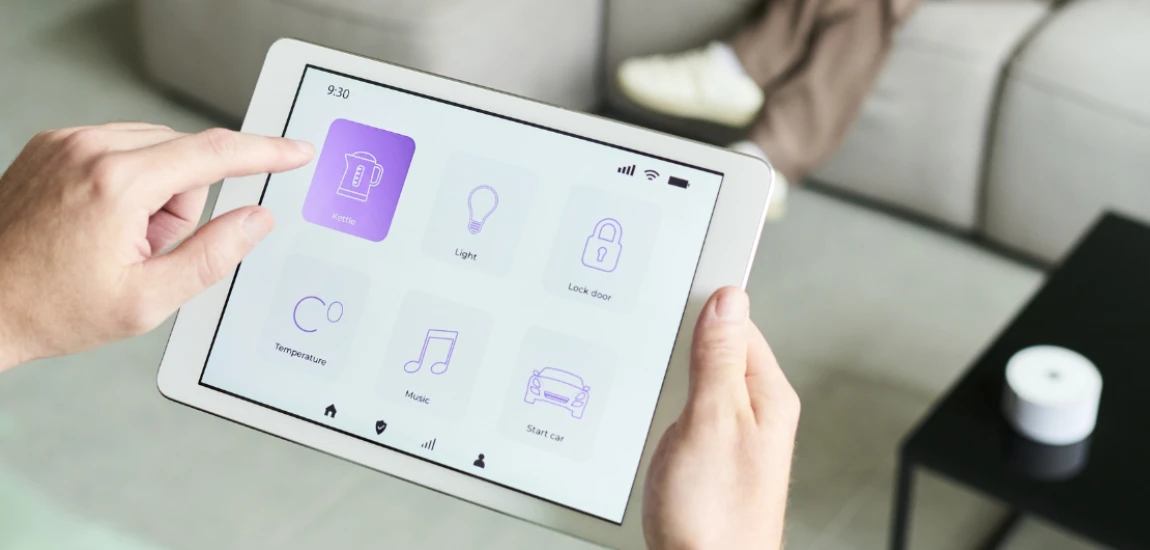
Spatial computing acts as the central brain of smart homes, connecting entertainment systems with IoT devices, lighting, security, and more. Because the technology understands spatial layouts, it can orchestrate entire environments. A movie night, for example, might trigger lights to dim, curtains to close, and audio systems to activate automatically. With spatial awareness, these interactions become more precise and fluid than ever before.
Gesture, Voice, and Movement as Entertainment Controls
One of the core advantages of spatial computing is intuitive control. Users can pause a movie with a hand gesture, change volume with a voice command, or open entertainment apps simply by walking into the room. Movement detection enables hands-free experiences that feel natural and futuristic. These interfaces remove the need for remote controls and elevate the convenience of smart home entertainment.
Shared Family Experiences Through Intelligent Spatial Coordination
Spatial computing allows for multi-user coordination within the same environment. Different family members can access personalized content while still sharing the same physical space. Parents might watch a movie on a virtual screen, while kids interact with AR games mapped onto the floor. The system intelligently manages these overlapping experiences without interference, making home entertainment more flexible and inclusive.
The Future of Home Entertainment Through Spatial Computing

AI-Driven Personalization for Next-Generation Media Experiences
As AI becomes deeply integrated with spatial computing, home entertainment will evolve into fully personalized environments. Systems will learn user habits, predict content preferences, adjust layouts dynamically, and recommend immersive experiences tailored to mood or time of day. Movies could adjust emotional intensity through environmental animations, and games could adapt challenge levels automatically based on player performance.
Holographic Displays and Screenless Media Take Center Stage
One of the most transformative future trends is the rise of holographic entertainment. Spatial computing will enable 3D holographic characters, interface elements, and interactive projections that appear anywhere in the room—no screens required. This shift will redefine not only how we consume media but how we organize our living spaces.
Blending Physical and Digital Worlds for Everyday Living
Ultimately, spatial computing will blur the boundaries between physical and digital life. Entertainment will become a natural extension of the home environment, integrating with daily routines seamlessly. Homes will no longer house “entertainment systems”—they will become entertainment systems. This evolution marks the beginning of a new era where creativity, technology, and lifestyle merge into a unified experience.


Kate McCulley, the voice behind "Adventurous Kate," provides travel advice tailored for women. Her blog encourages safe and adventurous travel for female readers.
Kate McCulley

Prev Post

Next Post