
The Growth of Metaverse Concerts and Hybrid Live-Stream Events
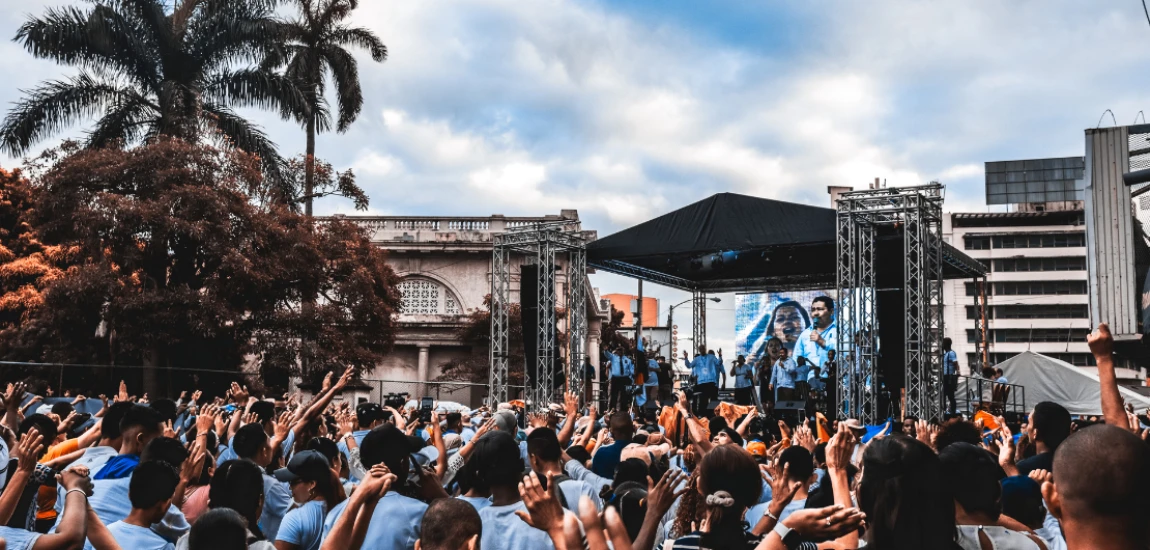
A new era of digital immersion
The rise of metaverse concerts is one of the most significant shifts in modern entertainment, blending virtual reality, gaming environments, and digital performance spaces. Unlike traditional online streams, metaverse concerts offer immersive 3D venues, customizable avatars, and interactive features that mimic—and often enhance—the physical concert experience. Fans can dance, explore virtual merch stores, chat with others, and even meet artists in digital meet-and-greets. This added layer of immersion is attracting millions of fans worldwide, particularly younger audiences who already spend much of their time in virtual worlds like Fortnite, Roblox, and VRChat.
Accessibility and inclusivity redefining attendance
Metaverse concerts break down barriers that have long limited live event attendance, such as travel costs, geographic restrictions, and venue capacities. Fans from any country can join the same event simultaneously, making concerts more accessible and inclusive than ever before. This global accessibility also gives emerging artists opportunities to expand their audiences far beyond their local markets. Meanwhile, fans with disabilities or those unable to attend physical events gain new ways to participate without limitations.
Why metaverse concerts appeal to next-gen fans
Younger audiences value interactive, personalized, and tech-driven experiences. Gen Z and Gen Alpha grew up with gaming, online communities, and customizable digital identities, making metaverse concerts a natural extension of their entertainment habits. They’re not just looking for passive viewing—they want participation, creativity, and co-creation. Metaverse events deliver on these expectations through real-time interactivity, gamified experiences, and dynamic visuals that aren’t possible in the real world.
The Rise of Hybrid Live-Stream Events as the New Entertainment Standard

Blending physical and digital audiences
Hybrid live-stream events combine the energy of in-person performances with the accessibility of digital participation. These events allow fans to attend physically while others join from home via live-streamed, multi-angle, or VR-enhanced experiences. The blending of physical and virtual creates a powerful synergy: artists benefit from larger audiences, venues see increased revenue, and fans enjoy personalized viewing modes. Hybrid events became popular during global lockdowns, but their adoption has continued due to their convenience and inclusiveness.
Enhanced fan engagement through real-time interaction
Hybrid events often integrate live chats, synchronized light shows, AR filters, synchronized digital effects, and virtual crowd reactions. Fans watching from home can vote on setlists, participate in virtual shoutouts, or influence stage visuals in real time. Meanwhile, in-person fans enjoy the physical aura of the performance. This dual strategy enhances engagement and turns every audience member into an active participant, regardless of how they attend.
The economic benefits of hybrid formats
Hybrid live-stream events allow artists and event organizers to double or triple revenue by selling both physical tickets and virtual access passes. Brands can also sponsor digital booths, virtual merchandise, and interactive ad experiences, increasing monetization opportunities. Hybrid events are becoming the norm for major festivals, conventions, and tours because they offer flexibility, scalability, and the potential for significantly higher profits without increasing venue capacity.
Technology Driving the Explosion of Metaverse Concerts

High-fidelity virtual environments and CGI stages
Advanced game engines and 3D modeling technologies allow creators to design visually stunning virtual worlds. Unlike physical concerts, where set changes are limited, metaverse stages can transform in real time—shifting into outer space, underwater scenes, futuristic cities, or surreal fantasy landscapes. This level of creative freedom enhances storytelling and elevates the artist’s brand identity. Technologies like Unreal Engine, Unity, and volumetric capture are pushing the boundaries of what digital concerts can look like.
VR, AR, and XR as core experience pillars
Virtual reality headsets provide immersive 360-degree concert environments, while augmented reality overlays digital visuals onto the real world. Extended reality (XR) blends real performers with digital backgrounds, creating futuristic hybrid shows. These technologies enable multi-dimensional concert experiences where fans can switch between viewpoints—onstage, backstage, front-row, or aerial camera angles—something impossible at physical concerts.
Blockchain, NFTs, and digital ownership
NFT-based ticketing, virtual merchandise, and collectible digital assets are becoming integral parts of metaverse concerts. Fans can purchase unique digital items such as limited-edition avatars, backstage access passes, or virtual posters. NFT-based collectibles give fans long-term ownership and create new revenue streams for artists. Blockchain also prevents ticket scalping and fraud, ensuring fair access for fans.
How Artists and Creators Are Leveraging the Metaverse

Expanding creative freedom beyond physical limitations
Artists are increasingly using metaverse concerts to experiment with visual storytelling, character-driven narratives, and interactive performances. In these virtual spaces, gravity, physics, and logistics don’t apply. Artists can teleport, fly, transform, or perform with digital augmentations that would be impossible on a real stage. This creative freedom enhances artistic expression and helps reimagine what a concert can be.
Building global fan communities
Metaverse concerts are more than one-time events—they act as hubs for continuous fan engagement. Artists can host meet-and-greets, listening parties, virtual Q&A sessions, and interactive fan spaces. This fosters stronger, more intimate relationships between artists and their audiences. Fans feel more connected to performers and to each other, helping build long-term loyalty and fan-driven marketing.
Revenue diversification for artists
Artists no longer rely solely on touring for income. Metaverse concerts and hybrid events open multiple revenue streams including:
• Virtual tickets
• NFT merchandise
• Digital collectibles
• Brand partnerships
• Virtual meet-and-greet passes
• Member-only metaverse fan clubs
This diversification allows creators to earn consistently, even when physical touring becomes difficult or unpredictable.
The Business Models Powering Metaverse and Hybrid Concerts

Virtual ticketing and premium access packages
Digital experiences allow venues and artists to offer tiered ticketing options—general entry, premium access, backstage mode, VR immersion mode, or interactive view options. These packages cater to fans with varying budgets, making the events more inclusive while boosting revenue potential.
Brand partnerships and virtual sponsorships
Brands are increasingly participating in metaverse concerts through virtual booths, branded virtual stages, avatar apparel, and digital product placements. Because metaverse audiences skew young and digitally savvy, brands view these events as high-value marketing opportunities. Sponsorships in virtual concerts can be more creative and dynamic than in physical spaces, enabling memorable engagement.
The growth of virtual merchandise sales
Digital merchandise—NFTs, avatar skins, wearable digital fashion, animations, or exclusive badges—has become a major revenue driver. Fans often value these digital assets as collectibles, social status symbols, or personal expression tools. Virtual merch has higher margins than physical products because it doesn’t require manufacturing or shipping, allowing artists to scale earnings rapidly.
The Future of Metaverse Concerts and Hybrid Live-Stream Events

The rise of AI-driven personalized concerts
Future metaverse concerts may use AI to personalize performances for individual fans. Setlists, visuals, and avatar interactions could change based on a fan’s preferences, listening history, or past event attendance. AI-driven concerts could become the ultimate personalized entertainment experience.
Global cultural exchange and virtual festival ecosystems
Metaverse platforms will bring together fans from across the world, leading to global festivals where artists from multiple countries perform on shared digital stages. These events promote cultural exchange and allow niche artists to reach new audiences who might never discover them in traditional settings.
Sustainability and reduced environmental impact
Virtual and hybrid events reduce the environmental footprint of large-scale concerts by cutting down on travel, logistics, and physical resource consumption. This shift supports global sustainability efforts while still offering world-class entertainment.


Operating "The Blonde Abroad," Kiersten Rich specializes in solo female travel. Her blog provides destination guides, packing tips, and travel resources.
Kiersten Rich
Prev Post

Next Post