
The Growth of AI-Optimized Theater Seating Maps for Immersive Cinema Experiences
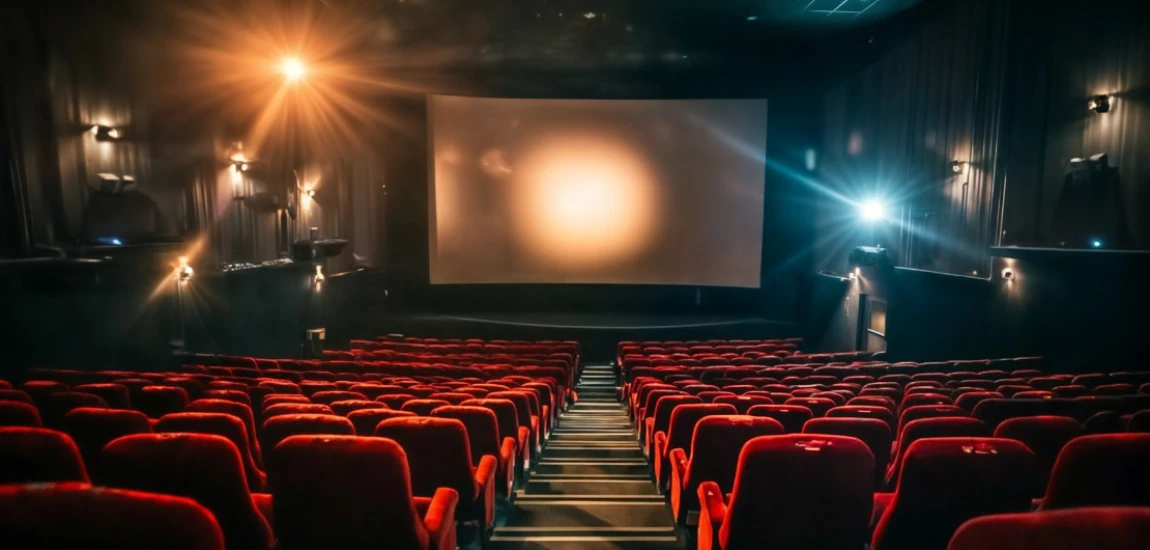
The evolution of cinema technology has not been limited to screens, sound systems, or projection formats. In recent years, AI-optimized theater seating maps have become one of the most influential innovations transforming how audiences experience movies. These intelligent mapping systems analyze multiple data points—from seat elevation to surround sound reach—providing moviegoers with precise recommendations that maximize comfort and immersion. With audience expectations changing rapidly, AI-driven seat optimization is helping theaters stay relevant and competitive in the age of premium entertainment.
Why AI Is Becoming Essential for Modern Cinemas
Theaters are expanding beyond the traditional layout. From IMAX and 4DX to Dolby Cinema and ScreenX, each auditorium has unique acoustic patterns, screen curvature, and viewing zones. AI helps decode these complexities by mapping each seat's quality index. This index includes factors such as distance from the focal point, sightline clarity, head-turning range, and sound channel alignment. AI-driven predictions ensure that audiences—not just high-paying VIP customers—can access optimized seating recommendations tailored to their preferences.
How AI Seating Maps Work Behind the Scenes
At the core of these systems are algorithms trained using spatial data, 3D auditorium layouts, crowd behavior analytics, and historical user ratings. The AI models simulate viewing angles and sound distribution for every seat, scoring them in real time. Some platforms integrate motion-tracking or heat maps to understand where audience engagement tends to peak. These insights help refine recommendation engines and give users accurate expectations of their movie experience.
A New Level of Transparency for Moviegoers
Before AI, choosing theater seats was little more than an educated guess. Now, AI-optimized seating maps give viewers clear indicators of seat quality—often through color-coded scoring systems and interactive maps. This helps audiences make informed decisions, boosts overall satisfaction, and increases the perceived value of premium cinema formats. The rise of AI seating optimization is not just a technological trend—it’s an essential part of future-proofing the moviegoing experience.
How AI Enhances Immersive Cinema Through Smarter Seat Optimization

Immersive cinema depends on more than just visual effects or loud sound. True immersion requires thoughtful seat positioning, visual clarity, and balanced acoustics. AI-optimized theater seating maps help achieve these conditions by analyzing thousands of variables and determining how each seat performs within the auditorium environment. The result is a personalized and scientifically backed recommendation system that elevates every screening.
Improving Viewing Angles and Visual Immersion
Screen size and shape play a major role in seat quality. AI systems simulate line-of-sight based on seat height, distance, screen curvature, and audience obstructions. Whether it’s a flat, curved, or panoramic ScreenX layout, AI identifies ideal viewing zones and adjusts calculations depending on screen format. This precision ensures that even lesser-known seat locations can still offer excellent immersion, helping theaters fully utilize capacity without compromising the experience.
Balancing Surround Sound Distribution
Modern theaters rely on advanced audio systems like Dolby Atmos, DTS:X, and IMAX’s proprietary sound technology. These systems create dynamic soundscapes, but not every seat receives the same acoustic precision. AI calculates how sound waves reach each seat based on speaker placement and auditorium shape. By identifying “sweet spots,” these optimization tools guide moviegoers toward seats with well-balanced sound while helping theaters tune and calibrate their systems more effectively.
Reducing Viewer Strain and Increasing Comfort
Comfort is a core component of immersion. AI analyzes ergonomic comfort levels by assessing reclining capabilities, spacing, legroom, and seat alignment with the screen. This helps customers avoid neck strain or uncomfortable angles that break immersion. As theaters introduce luxury seating, vibration chairs, and motion-activated effects, AI optimization becomes crucial for aligning these features with viewer preferences.
The Technology Behind AI-Optimized Seating Maps

AI seating systems rely on a combination of spatial analytics, machine learning, and user-generated data to determine optimal seat mapping. These technologies work seamlessly in the background to create personalized recommendation engines that outperform traditional manual systems.
Spatial Intelligence and 3D Auditorium Mapping
The foundation of AI seating optimization lies in detailed 3D models of auditorium spaces. These models incorporate wall angles, ceiling heights, projector distances, seat elevations, and acoustic properties. AI then runs simulations to evaluate visual and auditory experiences from every seat. These simulations include glare modeling, obstructions, and sound reflection patterns, providing a highly accurate seat assessment.
Machine Learning and Real-Time User Feedback
Machine learning algorithms continually improve through user feedback. When moviegoers rate their seats, leave comments, or express satisfaction/dissatisfaction, the AI system uses these inputs to refine its scoring logic. Over time, the platform learns which seats consistently deliver memorable experiences and which underperform, even if the 3D model suggests otherwise. This hybrid data approach—combining technical and human insights—creates smarter maps.
Predictive Analytics for Crowd Behavior and Seating Trends
Predictive models help theaters anticipate customer preferences, identify peak seating demand, and optimize auditorium layout over time. This allows cinema operators to redesign sections, improve acoustic paneling, or reposition recliners based on real-world evidence. Predictive analytics also make it possible to dynamically price seats depending on historical performance and quality, giving theaters new revenue opportunities.
Benefits for Moviegoers: Personalized, Predictive, and Immersive Seat Selection

AI-optimized seating maps dramatically improve the user experience by offering clarity, convenience, and personalization. Moviegoers gain access to tools that remove the guesswork from seat selection and enhance their cinematic journey.
Personalized Seat Recommendations Based on Viewer Preferences
Viewers can input personal preferences such as proximity to the screen, sensitivity to sound, desire for legroom, or avoidance of high-traffic aisles. AI then matches these preferences with optimal seat zones. This personalization is especially beneficial for families, sensory-sensitive viewers, and cinephiles who prefer precise audiovisual balances.
Transparency Through Visual Quality Indicators
Interactive AI-driven seating maps provide transparency by grading seats based on real performance data. Instead of relying on generic “good” or “bad” indicators, users see detailed visual overlays showing sightline clarity, audio coverage, and potential obstructions. This empowers customers and sets realistic expectations before purchasing tickets.
Enhanced Satisfaction and Repeat Attendance
Satisfied moviegoers are more likely to return—and AI-enhanced seating maps significantly improve satisfaction rates. When viewers consistently secure seats aligned with their preferences, they form stronger emotional connections to the cinema brand. This leads to loyalty programs centered on personalized AI-based recommendations.
Benefits for Cinema Operators: Efficiency, Optimization, and Better Design

AI seating optimization doesn’t just improve the viewer experience—it also supports theater operations, revenue strategies, and long-term auditorium design decisions.
Maximizing Occupancy Without Compromising Quality
AI maps identify underperforming areas that audiences usually avoid, allowing cinema managers to reconfigure seating layouts or offer dynamic pricing incentives. This ensures higher occupancy rates, even during non-peak times, while maintaining a high-quality experience across the entire auditorium.
Real-Time Operational Insights
AI systems offer dashboards that track seat popularity, audience movement patterns, crowd density, and behavior trends. These insights help operators understand which seats or formats consistently outperform others. When combined with ticket sales data, theaters can optimize projection alignment, recliner spacing, and maintenance schedules.
Supporting Next-Generation Theater Design
Architects and theater designers increasingly rely on AI modeling to create more effective auditorium layouts from the foundation. By analyzing acoustics, screen placement, and viewer behavior patterns, AI helps design theaters with fewer “dead zones,” more immersive sound distribution, and improved comfort. This reduces renovation costs and enhances long-term ROI.
The Future of AI-Optimized Seating Maps and Immersive Cinema

The future of cinema is intelligent, personalized, and deeply immersive—and AI-optimized seating maps play a central role in shaping that evolution. As technology continues to advance, these systems will offer even more sophisticated features that transform the moviegoing experience.
Hyper-Personalized Cinema Experiences
Future AI engines will learn individual customers’ preferences over time, recommending seats based on past behavior, favorite genres, or comfort levels. This creates a fully personalized cinema profile for every viewer, making each visit feel custom-tailored.
Integration With AR, VR, and Virtual Ticketing Previews
Customers will soon be able to preview their exact seat experience through AR or VR simulations. Using mobile apps or smart glasses, they can virtually “sit” in a seat and view the screen angle, sound reach, and environmental layout before purchasing.
Smarter Theater Architecture and Dynamic Seat Adjustments
AI may eventually influence real-time seat adjustments—such as shifting vibration levels during 4DX screenings, optimizing recline angles for better sightlines, or adjusting lighting around specific rows. Theaters may evolve into adaptive environments that respond to audience presence and preferences.


Kate McCulley, the voice behind "Adventurous Kate," provides travel advice tailored for women. Her blog encourages safe and adventurous travel for female readers.
Kate McCulley

Prev Post

Next Post