
How 3D Audio Is Revolutionizing Gaming and Film Experiences
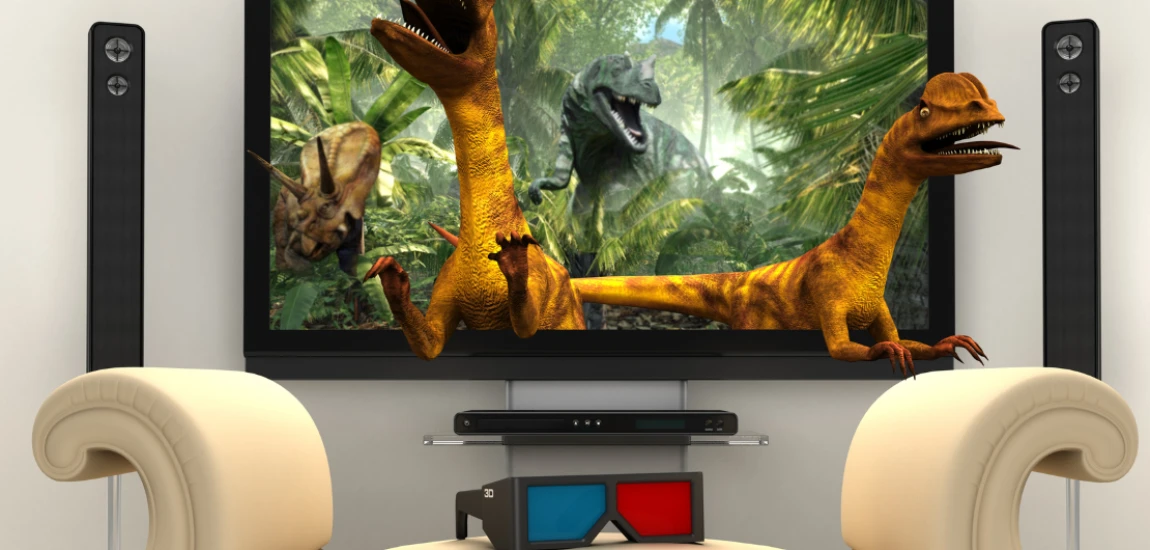
For decades, visuals have dominated conversations around innovation in entertainment. From ultra-realistic graphics in video games to CGI-driven cinematic universes, most technological advancements have centered on what audiences see. But in recent years, an equally powerful revolution has begun to reshape storytelling: the rise of 3D audio. Unlike traditional stereo sound, which delivers audio from left and right channels, 3D audio creates a fully spatial sound environment—allowing listeners to perceive sound in three-dimensional space, just as they do in real life.
This technology has opened new doors for both game developers and filmmakers. In gaming, 3D audio enhances realism by helping players pinpoint enemy movements, environmental cues, and narrative moments with precision. In film, directors and sound designers use 3D audio to build emotional tension, enrich atmospheres, and guide viewers’ attention. From VR worlds to cinematic blockbusters, spatial audio is rapidly becoming the new standard for high-quality immersive entertainment.
The following sections dive deep into how 3D audio works, why audiences crave it, and how this technology is revolutionizing the creative and emotional power of modern storytelling.
Understanding 3D Audio: What Makes It Different from Traditional Sound?

The Science Behind Spatial Sound
3D audio, also known as spatial audio, recreates how humans naturally hear sound in the real world. Using advanced algorithms and sound modeling, 3D audio systems simulate depth, distance, height, and direction. This creates a lifelike sonic environment where audio seems to come from above, behind, or beside the listener—not just from left and right. Technologies like binaural audio and ambisonics make this realism possible by capturing or generating sound in 360 degrees.
Binaural Recording and Head-Related Transfer Functions
A major part of 3D audio innovation comes from binaural recording techniques, which use microphones placed inside artificial ears to mimic human hearing. These recordings incorporate Head-Related Transfer Functions (HRTFs) that our brains use to identify direction and distance. When played through headphones, binaural audio is incredibly immersive, making it feel like sounds are physically present around the listener.
How 3D Audio Differs from Surround Sound
Surround sound systems like 5.1 or 7.1 offer directional audio but are limited by speaker locations. 3D audio goes beyond this, offering unrestricted spatial detail that adapts to head movements and device orientation. Whether using headphones, VR headsets, or advanced speakers, listeners experience sound that feels natural and dynamic. This difference is what makes 3D audio so transformative for gaming and film.
The Impact of 3D Audio on Modern Gaming

Enhancing Gameplay Realism
The gaming industry has embraced 3D audio faster than almost any other sector. With spatial audio, players can hear footsteps approaching from behind, identify the direction of distant gunfire, or sense movement above them. This level of realism deepens immersion and significantly enhances gameplay, especially in genres like first-person shooters, horror games, and open-world adventures.
Improving Player Performance and Strategy
3D audio doesn’t just improve immersion—it boosts performance. Competitive gamers rely on precise audio cues for decision-making. Spatial audio systems help players detect threats more accurately, strategize faster, and respond with greater precision. Because of this, developers now design entire game mechanics around spatial sound, making it a crucial part of skill-based gameplay.
Elevating Emotional and Narrative Impact
Narrative-driven games also benefit from 3D audio. Emotional moments become more impactful when audiences hear subtle sounds like whispers, wind shifts, or environmental ambience placed accurately in 3D space. Storytelling feels more intimate and cinematic, drawing players deeper into the narrative world. Games like The Last of Us Part II, Hellblade: Senua’s Sacrifice, and Resident Evil Village demonstrate how 3D audio elevates emotional tension.
How 3D Audio Transforms Film and Cinematic Storytelling

Creating Atmosphere Through Sound
In film, atmosphere is everything. 3D audio allows sound designers to craft immersive environments that wrap around the audience. Whether it’s a bustling city street, a haunting forest, or an outer-space battle, 3D audio enhances the realism and emotional tone of each scene. It pulls viewers into the setting, making them feel physically present within the story.
Guiding Viewer Attention and Enhancing Tension
Sound often serves as an invisible guide in filmmaking, and 3D audio strengthens this role. Spatial cues help direct attention to important visual details or upcoming events. For example, the sound of a creature creeping from behind can build suspense before a jump scare. Silence layered with faint directional audio can intensify emotional moments or foreshadow narrative twists.
Blurring the Line Between Film and Interactive Media
As streaming platforms and VR films incorporate 3D audio, the boundary between passive and interactive entertainment becomes increasingly blurred. Modern films are designed with soundscapes that adjust dynamically, mimicking interactive experiences. This shift enhances viewer engagement and encourages directors to rethink traditional sound design approaches.
The Role of 3D Audio in Virtual Reality and Augmented Reality

Essential for Immersion and Presence
In VR and AR environments, audio is just as important as visuals. Without convincing spatial sound, digital worlds feel flat and artificial. 3D audio creates a sense of presence—making the brain believe the virtual world is real. This is crucial for VR gaming, training simulations, virtual concerts, and immersive storytelling.
Syncing Sound with Head and Body Movements
Spatial audio in VR adapts to the user's movements. When a listener turns their head, sounds shift accordingly, maintaining realistic acoustic orientation. This responsiveness is essential for believable interaction and helps reduce motion sickness by aligning audio cues with visual motion.
Expanding Creative Possibilities in Mixed Reality
AR devices use 3D audio to blend digital elements with physical surroundings. This allows creators to overlay virtual objects that sound like they exist in the real world. From educational apps to holographic performances, 3D audio expands what mixed reality experiences can achieve.


Kate McCulley, the voice behind "Adventurous Kate," provides travel advice tailored for women. Her blog encourages safe and adventurous travel for female readers.
Kate McCulley

Prev Post

Next Post