
The Evolution of Music Genres in the Digital Age
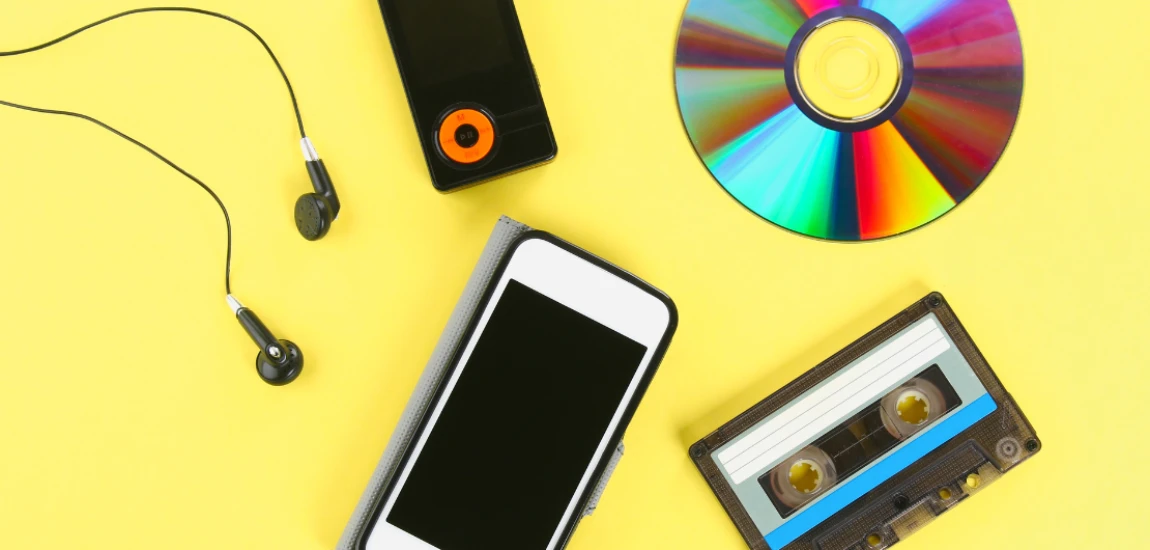
The rise of the internet didn’t just change distribution—it revolutionized creativity. Before streaming and social media, genres were neatly categorized: rock, pop, hip-hop, jazz, country. Each had its own audience, identity, and community. But once music went digital, the boundaries began to fade.
Digital technology democratized production and distribution. Anyone with a laptop could produce beats, sample sounds, or remix global hits. Platforms like SoundCloud, YouTube, and TikTok became incubators for new sounds, enabling underground artists to go viral overnight. This shift gave birth to microgenres—vaporwave, hyperpop, bedroom pop, lo-fi hip hop—that might never have survived in a traditional music industry ecosystem.
The digital age didn’t just reshape music—it changed our listening behavior. Algorithms replaced radio DJs, and playlists replaced albums. The evolution of music genres in the digital age is really a story of cultural fusion, technological innovation, and collective creativity on a global scale.
The Democratization of Music Creation

Home Studios and Accessibility
Thanks to affordable software like Ableton Live, Logic Pro, and FL Studio, artists no longer need million-dollar studios. Bedroom producers can record, mix, and master professional-grade tracks from their homes. This accessibility allows for more experimentation and genre-blending than ever before.
Social Media as a Launchpad
Platforms like TikTok and Instagram have redefined music discovery. A 15-second soundbite can propel an unknown artist to stardom. Viral trends blur the lines between genres—songs mix trap beats with folk melodies or R&B vocals with EDM drops. The internet has become the new A&R, scouting talent not by genre, but by shareability.
Independent Labels and Direct-to-Fan Models
The rise of Bandcamp, Patreon, and Substack allows artists to bypass traditional labels, creating niche followings around distinct sounds. These communities sustain microgenres and reward authenticity over mainstream appeal, fueling diversity within digital music culture.
Streaming Algorithms and the Death of Genre Boundaries

Playlists Over Albums
Streaming platforms like Spotify, Apple Music, and YouTube Music have replaced genre-based curation with mood and activity-based playlists—“Chill Vibes,” “Workout Beats,” “Sad Girl Starter Pack.” This categorization erodes strict genre lines, emphasizing emotion and lifestyle instead of musical taxonomy.
Algorithmic Discovery
Algorithms use data from your listening habits to recommend similar tracks. Over time, this personalization creates hybrid music tastes. You might discover an indie electronic artist through a hip-hop playlist, leading to a cultural crossover that defines the modern listener experience.
Cross-Genre Collaboration
The result is an explosion of genre fusion. Think Lil Nas X’s country-trap, Billie Eilish’s dark pop infused with minimal electronic beats, or Bad Bunny’s reggaeton-meets-R&B sound. The algorithm rewards versatility—artists who adapt thrive, while rigid genre purists fade.
Globalization and the Rise of Hybrid Sounds

Cultural Exchange Through Streaming
Streaming services have made global sounds instantly accessible. A listener in London can stream K-pop, Afrobeat, or Latin trap with the same ease as local hits. This accessibility drives cross-pollination of genres across borders, fostering a shared musical language.
The Afrobeat and K-pop Phenomena
Global genres like Afrobeat and K-pop have exploded beyond their local roots, reshaping pop music worldwide. Collaborations between artists like BTS, Burna Boy, and Dua Lipa show how hybrid genres can dominate global charts, blending languages, rhythms, and aesthetics.
Localized Genres Going Global
Even niche regional sounds—Brazilian funk, Punjabi pop, Turkish rap—are gaining traction through digital virality. The internet has effectively dismantled geographical barriers, making every genre potentially global with the right beat and timing.
Artificial Intelligence and the Future of Music Creation

AI as a Creative Partner
AI tools like Suno, AIVA, and Amper Music are generating melodies, lyrics, and beats with astonishing sophistication. Artists use AI to assist composition, remix existing tracks, or simulate human voices. This raises philosophical questions about authorship and creativity in the digital era.
Data-Driven Songwriting
Record labels now analyze streaming data to identify which chord progressions, tempos, or lyrical themes perform best. This leads to a form of algorithmic songwriting, where emotional resonance is engineered through data rather than intuition.
The Ethics of AI-Generated Music
While AI expands creative possibilities, it also introduces ethical dilemmas—copyright issues, deepfake vocals, and the devaluation of human artistry. As AI-generated tracks flood platforms, listeners and regulators alike are grappling with what defines authentic music in an algorithmic world.
The Listener’s Evolution: From Fans to Co-Creators

Participatory Culture
Today’s listeners are not passive consumers—they’re co-creators. Through platforms like TikTok, fans remix songs, create dance trends, and influence which tracks go viral. A single meme can resurrect an old hit or redefine a genre overnight.
Fan Communities and Digital Identity
Online fandoms create identity around music genres and artists. Hashtags, Discord servers, and Reddit threads cultivate collective belonging. The way we align ourselves with certain genres has evolved into a form of digital self-expression.
Interactive Music Experiences
Virtual concerts, metaverse performances, and interactive sound installations allow fans to engage with music dynamically. The line between audience and artist continues to blur, reinforcing the idea that genre and identity are co-created phenomena in digital culture.


Known as "Nomadic Matt," Matthew Kepnes offers practical travel advice with a focus on budget backpacking. His blog aims to help people travel cheaper and longer.
Matthew Kepnes
Prev Post

Next Post