
The Decline of Movie Theatres: Nostalgia or a New Era?
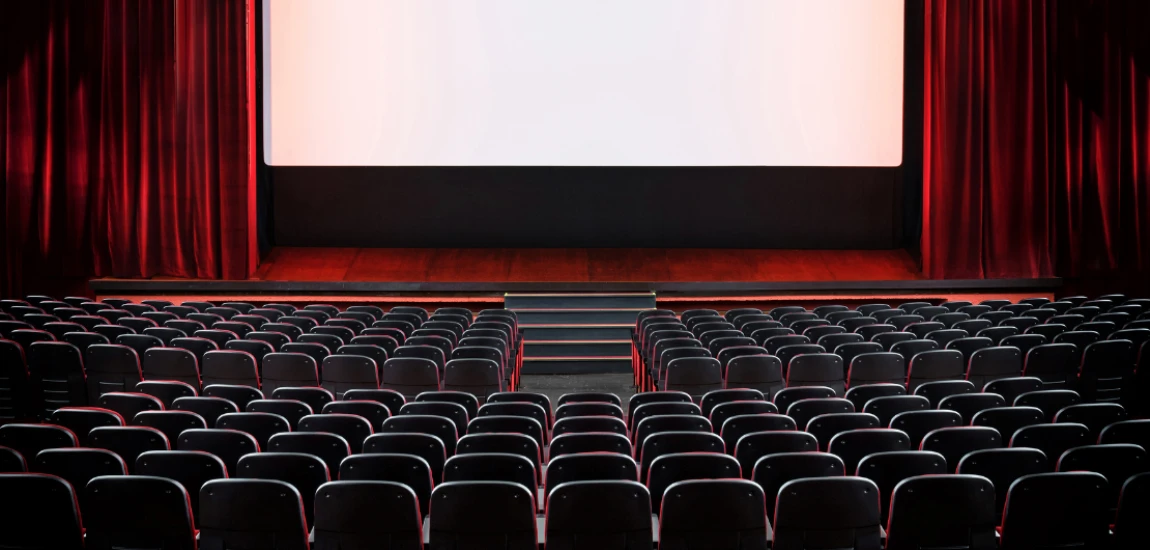
The Theatre as a Cultural Institution
For much of the 20th century, movie theatres were the beating heart of cultural life. They were where communities gathered to witness cinematic magic, where premieres felt like holidays, and where generations fell in love with the silver screen. The darkened auditorium, the flicker of the projector, and the collective gasp of the audience created a unique form of shared storytelling. This communal experience made theatres more than just venues—they were symbols of escapism and imagination.
Why Nostalgia Still Matters
Today, nostalgia drives much of our attachment to theatres. People long for the sensory experience: the scent of popcorn, the velvet seats, the immersive sound. These details form emotional imprints that no streaming service can fully replicate. For many, theatres represent childhood memories, first dates, or family traditions. This emotional connection gives them a romantic power even as attendance wanes.
Cinematic Rituals and Shared Emotion
Watching a film in a theatre is a collective ritual—a rare moment when people from different walks of life experience emotion together. Whether it’s laughter during a comedy or the silence after a powerful ending, that shared human reaction defines the essence of cinema. As digital viewing fragments audiences, this sense of togetherness becomes something we look back on with increasing affection.
Streaming Services and the Digital Revolution

The Rise of At-Home Entertainment
The streaming revolution, led by platforms like Netflix, Disney+, and Amazon Prime, has fundamentally altered how audiences consume media. With instant access to thousands of films and shows, the convenience of home viewing has replaced the ritual of going out to the cinema. Viewers can now watch blockbuster releases from their couches, with no queues, ticket prices, or showtimes to worry about.
How Technology Redefined Viewing Habits
Advances in technology—4K TVs, surround sound systems, and smart projectors—have made the home cinema experience increasingly competitive. People can replicate theatre-level immersion at home, with full control over what they watch and when. Binge-watching culture, once unthinkable, has become the new normal, reshaping storytelling structures and audience attention spans.
Studios’ Shift Toward Streaming-First Models
Major studios have adapted their distribution strategies to meet this shift. Simultaneous streaming and theatrical releases—pioneered during the pandemic—proved that audiences are willing to pay for convenience. While this model increases accessibility, it undermines traditional theatre economics. Theatres, once gatekeepers of cinematic premieres, now compete directly with the comfort of home viewing, forcing them to reinvent their purpose.
The Pandemic and Its Aftershocks on Theatres

Cinematic Shutdowns and Industry Turmoil
The COVID-19 pandemic was a turning point for theatres worldwide. Lockdowns forced cinemas to close, accelerating the digital shift that was already underway. Months of closures meant lost revenue, delayed film releases, and a devastating blow to small independent cinemas. Even as restrictions lifted, audience numbers failed to rebound to pre-2020 levels.
Audience Anxiety and Changing Priorities
Health concerns and shifting lifestyles changed how people view public spaces. Many realized they could enjoy films without leaving home, and returning to packed theatres felt less appealing. This period rewired audience expectations—comfort, safety, and control became paramount. Theatres, long symbols of escapism, now faced an identity crisis in a post-pandemic world.
Studios Rethinking Distribution
The pandemic blurred the boundaries between streaming and theatrical releases. Films like Wonder Woman 1984 and Black Widow debuted online and in theatres simultaneously, signaling a permanent change. Studios now weigh the benefits of digital accessibility against box office returns. While some blockbusters still thrive in theatres, many mid-budget films now skip cinemas entirely, finding larger audiences online.
The Reinvention of the Theatre Experience

Luxury Cinemas and Experiential Viewing
To survive, many theatres are reinventing themselves as luxury destinations. Reclining leather seats, gourmet menus, and personalized service are becoming the norm. The focus has shifted from mass entertainment to premium experience—something home streaming cannot duplicate. This evolution positions theatres as event spaces rather than everyday venues.
Niche Programming and Independent Cinema
Independent theatres are curating specialized screenings, film festivals, and community events to attract loyal audiences. By showcasing indie films, cult classics, and director retrospectives, these cinemas differentiate themselves from the mainstream multiplex model. This personalized approach taps into the emotional and cultural value of moviegoing, rather than competing on convenience.
Technology as a Revival Tool
Ironically, technology—the same force that disrupted theatres—may also save them. Innovations like IMAX, 4DX, and laser projection offer experiences that home screens cannot match. Interactive and immersive technologies turn film viewing into a sensory event. Theatres that embrace these innovations are carving a future where spectacle, not convenience, drives attendance.
The Social and Cultural Significance of Movie Theatres

Cinemas as Shared Cultural Spaces
Movie theatres have always been more than places to watch films—they’re cultural landmarks that foster community identity. From grand art deco palaces to neighborhood independents, theatres preserve local history and collective memory. They are public spaces where strangers laugh, cry, and cheer together—a rare form of social unity in an increasingly digital world.
The Role of Theatres in Film Culture
Film festivals, premieres, and Q&A sessions depend on theatres to sustain artistic and cultural dialogue. These spaces encourage appreciation of film as an art form, not just entertainment. For aspiring filmmakers, theatres remain symbols of achievement—a tangible connection between creator and audience that streaming metrics can’t replicate.
Generational Shifts in Perception
Younger audiences, raised on YouTube and streaming, may view theatres as outdated. Yet, this very detachment could spark a revival of interest. For Gen Z, moviegoing can become a retro, almost nostalgic activity—akin to vinyl records or analog photography. Theatres might find new life by leaning into their vintage charm and positioning themselves as nostalgic, social experiences rather than default entertainment choices.
A New Era for Cinema: Adaptation, Hybrid Models, and Hope

The Hybrid Distribution Model
The future of film may lie in balance. Hybrid models—where films release both in theatres and online—are redefining accessibility. This approach allows studios to reach global audiences while preserving the prestige of theatrical premieres. Theatres, in turn, can focus on event-driven experiences, fostering exclusivity around select releases.
Community Engagement and Local Revival
Theatres that survive the digital disruption often do so by re-engaging with their communities. Hosting live events, themed screenings, or collaborations with local artists turns the cinema into a hub for creativity. By reconnecting with their neighborhoods, theatres can reclaim their cultural relevance beyond blockbuster economics.
Cinema’s Enduring Magic
Despite its challenges, cinema endures because it taps into something deeply human: the desire to gather, feel, and dream together. Theatres may evolve, shrink, or specialize—but they won’t disappear. Their survival depends on adaptability, innovation, and our collective yearning for the shared heartbeat of a story told on the big screen. In the end, the decline of movie theatres isn’t just an ending—it’s a transformation, one that promises to reshape the art and business of storytelling for generations to come.


Shivya Nath authors "The Shooting Star," a blog that covers responsible and off-the-beaten-path travel. She writes about sustainable tourism and community-based experiences.
Shivya Nath

Prev Post

Next Post