
Synthetic Celebrities: The Business of AI-Generated Influencers and Actors
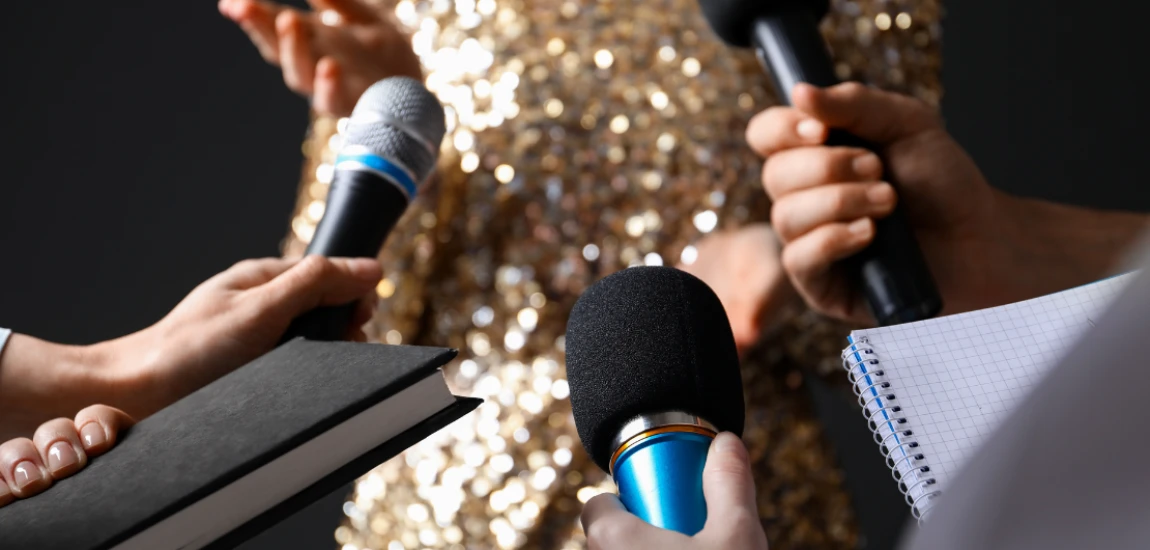
The evolution of digital fame
In the last decade, the concept of celebrity has expanded beyond human boundaries. What once required charisma, looks, and luck now requires code, algorithms, and design. AI-generated influencers like Lil Miquela and Shudu Gram have blurred the line between digital art and human presence, gathering millions of followers who interact with them daily—often forgetting they aren’t real.
The shift from human charisma to machine precision
Synthetic celebrities represent a new kind of fame—one engineered for engagement, consistency, and brand compatibility. They don’t age, don’t get canceled, and can embody any aesthetic or personality a marketing strategy demands.
A new era of identity
This rise of digital personas forces us to rethink authenticity, creativity, and even emotional attachment. As synthetic celebrities gain agency, the question isn’t just “Can machines be famous?” but “What does fame mean in a world where personalities can be programmed?”
The Rise of AI-Generated Influencers

How it all began
AI-generated influencers emerged at the intersection of digital art, marketing, and machine learning. Companies began using CGI models to promote fashion and lifestyle products without the unpredictability of human influencers.
Early pioneers
Figures like Lil Miquela, created by the startup Brud, paved the way by combining storytelling, social issues, and brand partnerships. She became a marketing phenomenon, representing Prada and appearing in virtual concerts.
The viral appeal
AI influencers thrive on intrigue. Audiences engage with them partly because they’re fascinated by the illusion—“Can an algorithm have a personality?” This curiosity fuels their engagement rates, often outperforming real influencers in digital campaigns.
The Business Behind Synthetic Stardom

Why brands love digital personalities
AI influencers are predictable, affordable in the long run, and can work around the clock. They don’t demand contracts, travel, or privacy—only server time and creative direction.
Monetization models
Brands collaborate with AI-generated personalities for sponsored posts, product launches, and virtual campaigns. Some are even licensed out like intellectual property, with companies earning royalties from appearances, merchandise, or NFT drops.
Data-driven fame
Behind every AI influencer lies a data analytics engine measuring engagement, tone, and audience demographics. This precision makes synthetic celebrities ideal for micro-targeted marketing, reducing the uncertainty that comes with human influencers.
Virtual Actors in Film and Advertising

The next phase of entertainment
AI-generated actors are entering mainstream film production. Studios can now create lifelike avatars that perform in multiple roles without scheduling conflicts or creative disagreements.
Deepfakes and digital doubles
While the film industry has long used CGI, AI now enables hyper-realistic performances, reviving deceased actors or de-aging stars. This sparks both creative and ethical debates about artistic integrity and consent.
AI in commercials and branded storytelling
Virtual actors can adapt their tone and gestures to match a brand’s identity, offering infinite creative flexibility. From cosmetics to sportswear, companies are producing fully AI-driven ad campaigns at a fraction of the traditional cost.
Economics of Synthetic Celebrities

Cost vs. control
While creating a synthetic celebrity requires upfront investment, maintaining them is significantly cheaper over time. They don’t need breaks, salaries, or managers.
The scalability advantage
A single AI model can be replicated and localized across regions—an influencer speaking Japanese in Tokyo and Spanish in Mexico, all powered by the same core code. This scalability offers unprecedented global reach.
Investor interest and market projections
According to industry reports, the virtual influencer market is projected to surpass $20 billion by 2030, driven by advancements in generative AI, 3D modeling, and social media integration.
Ethical Concerns and Digital Authenticity

The authenticity dilemma
Audiences are drawn to perceived authenticity. When that authenticity is manufactured, it raises questions: Are we connecting with a person or a brand-engineered illusion?
Consent and representation
Who owns a digital face or identity? If an AI influencer resembles a real person, does that constitute identity theft? These legal gray zones are becoming urgent as synthetic models proliferate.
Emotional manipulation
AI influencers can simulate empathy, charm, and vulnerability—emotions traditionally tied to human experience. When algorithms learn to exploit emotional engagement, digital parasocial relationships become even more complex.
Cultural Shifts: Redefining Fame and Influence

The influencer-industrial complex
As human influencers face burnout, scrutiny, and cancel culture, synthetic celebrities offer brands a controlled alternative. This shift marks a deeper cultural movement away from individuality toward algorithmic perfection.
The new definition of celebrity
Fame used to be about uniqueness; now it’s about scalability. AI celebrities can exist across multiple realities—social media, gaming platforms, and even the metaverse—expanding their influence beyond what’s humanly possible.
The human-AI hybrid frontier
Some creators now collaborate with AI versions of themselves, blurring lines between the organic and the synthetic. These hybrids may soon dominate entertainment, offering “enhanced” forms of celebrity personas.
The Technology Powering Synthetic Celebrities

AI modeling and deep learning
Generative adversarial networks (GANs) and large language models power most synthetic celebrities. They enable realistic visual rendering, speech generation, and emotional mimicry.
Voice synthesis and emotional realism
Advances in voice cloning and emotion-aware AI let digital characters speak with nuance—adapting tone based on user interaction, mood, or narrative context.
Integration with virtual environments
Synthetic celebrities thrive in immersive spaces like the metaverse, AR, and VR ecosystems, where users can interact with them in real-time, transforming passive viewing into participatory fandom.
How AI Influencers Are Changing Marketing Strategies

Hyper-personalized engagement
AI influencers can tailor content to each follower, adjusting messaging based on behavior and preferences. This leads to stronger brand loyalty and higher conversion rates.
Cross-platform consistency
Unlike human influencers, AI-generated personalities maintain consistent messaging across multiple platforms, from Instagram to TikTok to virtual concerts, ensuring unified brand representation.
Measurable impact and predictive analytics
Machine learning algorithms allow brands to track every interaction, predicting trends and optimizing campaigns in real time. The result? Marketing strategies that are both data-driven and emotionally intelligent.
The Future of Fame: Where Human and Synthetic Collide

The hybrid celebrity era
The next decade will likely see a fusion of human creativity and AI enhancement. Musicians may perform alongside virtual collaborators; influencers may manage AI clones that engage fans 24/7.
Regulation and transparency
Governments and media watchdogs are pushing for clearer labeling of synthetic content. Transparency will be key to maintaining audience trust in a world where AI-generated personas dominate feeds.
A new creative renaissance
Far from replacing humans, AI-generated celebrities may open doors to new kinds of storytelling—interactive, collaborative, and endlessly adaptive. The question isn’t whether AI will define fame, but how we’ll redefine it together.


Shivya Nath authors "The Shooting Star," a blog that covers responsible and off-the-beaten-path travel. She writes about sustainable tourism and community-based experiences.
Shivya Nath
Prev Post
Next Post