
The Biofeedback Stage: Theatre That Reacts to Your Pulse
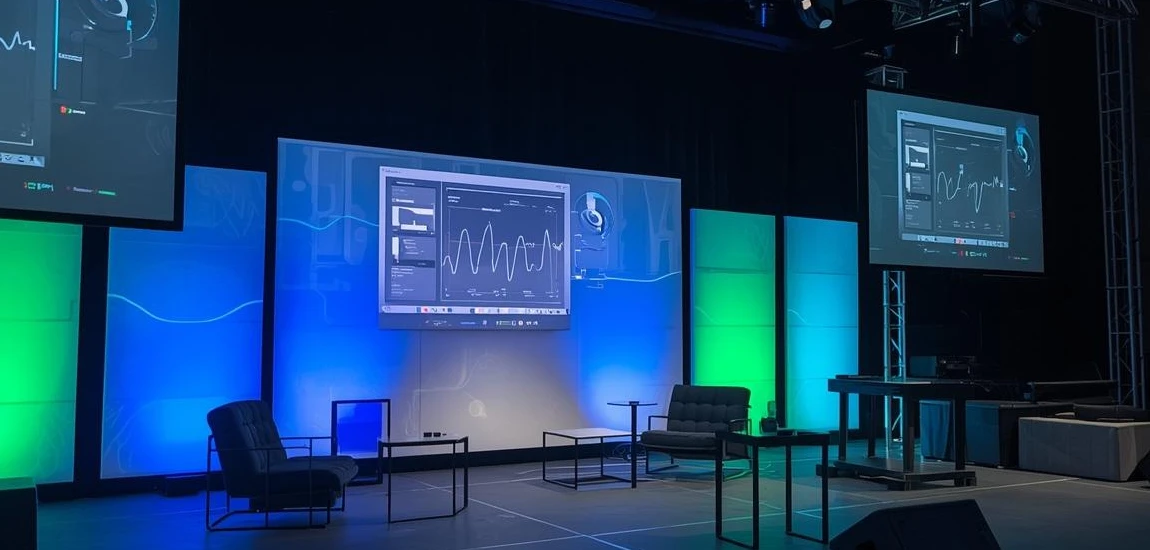
The Human Body as a Performance Medium
Biofeedback theatre represents one of the most exciting intersections of art, science, and emotion. In this form of performance, the human body doesn’t just experience the story—it becomes an active part of it. Through wearable sensors and biometric data, such as heart rate, breath patterns, and galvanic skin response, the performance environment reacts dynamically to the audience’s or performer’s physiological state. The result? A live, ever-changing artistic experience that’s never performed the same way twice.
From Data Streams to Emotional Expression
In traditional theatre, emotion is expressed through voice, movement, and dialogue. In biofeedback theatre, it’s also expressed through data. Imagine an audience collectively holding their breath as a scene unfolds—and the stage lighting dims, mirroring the suspense encoded in their heartbeats. This isn’t science fiction. Productions at the intersection of performance and neuroscience have already experimented with EEG (brainwave) monitoring and heart-rate tracking to alter music tempo, visual projections, or actor pacing in real time.
The New Frontier of Immersive Storytelling
As the line between performer and audience blurs, biofeedback theatre pushes storytelling into an entirely new realm. No longer is the emotional journey one-way. Instead, your biological responses become a kind of co-author, influencing the rhythm, tone, and even outcome of the story. This is immersive theatre in its most literal sense—emotionally, physically, and technologically.
The Technology Behind Biofeedback Theatre

The Role of Wearable Sensors and Biometric Devices
At the heart of biofeedback theatre lies wearable technology—sensors that measure everything from pulse and temperature to electrical conductivity of the skin. Devices like EEG headbands, smart rings, and heart-rate monitors capture real-time data from both performers and audience members. These signals are then processed through software that translates them into audiovisual responses—lighting shifts, sound modulations, or digital projections that sync with collective emotion.
Data Translation: From Numbers to Narrative
But how does a stream of numbers become a story? Here’s where algorithmic creativity steps in. Machine learning models interpret biometric data and convert it into performative cues. For example, a rising heart rate could trigger intense red lighting, while collective calm might slow down projections or lower sound frequencies. This data-driven dramaturgy doesn’t replace human direction—it expands it, allowing directors to craft responsive systems that evolve throughout each performance.
Real-Time Feedback Loops in Action
In some performances, actors themselves wear biofeedback sensors, allowing their own nervous systems to direct the pace and intensity of their acting. This creates a feedback loop where emotion drives performance, and performance in turn reshapes emotion. It’s a recursive cycle—part performance, part physiological symphony—that challenges the notion of a static script or fixed stage.
Audience as Co-Creators: Redefining Participation

From Passive Spectators to Active Participants
Biofeedback theatre transforms audiences from mere observers into biological collaborators. Every gasp, sigh, and pulse becomes a piece of live data influencing the stage. This deep participatory model not only heightens emotional engagement but also redefines what it means to “attend” a performance. The audience’s role shifts from passive consumption to active co-creation.
Collective Emotion as a Design Element
Unlike interactive theatre, where audiences make verbal or physical choices, biofeedback theatre captures involuntary reactions. When a group collectively experiences tension or joy, the system detects synchronized biometric patterns and responds accordingly. This collective emotion becomes a new kind of choreography, orchestrating the performance through unseen human connections.
The Ethical and Emotional Complexity
However, the idea of theatre reading your pulse raises ethical questions. Who owns the data? How is it stored, used, or interpreted? Emotional transparency in a performance space can be both thrilling and vulnerable. Artists and technologists are exploring frameworks to ensure privacy, consent, and respect for participants while maintaining the magic of responsive art.
The Performer's Perspective: Acting in a Living System

Embodied Performance Meets Data Sensitivity
For actors, performing in a biofeedback environment requires not just emotional presence but also physiological awareness. Every breath or heartbeat could alter the stage around them. This sensitivity to one’s body and the system’s reaction adds a layer of complexity to traditional acting methods. Performers become both storytellers and data nodes in a responsive ecosystem.
Training for Technological Intimacy
New forms of actor training are emerging that emphasize self-regulation, mindfulness, and physiological control. Actors learn to manipulate their biometric outputs—slowing their heart rate or controlling breath—to influence how the stage reacts. This redefines performance craft, merging theatre with techniques from yoga, biohacking, and neuroaesthetics.
Collaborating with the Machine
The relationship between performer and machine in biofeedback theatre is one of negotiation rather than control. The technology isn’t a tool to dominate but a partner to converse with. The stage becomes an intelligent entity—responsive, unpredictable, and alive. For some performers, this offers liberation from fixed choreography; for others, it introduces a thrilling uncertainty that keeps each show unique.
Pioneers and Productions: The Emerging Landscape

Early Experiments in Bioresponsive Art
The concept of integrating human physiology into performance isn’t new—it has roots in experimental art and dance from the 1960s. But today’s biofeedback theatre is powered by exponentially more sophisticated tools. Artists like Natasha Tsakos, the company Blast Theory, and collectives such as Sensorium and Studio XO have integrated biometric sensing into performances that blend theatre, digital art, and neuroscience.
Theatre Meets Science: Cross-Disciplinary Collaborations
Biofeedback theatre thrives at the crossroads of performance studies, computer science, and psychology. Collaborations between research labs and art institutions are key to pushing the form forward. For instance, projects combining EEG data with VR environments have explored how emotional synchronization between audience and performer can be visualized in real time—creating stunning visualizations of collective empathy.
Global Expansion and Innovation
From immersive installations in London to experimental stages in Tokyo and Toronto, biofeedback theatre is going global. Festivals dedicated to “neurotheatre” and “responsive performance” now showcase works where art, tech, and biology collide. As tools become more accessible, even small theatre companies are beginning to experiment with simple pulse sensors and responsive lighting systems, democratizing the field.
The Future of Biofeedback Theatre: Emotion, Ethics, and Empathy

Towards a Symbiotic Stage
As technology becomes more attuned to human emotion, theatre is evolving into a symbiotic experience—a space where human and machine co-create. Biofeedback systems may soon integrate AI emotion recognition, allowing performances to not only respond to physical data but also interpret facial expressions, tone, and micro-movements. The next frontier could be “empathic stages” that sense and reflect complex human emotions.
The Promise of Therapeutic Performance
Beyond art, biofeedback theatre holds promise for therapy and wellness. Imagine a performance that helps audiences regulate anxiety by mirroring calm states or using guided breathing through lighting changes. This fusion of narrative and neuroscience could pioneer new forms of collective healing, merging art’s cathartic potential with scientific precision.
Balancing Innovation and Humanity
The challenge ahead lies in ensuring that as theatre becomes more data-driven, it doesn’t lose its human core. Technology should enhance, not eclipse, emotion. The true success of biofeedback theatre won’t be measured by its sensors or software—but by its ability to make audiences feel seen in the deepest, most biological sense.


Gilbert Ott, the man behind "God Save the Points," specializes in travel deals and luxury travel. He provides expert advice on utilizing rewards and finding travel discounts.
Gilbert Ott

Prev Post

Next Post