
The Return of Authenticity in Modern Media
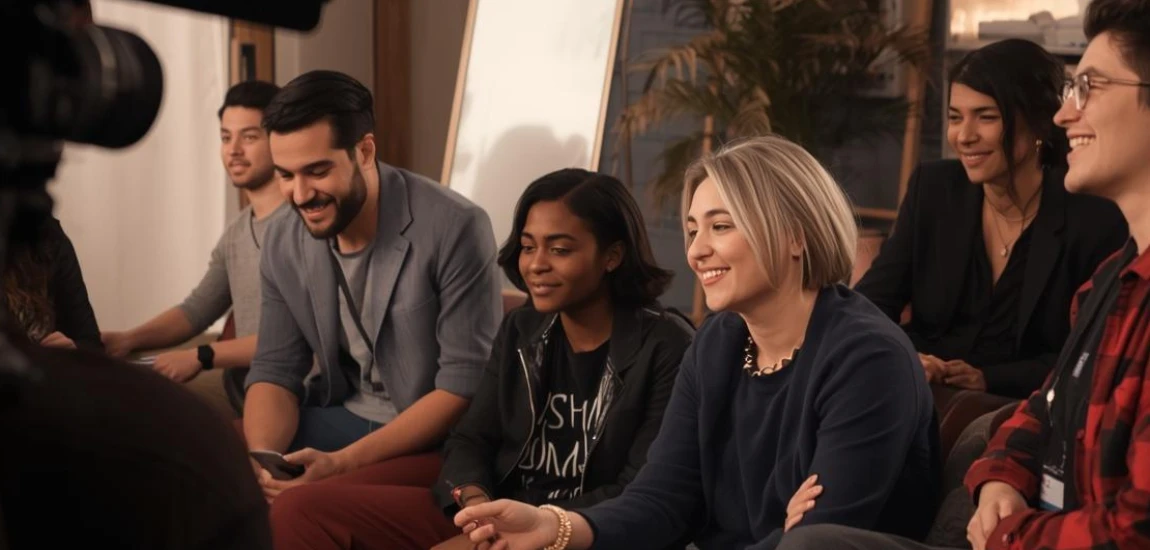
The Fatigue of Perfection
For years, social media platforms thrived on polished images and idealized lifestyles. Influencers built brands around flawless aesthetics and unattainable ideals. But as the digital landscape matured, audiences began to feel alienated. The endless stream of perfection led to authenticity fatigue — users no longer believed what they saw. They began seeking creators who showed vulnerability, imperfection, and truth. In essence, relatability replaced aspiration.
The Pandemic’s Role in Resetting Expectations
The global lockdowns of 2020 became a turning point for media authenticity. With everyone stuck at home, the glamorous façade of influencer culture began to crumble. Celebrities livestreamed from messy kitchens, news anchors broadcast from their living rooms, and audiences found comfort in imperfection. Suddenly, raw and unfiltered content didn’t just feel acceptable — it felt necessary. This democratization of content humanized creators and reminded audiences that real connection outweighs production value.
The Emotional Connection Factor
Authenticity builds trust, and trust builds loyalty. Today’s audiences can detect insincerity instantly. Emotional honesty, transparency, and imperfection drive engagement more effectively than traditional marketing techniques. When creators or brands share personal stories, struggles, or behind-the-scenes truths, they invite empathy — and empathy is the foundation of modern connection.
The Role of Social Media in Redefining “Real”

The Rise of Unfiltered Platforms
New social media platforms like BeReal, Threads, and even TikTok’s “day in the life” trend have redefined how authenticity looks online. These platforms encourage spontaneity and discourage over-editing. BeReal, for example, prompts users to post one photo a day without filters or retakes — a stark contrast to Instagram’s polished feed culture. This signals a broader movement toward raw storytelling, where users value imperfection as a mark of credibility.
TikTok and the Power of Everyday Storytelling
TikTok became a driving force behind the authenticity movement. The platform’s format favors quick, unpolished videos where personality trumps production. Whether it’s a creator sharing a mental health journey or a small business showing behind-the-scenes struggles, audiences respond to honesty over aesthetics. The viral success of “get ready with me” and “storytime” formats shows how authentic narratives generate emotional engagement and a sense of community.
The Backlash Against Over-Curation
While Instagram once rewarded filters and photo-perfect lives, its algorithmic shifts now prioritize authentic engagement over surface-level polish. The result is a visible cultural backlash against curated perfection. Influencers are increasingly sharing “photo dumps,” candid stories, and unedited images. Even major celebrities like Billie Eilish and Selena Gomez use vulnerability to connect deeply with fans. The new rule of digital storytelling? Be human first, influencer second.
The Evolution of Influencer Culture: From Branding to Belonging

The Fall of the “Highlight Reel” Influencer
The influencer era is undergoing a transformation. The early wave of influencers focused on aspirational lifestyles — luxury travel, designer fashion, and picture-perfect moments. However, this approach began to feel inauthentic and distant. Today’s successful influencers, often called micro- or nano-influencers, focus on connection rather than curation. They share their real struggles, financial realities, and personal growth journeys. Their audiences respond because they see reflections of themselves, not unreachable ideals.
The Rise of the Relatable Creator
The shift toward authenticity has created a new class of creators known for their everyday realness. These individuals don’t rely on cinematic production or high-end sponsorships. Instead, they cultivate trust through transparency. Whether it’s a parent sharing the chaos of family life, an artist revealing creative burnout, or a student discussing mental health — these stories resonate because they feel genuine. In the influencer economy, believability has become more valuable than beauty.
Brands Partnering with Authentic Voices
Even brands are adapting to this cultural shift. Traditional celebrity endorsements are being replaced with collaborations that prioritize values alignment over reach. Companies like Patagonia, Dove, and Airbnb have built campaigns rooted in authenticity — celebrating diversity, community, and real customer experiences. Authentic influencer partnerships drive long-term trust rather than one-off conversions, proving that the human touch in marketing still matters most.
Authenticity in Film, TV, and Storytelling

The Rise of Raw Storytelling
Film and television have followed the same trajectory as social media: away from perfection, toward realism. Audiences increasingly seek stories that feel emotionally honest and socially relevant. The success of shows like Euphoria, BoJack Horseman, and The Bear highlights a hunger for narratives that explore mental health, identity, and vulnerability. Raw, uncomfortable, and messy storytelling reflects the complexity of real life — something audiences find deeply validating.
Documentary-Style Filmmaking and Hybrid Realism
Modern filmmakers are blending documentary techniques with fiction to capture authenticity. Handheld cameras, natural lighting, and unscripted dialogue give a sense of intimacy. Streaming platforms like Netflix and HBO have embraced docu-series formats that blur the line between entertainment and real-life storytelling (Drive to Survive, The Last Dance). These productions tap into our collective curiosity about truth in entertainment, reinforcing the value of transparency.
The Power of Representation and Real Voices
Authenticity also manifests through diversity and inclusion. Audiences demand stories that reflect their lived experiences — not idealized stereotypes. The rise of independent filmmakers, creators of color, and LGBTQ+ storytellers has diversified mainstream media, enriching authenticity across genres. True representation isn’t a trend; it’s a redefinition of realism in media. Viewers want to see themselves not as token characters, but as fully human participants in the cultural conversation.
The Business of Being Real: Authenticity as a Brand Strategy

Why Authentic Brands Win Loyalty
Consumers no longer buy products; they buy values. In a market oversaturated with options, authenticity differentiates a brand from competitors. Companies that prioritize transparency — about sourcing, labor practices, or environmental impact — foster long-term trust. Brands like Ben & Jerry’s and Patagonia thrive because they speak honestly about their missions, not just their products. The modern consumer rewards integrity over image.
The Dangers of Performative Authenticity
However, not all authenticity is genuine. Brands that attempt to mimic “realness” without sincerity often face backlash. Performative authenticity — using emotional storytelling purely as a marketing tactic — can damage credibility. Audiences are adept at identifying when a brand’s message doesn’t align with its actions. True authenticity requires consistency: living your values beyond campaigns and slogans.
Transparency as a Competitive Edge
In the era of digital accountability, transparency is more than a virtue; it’s a necessity. With online reviews, social media call-outs, and global visibility, brands must operate openly. Companies that admit mistakes, share their decision-making processes, and engage honestly with customers gain reputational resilience. In a world that values authenticity, openness is the strongest defense against cynicism.


Gary Arndt operates "Everything Everywhere," a blog focusing on worldwide travel. An award-winning photographer, Gary shares stunning visuals alongside his travel tales.
Gary Arndt

Prev Post

Next Post