
Retro Revival: Nostalgia, Reboots, and Classic Entertainment
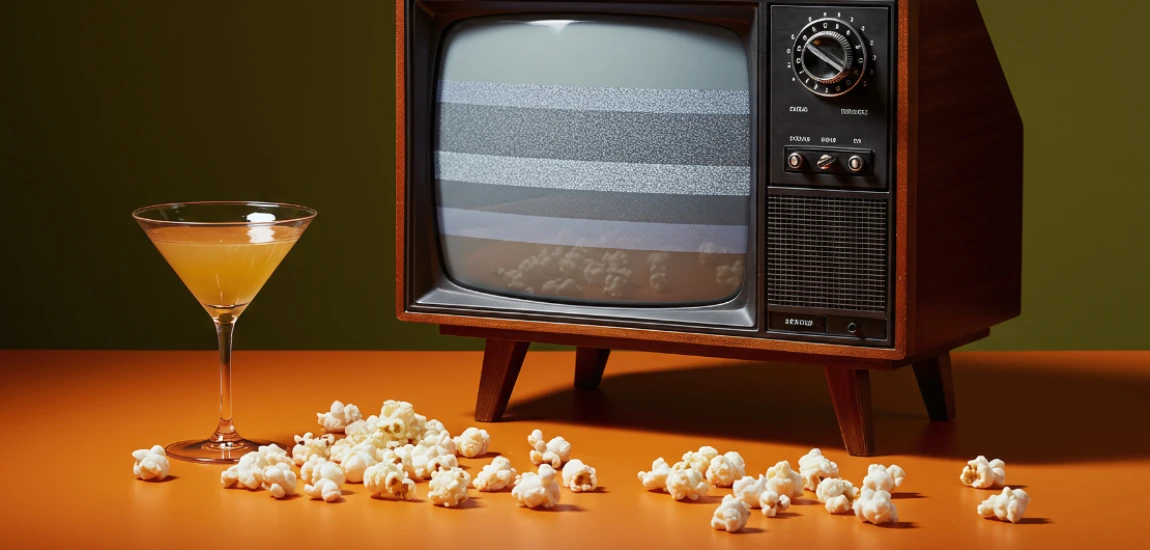
Nostalgia has emerged as a powerful force in contemporary entertainment. Audiences are drawn to the familiar, revisiting films, television shows, and franchises from their childhood or formative years. This emotional connection creates a unique form of engagement that streaming platforms, studios, and producers actively leverage. Retro revival is not only a marketing strategy but also a cultural phenomenon that bridges generations and reshapes popular media.
Reboots, remakes, and classic-themed content provide viewers with comfort and continuity while introducing timeless stories to new audiences. From reviving beloved TV shows to rebooting iconic film franchises, the entertainment industry taps into nostalgia to generate both revenue and social buzz. Understanding the mechanisms of retro revival reveals why some properties return successfully while others struggle to resonate.
This blog explores the world of retro revival, analyzing nostalgia, reboots, classic entertainment trends, and their impact on audiences, creators, and pop culture at large.
The Power of Nostalgia in Entertainment

Emotional Connection and Audience Loyalty
Nostalgia evokes strong emotional reactions by reminding viewers of their past experiences, childhood memories, and cultural touchstones. This emotional resonance fosters loyalty and engagement, making audiences more receptive to marketing campaigns and content releases.
Cultural and Generational Bridges
Nostalgia allows cross-generational storytelling. Parents share retro films or shows with children, creating communal experiences that reinforce cultural continuity. This bridging effect strengthens the societal relevance of classic entertainment.
Psychological Drivers
Nostalgia provides comfort during uncertain times, offering escapism and familiarity. Entertainment creators leverage these emotional triggers to maintain relevance and stimulate interest in reboots or retro-inspired content.
Film Reboots: Revisiting Classic Stories

Successful Franchise Revivals
Film reboots have become a staple of modern Hollywood. Classics like Jurassic Park, Ghostbusters, and Star Trek have found new life with updated effects, contemporary storytelling, and expanded universes. Success often depends on balancing homage to the original with fresh creative elements.
Challenges of Modernization
Reboots face scrutiny from original fans. Deviating too far from the source material risks alienating audiences, while excessive faithfulness may feel redundant. Careful adaptation is essential to capture both nostalgia and contemporary relevance.
Streaming and Retro Popularity
Streaming services amplify film reboots by making original content easily accessible. Platforms like Disney+ and Netflix reintroduce classics alongside reimagined versions, fostering renewed interest and multi-generational viewership.
Television Revivals and the Nostalgia Effect

Returning to Beloved Series
Television has embraced retro revival through show revivals and continuation series. Programs like Fuller House, Gilmore Girls: A Year in the Life, and The X-Files demonstrate how returning to familiar characters and narratives captures both old and new audiences.
Reboots Versus Reimaginings
TV revivals can take the form of direct continuations, spin-offs, or reimaginings. Direct revivals retain the original tone, while reimaginings update the story for modern contexts. Both approaches rely on a strong foundation of nostalgia.
Cultural and Social Relevance
Revived series often update social, cultural, or political themes to reflect contemporary issues. This balance between classic storytelling and modern relevance ensures longevity and broader audience appeal.
Retro Trends Beyond Screen Entertainment

Music and Pop Culture
Retro revival extends to music, fashion, and lifestyle. Artists sample vintage tracks, styles from previous decades resurface in fashion, and themed merchandise celebrates iconic eras. Nostalgia influences consumption habits and cultural trends beyond film and TV.
Merchandising and Collectibles
Collectibles, limited-edition releases, and retro merchandise capitalize on audience desire for tangible nostalgia. From vinyl records to action figures, these items reinforce emotional connections with beloved properties.
Interactive Experiences
Retro-inspired video games, themed events, and immersive experiences allow fans to actively participate in nostalgia. Engagement extends beyond passive viewing, strengthening community and brand loyalty.


Known as "Nomadic Matt," Matthew Kepnes offers practical travel advice with a focus on budget backpacking. His blog aims to help people travel cheaper and longer.
Matthew Kepnes

Prev Post

Next Post