
Nostalgia Reboots & Retro Pop Culture: From 90s/2000s TV to Vintage Aesthetic Revivals
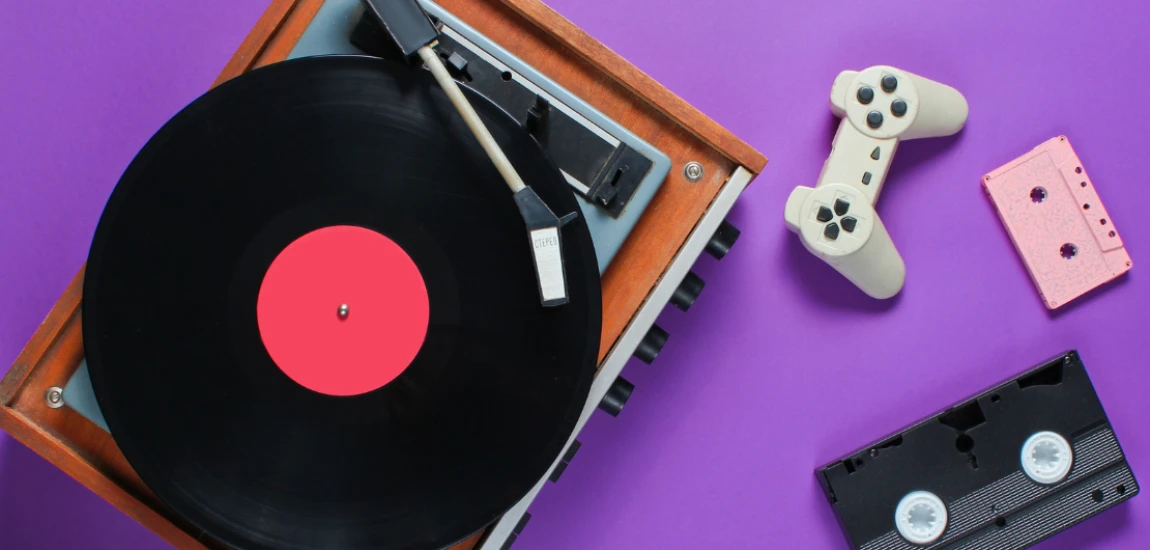
The last decade has seen a cultural shift where nostalgia reboots and retro pop culture dominate everything from TV and movies to music and fashion. Reboots of iconic 90s and 2000s shows, retro-inspired fashion lines, and vintage aesthetic revivals on social media highlight our collective yearning for the past. This isn’t just entertainment recycling old content—it’s a strategic cultural and marketing movement that taps into the emotional comfort of familiar eras while giving them a fresh, modern spin.
The fascination with nostalgia goes beyond simple memory. It provides emotional connection, community bonding, and cultural continuity in a rapidly changing digital world. Today’s audiences are rediscovering their childhood icons, while Gen Z embraces retro aesthetics they never lived through firsthand. The result is a powerful blending of eras, where the old becomes new again.
TV and Film Reboots: Why the 90s and 2000s Refuse to Fade

Reboots and revivals of 90s/2000s television and film have become a staple of modern entertainment.
Reviving old favorites for new audiences
From Friends reunions to Fuller House on Netflix and reimaginings like The Fresh Prince of Bel-Air reboot, audiences crave familiar stories. These projects succeed because they strike a balance between nostalgia for original fans and updated narratives for younger viewers.
Streaming platforms fueling reboots
Streaming services have amplified the demand for retro content. Platforms like Netflix, Hulu, and Disney+ thrive on recognizable titles with built-in audiences, ensuring instant engagement. Reboots also allow platforms to expand intellectual property libraries without the risk of completely new ideas failing.
The emotional value of reboots
Audiences facing digital fatigue and global uncertainty often turn to comforting content. Watching reboots of childhood classics provides a sense of stability, while simultaneously sparking intergenerational conversations where parents and children enjoy the same shows.
Retro Fashion and Y2K Aesthetic Revivals

Fashion is one of the most visible expressions of retro pop culture.
The Y2K revival trend
The early 2000s aesthetic—low-rise jeans, crop tops, butterfly clips, and metallic accessories—has returned with force. Gen Z drives much of this revival, adopting trends they’ve seen in archived magazines, TikTok aesthetics, and celebrity throwback looks.
Vintage thrift culture
Sustainability has merged with retro fashion through thrift shopping. Consumers are embracing secondhand clothing markets to recreate vintage looks while staying eco-conscious. Thrifting gives older fashion pieces new life, making retro aesthetics both trendy and sustainable.
Fashion as identity and nostalgia
Fashion acts as both a personal statement and cultural time machine. For millennials, wearing 90s-inspired outfits reignites memories of their youth, while for Gen Z, retro fashion is a way to experiment with identity. Brands like Tommy Hilfiger and Juicy Couture are capitalizing on this, reviving old collections for a modern audience.
Music Trends: The Return of Retro Sounds

Music has always been cyclical, and nostalgia is a driving force in today’s playlists.
Sampling and remix culture
Modern artists increasingly sample 80s, 90s, and 2000s hits, creating tracks that resonate across generations. Songs like Doja Cat’s Say So or Olivia Rodrigo’s good 4 u echo sounds from earlier decades, giving younger listeners a retro vibe with modern flair.
Vinyl and cassette comebacks
Physical music formats once considered obsolete are making a comeback. Vinyl records and even cassettes are seeing sales spikes as fans value the tangible connection to music history. This trend reflects both nostalgia and a desire for authenticity in the digital age.
Genre revivals and mashups
From disco-inspired beats dominating pop music to punk-rock influences resurfacing, the blending of retro genres with modern production has become a hallmark of current music trends. It proves how nostalgia fuels creativity and reinvention.
Social Media’s Role in Retro Pop Culture

Social platforms are essential to the resurgence of nostalgia and retro aesthetics.
TikTok as a nostalgia engine
TikTok has made throwback trends viral, from old TV show theme songs to fashion challenges recreating early 2000s outfits. Memes and nostalgic content spread quickly, fueling renewed interest in retro culture among younger generations.
Aesthetic-driven communities
Communities built around retro aesthetics—like vaporwave, cottagecore, and Y2K—flourish online. These digital subcultures create spaces where fans can share, remix, and celebrate the past in visually creative ways.
Influencers and celebrity throwbacks
Celebrities and influencers frequently embrace retro styling in their content, making nostalgia-driven looks aspirational. When icons like Bella Hadid or Billie Eilish wear 90s-inspired fashion, they signal a cultural return to retro authenticity.
Marketing Nostalgia: Why Brands Lean on the Past

Nostalgia is not only a cultural phenomenon—it’s also a powerful marketing strategy.
Emotional storytelling
Brands use nostalgia to build emotional connections with audiences. Campaigns featuring throwback jingles, logos, or references instantly trigger memories and feelings of comfort, increasing brand loyalty.
Product revivals and limited editions
From Nintendo re-releasing classic consoles to Coca-Cola reviving vintage packaging, brands understand that nostalgia sells. Limited edition retro-inspired products often drive demand and exclusivity.
Bridging generations through branding
By blending retro aesthetics with modern products, brands appeal to multiple demographics at once. Parents share nostalgic products with their kids, fostering shared cultural experiences that strengthen consumer ties.
The Future of Nostalgia in Pop Culture

While nostalgia is currently thriving, what does the future hold for reboots and retro revivals?
Cyclical nature of trends
History shows that fashion, music, and media trends often return every 20–30 years. This means nostalgia for the 2010s may soon dominate, while elements of the 80s and 90s remain staples of pop culture.
Balancing nostalgia with innovation
The challenge for creators and brands is repackaging nostalgia without stagnation. Over-reliance on reboots risks creative fatigue. Success lies in blending nostalgic elements with fresh innovation to appeal to modern audiences.
Nostalgia as cultural glue
In an era of constant change, nostalgia will continue to act as cultural glue, connecting generations and providing comfort. Whether through fashion, music, or digital storytelling, nostalgia ensures the past will always have a place in the future.


Gilbert Ott, the man behind "God Save the Points," specializes in travel deals and luxury travel. He provides expert advice on utilizing rewards and finding travel discounts.
Gilbert Ott

Prev Post
Next Post