
Creator Economy Goes Big: Content Creators to Media Brands
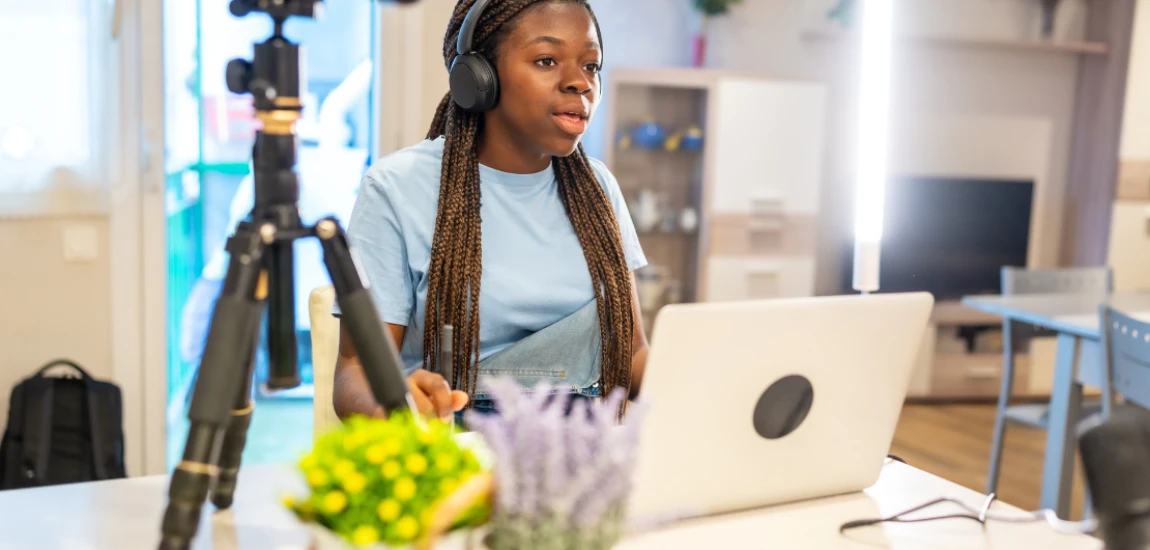
The digital landscape has shifted dramatically in the last decade. What began as a wave of hobbyist bloggers, YouTubers and influencers has evolved into a multi-billion-dollar creator economy. Creators who once depended solely on platforms like YouTube or Instagram for ad revenue now operate as entrepreneurs, marketers, and even CEOs of media brands. The phrase “creator economy goes big” reflects this expansion, as individuals turn personal content into professional empires.
The importance of this shift is not just financial—it’s cultural. Creators now have influence equal to or greater than traditional celebrities. Audiences trust them, brands want to partner with them, and platforms race to provide new tools to keep them engaged. The transformation raises questions: how are creators scaling into businesses, and what comes next?
From Influencers to Entrepreneurs

The creator economy’s evolution starts with creators realizing their influence could extend beyond likes and views. Today, the most successful creators view themselves as entrepreneurs building media businesses rather than just influencers.
Shaping personal brands into business ventures
Many creators have developed merchandise lines, subscription models, podcasts, or exclusive content platforms. For example, beauty creators launch skincare products, while gaming influencers run entire esports organizations. The leap from being “someone with a large following” to becoming a brand owner shows how much the creator economy has matured.
Diversifying income streams
Relying only on ad revenue is no longer sustainable. Successful creators invest in multiple income channels—brand sponsorships, crowdfunding platforms like Patreon, affiliate marketing, online courses, and even NFTs. This diversification ensures long-term stability in an ever-changing digital landscape.
The business mindset of creators
Unlike early content creators who treated their platforms as side gigs, today’s top creators act as business strategists. They hire teams, manage production pipelines, and outsource marketing and legal needs. This shift signals that the creator economy goes beyond influence—it’s about building sustainable, scalable enterprises.
The Power of Niche Communities

One of the most powerful aspects of the creator economy is its ability to build tight-knit niche communities that traditional media often overlooks.
Micro-communities driving big impact
Instead of targeting broad demographics, creators thrive by cultivating micro-communities. Whether it’s book lovers, plant parents, or productivity enthusiasts, creators build authentic connections with audiences who share specific interests. These communities are more loyal, engaged, and likely to support creators financially.
Audience trust over celebrity status
Trust is the currency of the creator economy. Studies show that audiences are more likely to purchase products recommended by creators they follow than by celebrities in traditional ads. This trust transforms creators into powerful marketing channels and long-term brand collaborators.
Community-driven content evolution
Creators often adapt their content based on community feedback. This two-way relationship creates a sense of belonging and gives creators an edge over traditional media outlets, which often lack real-time engagement. As creators expand into media brands, their communities evolve into loyal fan ecosystems, fueling long-term success.
Monetization Beyond Ads

While advertising is still a key revenue driver, the modern creator economy thrives on innovative monetization strategies that go far beyond banner ads or pre-roll videos.
Subscription-based models
Platforms like Patreon, YouTube Memberships, and Substack enable creators to monetize through exclusive access and perks. Fans are willing to pay for behind-the-scenes content, private chats, or early access, proving that audiences value deeper connections.
Branded products and collaborations
Many creators now launch their own product lines—from fitness programs to fashion labels—capitalizing on their audience trust. Collaborations with established brands also provide financial growth while boosting creator credibility.
Licensing and IP development
As creators expand, many explore intellectual property opportunities like licensing, brand deals, or developing unique characters and stories. These ventures allow creators to transition from short-term campaigns to long-term brand assets.
Platforms Competing for Creators

The competition among platforms highlights just how central creators have become to the future of media.
The platform wars
TikTok, YouTube, Instagram, and Twitch constantly roll out new features and monetization incentives to keep creators from migrating. Features like YouTube Shorts, Instagram Reels, and TikTok’s Creator Fund show that platforms recognize creators as the backbone of digital engagement.
Building creator-first ecosystems
Platforms are designing ecosystems that allow creators to monetize without leaving. From TikTok shops to YouTube’s integration of memberships and merch shelves, platforms know creators want all-in-one solutions.
Risks of platform dependency
However, creators still face risks when overly dependent on one platform. Algorithm changes, demonetization, or policy updates can devastate income streams. This is why diversification—building email lists, podcasts, or independent websites—is vital to long-term success.
Creators as Media Brands

The most notable evolution in the creator economy is the shift from influencers to media empires.
Scaling content production
Many creators operate like small production studios, with editors, writers, designers, and managers. This scale allows them to publish high-quality, consistent content across platforms, much like traditional media companies.
Expanding into traditional media
Creators are increasingly crossing into traditional media—signing book deals, starring in films, or creating TV shows. This crossover expands their brand reach and highlights how creator-led content is now mainstream entertainment.
Building legacy brands
Instead of relying solely on platform popularity, creators are now building brands that can outlast trends. By creating products, businesses, and intellectual property, they transition from being trendsetters to industry leaders, blurring the lines between influencer culture and corporate media.
The Future of the Creator Economy

As the creator economy continues to grow, the future points toward greater professionalization, new technologies, and deeper integration into mainstream culture.
AI and personalization in creator content
Artificial intelligence will play a major role in helping creators tailor content to specific audience segments. Personalized recommendations, AI-driven editing, and smart analytics will allow creators to optimize their content strategies.
Global expansion and inclusivity
Creators are no longer limited by geography. With platforms supporting multilingual content and cross-border collaborations, the next generation of media brands will be truly global. Diversity and inclusivity will be central to ensuring wider audience engagement.
Long-term sustainability
The challenge for creators is balancing authenticity with scalability. As they grow, maintaining personal connections with audiences while running businesses will be the ultimate test. Those who succeed will redefine what it means to be a media brand in the digital-first world.


Anil Polat, behind the blog "FoxNomad," combines technology and travel. A computer security engineer by profession, he focuses on the tech aspects of travel.
Anil Polat
Prev Post
Next Post