
Mood Farming: The Industrialization of Feeling Online
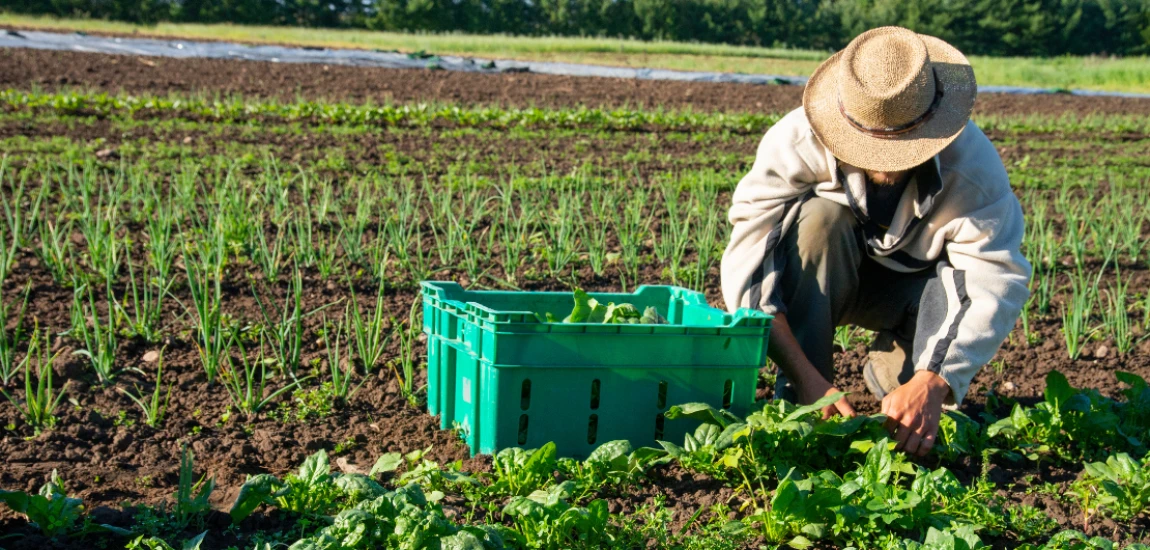
In the age of social media, emotion has become the internet’s most valuable currency. Every like, comment, and share fuels a massive emotional economy—a process now known as mood farming. The term captures how platforms, influencers, and algorithms cultivate human feelings for profit. Where traditional industries once harvested natural resources, tech companies now harvest emotional energy.
At its core, mood farming reflects a shift from storytelling to emotional engineering. Social platforms are no longer neutral spaces for expression; they are highly optimized ecosystems that manipulate and monetize our moods. When we scroll, algorithms study our emotional responses, curating feeds that amplify engagement by exploiting joy, anger, or sadness. This cycle not only commodifies emotion but standardizes it—creating a world where feelings are shaped by market logic rather than human experience.
From viral TikToks designed to trigger laughter to outrage-driven news headlines, our digital moods are continuously harvested, repackaged, and sold. The rise of mood farming signals not just a new phase of digital capitalism, but an era in which the private act of feeling becomes public property.
The Emotional Economy
Social platforms profit most when users feel deeply—whether that feeling is excitement, envy, or despair. Emotional intensity translates directly into screen time and ad revenue.
Algorithms as Emotional Farmers
Algorithms track and analyze micro-signals like facial expressions, typing patterns, and emojis to predict and influence user moods.
Feeling as Data
Every reaction online—whether a heart emoji or a rage comment—becomes part of a vast emotional dataset, feeding future marketing strategies and AI personalization engines.
From Attention Economy to Emotion Economy

We’ve long heard about the attention economy, where time spent online is monetized. But mood farming goes further—it transforms emotion into the primary resource. In this new emotional economy, the value isn’t just how long you look, but how deeply you feel.
Advertisers, creators, and algorithms collaborate in a massive feedback loop that rewards emotional extremes. Sadness, outrage, and joy are not just psychological states; they’re engagement metrics. This industrialization of emotion flattens human complexity, pushing us toward performative displays of feeling designed to sustain attention.
Just as industrial agriculture optimized land for yield, the internet optimizes users for output—emotional output. Posts that inspire feelings of belonging or rage are algorithmically favored because they drive virality. Mood farming, therefore, is not a passive byproduct of the digital era—it’s the business model itself.
The Shift in Value
Traditional media sold stories; digital media sells emotions. Platforms reward creators who generate emotional resonance, not necessarily truth or depth.
Emotional Exploitation
Advertisers harness user data to trigger micro-emotions that drive purchases, effectively turning consumers into emotional laborers.
The Productivity of Feeling
Our reactions online are productive acts, fueling entire industries of content creation, data analysis, and predictive AI modeling.
The Science Behind Mood Algorithms

The emotional web is not intuitive—it’s engineered. Behind every social feed lies a complex network of algorithms trained to detect, anticipate, and shape emotional responses.
Machine learning models now track everything from your pause duration on videos to sentiment in your comments. AI can predict moods with alarming accuracy, categorizing users as “happy,” “stressed,” or “lonely,” then tailoring content to maximize emotional stimulation. These systems are not built to reflect your inner world—they’re built to manipulate it.
Emotional Pattern Recognition
Advanced sentiment analysis detects linguistic tone, facial expressions, and biometric cues to interpret user emotion.
Predictive Mood Modeling
AI predicts what users will feel next and adjusts feeds to keep engagement continuous—creating emotional loops that sustain scrolling behavior.
Emotion as Interface
Even emojis, reaction buttons, and filters are designed to guide emotional expression into quantifiable data streams.
Influencers as Emotional Laborers

Influencers are at the frontline of mood farming. Their work depends not just on visibility but on emotional relatability. They cultivate digital personas engineered to evoke connection, trust, and aspiration—all carefully optimized to sustain engagement.
Influencers become both farmers and crops: they harvest audience emotion while offering their own vulnerability as consumable content. The result is a blurred boundary between authenticity and performance, where emotional expression becomes an economic act.
Authenticity as Strategy
Emotional transparency online is often strategic—crafted to maintain audience loyalty and brand partnerships.
Emotional Fatigue
The pressure to sustain emotional engagement leads to burnout, anxiety, and identity fragmentation among creators.
Parasocial Emotion Loops
Followers invest emotionally in influencers, feeding back validation and attention that reinforces the cycle of mood farming.
Platforms as Emotional Infrastructures

Social media platforms are not neutral intermediaries; they are infrastructures built to manage emotion. Their design—color schemes, feedback loops, notifications—functions as an emotional architecture that directs behavior.
Instagram’s dopamine hits, Twitter’s outrage cycles, and TikTok’s humor trends are not coincidental. They are engineered responses built to keep users within predictable emotional ranges conducive to monetization.
Interface Psychology
App design draws on behavioral psychology to trigger reward cycles, ensuring continuous emotional engagement.
Algorithmic Mood Management
Platforms suppress or elevate content based on emotional tone, shaping collective sentiment without user awareness.
Monetizing Empathy
Even features like mental health prompts or “take a break” messages serve dual purposes—appearing ethical while collecting more nuanced emotional data.
Emotional Labor in the Everyday User

Mood farming doesn’t just affect creators—it impacts everyone who participates in digital emotion exchange. Posting a selfie, reacting to a meme, or sharing bad news becomes an act of unpaid emotional labor.
Users constantly curate how they feel in public view, turning genuine emotion into performative data. The emotional self becomes a product—marketable, brandable, and trackable.
The Performativity of Feeling
Online culture rewards emotional visibility. Private feelings are reframed as public performances designed for algorithmic validation.
Digital Burnout
Constant emotional self-presentation contributes to fatigue, detachment, and loss of genuine connection.
Emotional Capital
Popularity is increasingly tied to emotional fluency—the ability to produce the “right” feelings at the right times.
Emotional Standardization and the Loss of Nuance

Mood farming simplifies emotion into binary categories—happy/sad, love/hate, like/dislike—erasing the complexity of human feeling. This flattening creates emotional homogeneity, where nuance disappears under the weight of virality.
Platforms thrive on emotional clarity because ambiguity doesn’t sell. But the consequence is a digital landscape where emotional authenticity becomes impossible.
Algorithmic Emotion Simplification
Subtle emotions like melancholy or ambivalence are rarely rewarded, leading users to favor exaggerated expressions.
Homogenized Feeling
Trends dictate how users should feel, producing emotional conformity that mirrors product marketing strategies.
Cultural Consequences
As mood farming spreads globally, emotional norms become standardized across cultures, eroding local modes of expression.
The Environmental Metaphor: Digital Agribusiness of Emotion

Just as industrial farming exhausts soil, mood farming depletes emotional resilience. Users become emotionally overexposed, their inner lives stripped for data extraction.
This metaphor isn’t merely poetic—it’s structural. Both systems rely on monocultures, mechanization, and resource depletion. The internet’s emotional monoculture prioritizes fast feelings over deep emotional growth.
Emotional Monoculture
Trends prioritize mass reproducibility of emotion—viral sadness, collective outrage—over individuality.
Emotional Exhaustion
Constant emotional engagement mirrors overfarming: it depletes personal capacity for empathy and reflection.
Sustainability of Feeling
Reclaiming emotional autonomy requires cultivating slow, mindful, and offline emotional experiences.
Resisting Mood Farming: Emotional Autonomy in a Datafied World

While mood farming dominates digital life, resistance is possible. Awareness is the first step—recognizing when emotion is being engineered rather than organically felt.
Users can practice emotional autonomy by setting intentional boundaries around digital expression and consumption. Curating your feed, muting triggering accounts, or adopting “emotional detox” periods can help restore balance.
Digital Emotional Literacy
Understanding how platforms manipulate emotion empowers users to navigate them consciously.
Curating the Feed
Unfollow accounts that exploit outrage or false positivity; follow those fostering genuine reflection and empathy.
Offline Emotion Cultivation
Engaging with art, nature, and real relationships strengthens emotional depth beyond algorithmic influence.
The Future of Feeling: Reclaiming Humanity in the Age of Data

As AI and emotion analytics evolve, the industrialization of feeling will intensify. But this doesn’t have to be dystopian. The future of emotion online could involve new ethical standards for data use, emotional privacy laws, and platform accountability.
Reclaiming humanity means redefining emotional authenticity as resistance. In a world that farms our feelings, the radical act is to feel privately, deeply, and without performance.
Ethical Emotion Tech
Developers must design systems that respect emotional diversity rather than exploit it.
Collective Emotional Reform
Users, creators, and policymakers can demand emotional transparency and humane design in digital products.
Rewilding Emotion
Like rewilding ecosystems, we can rewild our emotional landscapes—restoring complexity, slowness, and sincerity.


Operating "The Blonde Abroad," Kiersten Rich specializes in solo female travel. Her blog provides destination guides, packing tips, and travel resources.
Kiersten Rich

Prev Post
Next Post