
Immersive Entertainment: VR, AR, and Metaverse Experiences
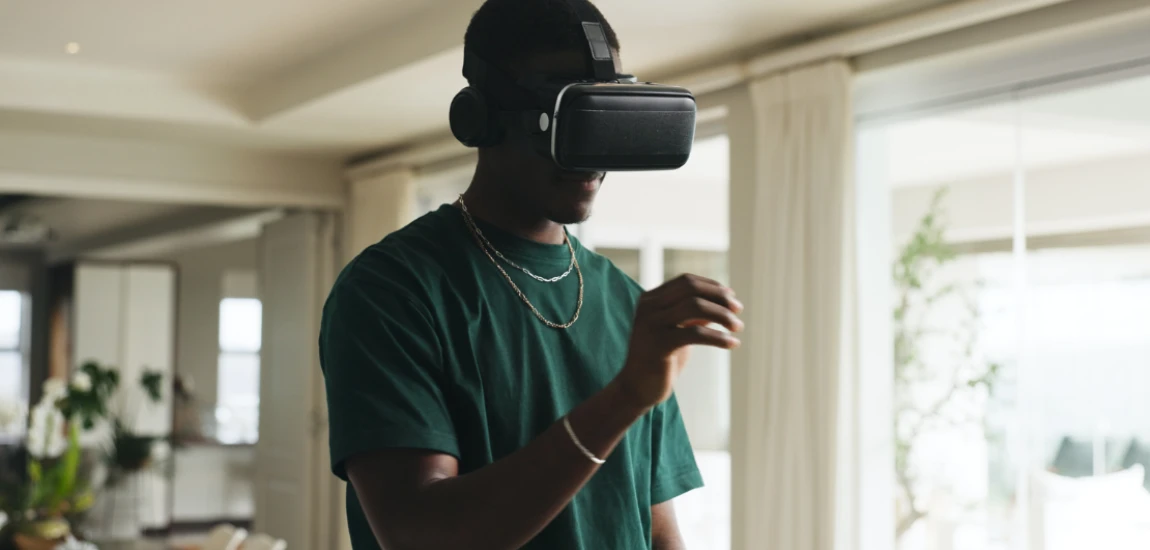
The entertainment industry is undergoing a revolutionary transformation with VR, AR, and metaverse experiences. These technologies offer audiences interactive, immersive experiences that go beyond traditional movies, video games, and live events. By integrating advanced hardware, software, and AI-driven interactivity, immersive entertainment creates a sense of presence and participation previously unimaginable.
Virtual Reality (VR) allows users to fully enter digital worlds with headsets and motion-tracking equipment. Augmented Reality (AR) overlays digital elements on the physical world, creating hybrid experiences. The metaverse, a shared virtual space, combines these technologies to offer social, entertainment, and creative platforms where users interact in real-time.
Understanding these trends is crucial for creators, marketers, and consumers. Immersive entertainment is not just a technological novelty—it is reshaping storytelling, social interaction, and the economics of media consumption. Audiences now demand more engaging, multisensory experiences, pushing the industry to innovate and experiment.
Virtual Reality: Entering New Worlds

Gaming in Full Immersion
VR gaming provides players with unprecedented control, perspective, and interaction. Titles like Half-Life: Alyx and Beat Saber showcase how immersive environments can elevate gameplay and narrative. The sense of presence allows players to engage physically and emotionally, blurring the line between player and character.
Cinematic Experiences in VR
Filmmakers are experimenting with VR storytelling to create 360-degree narratives. Audiences can explore scenes from multiple angles, interact with characters, and even influence story outcomes. This evolution challenges traditional filmmaking, requiring new techniques in cinematography, sound design, and pacing.
VR Beyond Entertainment
VR is also being used in virtual tourism, educational experiences, and interactive theater. Users can explore historical sites, attend workshops, or participate in simulations, demonstrating VR’s potential beyond gaming and media.
Virtual reality transforms passive media consumption into active participation. By engaging multiple senses, VR creates deeper emotional connections, making users feel part of the story. For developers and creators, this requires rethinking narrative structure, user interface design, and accessibility to ensure seamless, intuitive experiences.
Augmented Reality: Enhancing the Physical World

AR in Mobile Apps and Social Media
Applications like Pokémon GO and Snapchat filters illustrate how AR overlays digital content onto the real world. These interactive elements enhance engagement and create playful, shareable experiences.
Live Events and Interactive Promotions
Concerts, sports broadcasts, and retail experiences use AR to provide additional visual layers, real-time stats, or interactive features. AR enhances audience immersion while expanding brand engagement opportunities.
Storytelling and Education Through AR
AR books, educational tools, and museum exhibits integrate virtual elements to enrich learning. Users can visualize concepts, interact with characters, and gain personalized experiences, making AR a versatile tool for both entertainment and education.
AR bridges the gap between the physical and digital realms, offering creative opportunities for engagement, storytelling, and commerce. Its accessibility on smartphones and tablets allows a broad audience to participate in immersive experiences without the need for expensive hardware, democratizing the potential of augmented entertainment.
The Metaverse: A Shared Virtual Universe

Social Interaction in Digital Spaces
The metaverse allows users to socialize, attend events, and collaborate in fully realized digital environments. Platforms like Roblox, Fortnite, and Meta Horizon Worlds showcase the potential of shared immersive spaces.
Entertainment and Live Events
Concerts, film screenings, and theater performances in the metaverse offer interactive, global experiences. Users can participate in activities, customize avatars, and engage in ways that traditional venues cannot match.
Economic Opportunities and Digital Goods
The metaverse supports virtual economies through NFTs, virtual real estate, and digital collectibles. Entertainment companies and creators monetize experiences while providing unique, collectible content to users.
The metaverse represents the next frontier in immersive entertainment. Unlike VR or AR alone, it combines social interactivity, digital creation, and commercial ecosystems into a persistent virtual world. Audiences are no longer just viewers—they become participants, creators, and investors in immersive experiences.
Music and Concerts in Immersive Media

VR Concerts and Live Performances
Artists like Travis Scott and Ariana Grande have hosted virtual concerts in Fortnite and Roblox, reaching millions of viewers simultaneously. VR concerts combine visuals, music, and interactivity for a fully immersive experience.
AR Enhancements in Live Shows
AR effects can enhance stage performances, overlaying visuals on physical stages, or providing interactive apps for audience participation. This hybrid approach expands the possibilities for live entertainment.
Fan Engagement and Global Reach
Immersive concerts and experiences transcend geographic barriers. Fans from different countries can attend virtually, interact with artists, and experience shared community engagement, creating global fan bases.
Music experiences are increasingly integrating VR and AR technologies to create multisensory, interactive events. These formats not only expand reach but also redefine how fans connect with artists, transforming concerts into participatory, personalized experiences that blend entertainment, technology, and social interaction.


Shivya Nath authors "The Shooting Star," a blog that covers responsible and off-the-beaten-path travel. She writes about sustainable tourism and community-based experiences.
Shivya Nath

Prev Post

Next Post