
How Neural Physics Models Are Powering Realistic Action Sequences Without Stunts
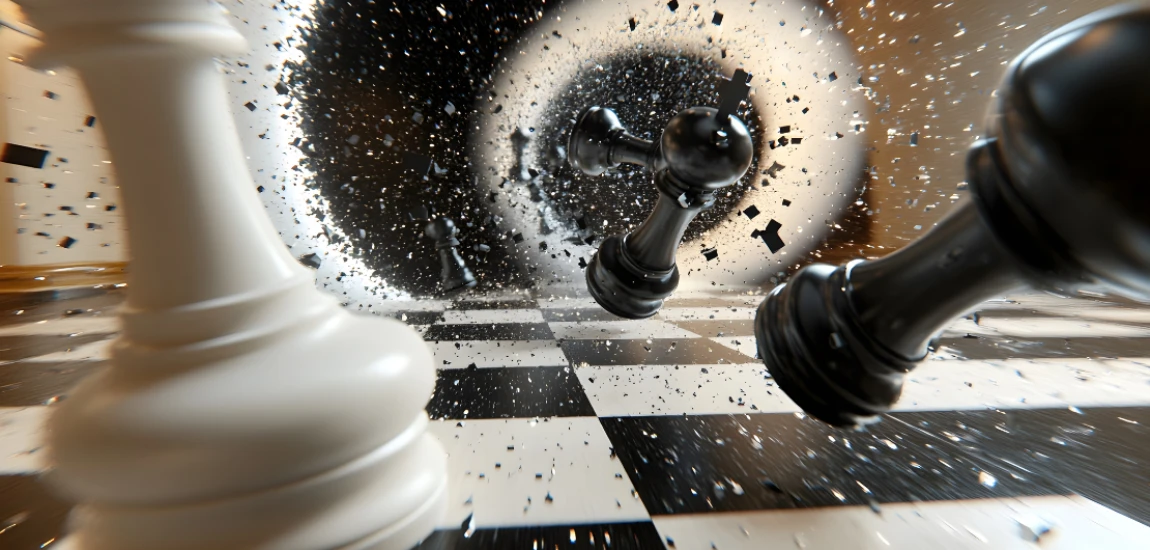
Action filmmaking has long been dependent on professional stunt performers, mechanical rigs, and weeks of choreography prep. But the rise of neural physics models—AI systems that can simulate the laws of physics with human-like nuance—is shifting the industry into a new era. Directors can now design entire action sequences virtually, using AI-powered systems that replicate momentum, velocity, collisions, and character behavior at unprecedented realism. Rather than replacing creative control, these models expand it, giving filmmakers new ways to plan scenes, reduce risk, and execute more visually compelling work.
Below, we take a deep dive into how neural physics technology is rapidly transforming action filmmaking, what tools are driving this shift, and what this means for the future of production.
Understanding the Rise of Neural Physics in Filmmaking

What Neural Physics Models Actually Do
Neural physics models simulate real-world physical behavior—movement, force, material deformation, and environmental response—with the help of deep learning systems. Unlike traditional physics engines that rely on pre-coded formulas, these AI models learn from enormous datasets, allowing them to predict outcomes more flexibly and accurately.
Why They’re the Next Evolution Beyond Motion Capture
Motion-capture revolutionized digital action scenes, but it still requires live performers, green screens, and specialized equipment. Neural physics models eliminate this dependency by simulating everything digitally—from body movement to object collisions—giving filmmakers full control without physical limitations.
How Filmmakers Benefit from Real-Time Simulation Accuracy
Since neural physics systems operate in real time, directors can visualize complex action scenes instantly. Imagine adjusting a character’s fall angle, explosion impact radius, or mid-air collision and seeing perfectly simulated results without reshoots. This instant feedback loop dramatically improves efficiency and creative precision.
How AI Simulations Are Replacing Traditional Stunt Work

Superhuman Precision Without Human Risk
Instead of depending on stunt performers to execute risky maneuvers, neural physics models allow creators to digitally choreograph scenes involving dangerous heights, car crashes, intense fight sequences, or high-speed chases. This doesn’t replace stunt performers entirely—but it drastically reduces the need for dangerous on-set work.
Digital Doubles Reinvent the Stunt Workflow
Modern productions now use AI-generated digital doubles trained on real human biomechanics. Neural physics models handle the rest—simulating weight distribution, muscle tension, reaction timing, and environmental influence to deliver movements that look astonishingly human.
Reducing Insurance, Scheduling Pressure, and On-Set Hazards
Productions with heavy stunt reliance often face higher costs and unpredictable delays. Neural physics simulations dramatically cut these risks, allowing teams to film safer, faster, and with less reliance on weather conditions, complex rigs, or high insurance premiums.
Real-Time Action Choreography and Virtual Previs Pipelines

Directors Can Block Scenes Before Cameras Roll
One of the biggest advantages of neural physics models is improved previsualization. Directors, cinematographers, and VFX teams can block out entire action sequences virtually—complete with lighting, camera angles, and realistic physics—long before stepping onto a set.
Interactive AI Tools for Instant Revisions
Traditional stunt choreography requires time-consuming resets. But with neural physics tools, directors can tweak a kick, punch, fall, or impact mid-simulation and instantly see the updated output. This speeds up decision-making while giving creatives more freedom to experiment.
Camera Simulation for Dynamic Cinematography
Neural physics systems can even simulate drone paths, dolly movements, and handheld camera shake. This lets cinematographers craft visually striking shots that might be unsafe or impossible in real life—like weaving between collapsing debris or shooting a 360° rotation around a midair stunt.
Enhancing Realism Through AI-Generated Environmental Physics

Destruction, Debris, Fire, and Water Behave Naturally
Natural elements like dust clouds, sparks, water splashes, and building debris are notoriously difficult to animate manually. Neural physics models learn from thousands of natural examples—meaning explosions don’t just look real; they behave real.
Dynamic Interaction Between Characters and Environments
When a character jumps through a window or rolls across gravel, neural physics models calculate the exact reaction: glass shards flying in accurate trajectories, gravel shifting under weight, clothing reacting to wind and speed. This micro-realism builds more immersive action sequences.
Improved Consistency Across Multiple Shots
Filmmakers no longer need to manually recreate continuity for repeated explosions, impacts, or collapsing objects. Neural physics systems replicate interactions perfectly across every camera angle, maintaining seamless realism.


Shivya Nath authors "The Shooting Star," a blog that covers responsible and off-the-beaten-path travel. She writes about sustainable tourism and community-based experiences.
Shivya Nath
Prev Post

Next Post