
How Neural Makeup Systems Auto-Apply Stylized Looks Across Actors and Avatars
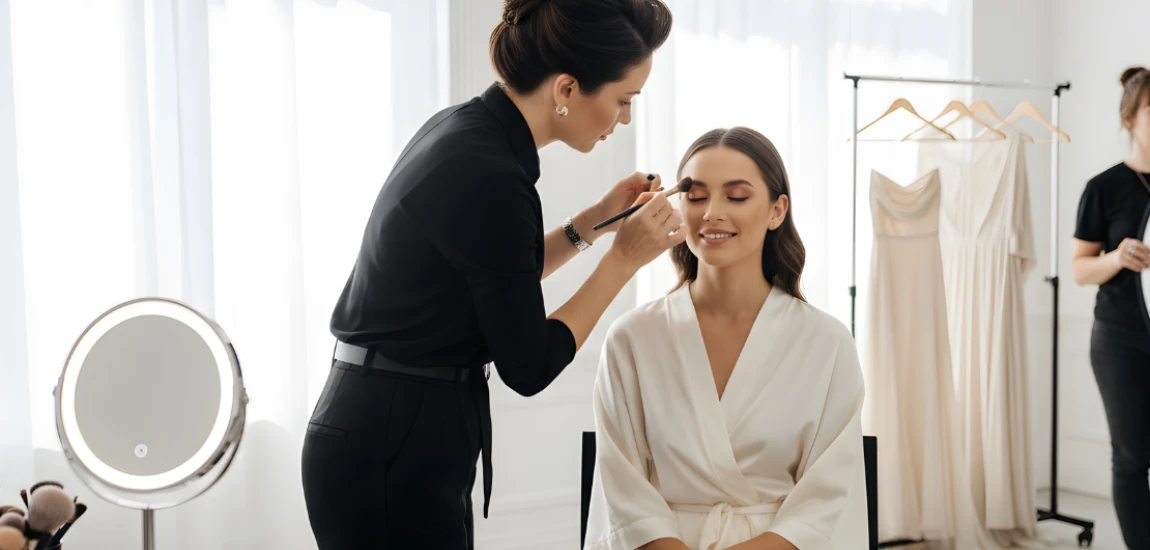
Why AI Beauty Pipelines Are Transforming Production
The demand for visually stunning, stylized, and immersive character design has never been higher. From blockbuster films and AAA games to influencers using virtual avatars, creators need makeup continuity, customizable visual themes, and fast execution. Neural makeup systems emerged as a solution to the challenges of traditional makeup processes, which often required long hours of application, constant retouching, and meticulous color matching. By using deep learning, these systems analyze facial structure, lighting conditions, skin texture, and creative references to generate makeup looks that adapt precisely to each actor or avatar—without manual intervention.
How Neural Networks Interpret Facial Features
The core strength of neural makeup systems lies in their ability to understand faces at a granular level. By leveraging convolutional neural networks (CNNs) and vision transformers (ViTs), these systems can detect micro-details in skin pores, bone structure, and contours. AI then uses context-aware blending techniques to apply makeup that appears hand-crafted by a professional artist. This includes everything from subtle foundation adjustments to complex stylized looks like cyberpunk patterns, historical aesthetics, avant-garde face paint, or fantasy world embellishments.
The Shift Toward Cross-Platform Makeup Consistency
As productions increasingly mix live-action footage with CGI characters and virtual humans, maintaining consistent aesthetics across mediums is challenging. Neural makeup systems solve this by applying identical makeup styles to both physical actors and digital avatars. This ensures a unified visual identity, especially in hybrid productions such as metaverse events, virtual concerts, or films blending real performers and animated doubles.
How Neural Makeup Systems Work: The Technology Behind the Magic

Facial Mapping and 3D Reconstruction
At the heart of every neural makeup system is a detailed facial mapping process. AI creates a 3D reconstruction of the subject’s face using depth estimation and multi-angle image analysis. This model allows makeup to be applied realistically, accounting for lighting, shadows, and facial movements. Whether an actor raises an eyebrow or a virtual avatar turns its head, the makeup dynamically repositions itself.
Style Transfer Techniques for Makeup Application
Neural style transfer plays a major role in AI-generated makeup. These systems analyze reference images—concept art, mood boards, historical makeup samples, or celebrity looks—and translate their stylistic elements onto a new face. Instead of merely overlaying textures, the AI extracts artistic patterns such as brush strokes, color gradients, highlight placement, and shadow depth to recreate the style authentically. This allows creators to instantly test multiple looks, from gothic glam to neon futuristic designs.
Real-Time Rendering and Adaptation
Modern neural makeup systems support real-time rendering, making them useful in live productions like virtual events, streaming avatars, or on-set filmmaking. As lighting shifts or actors move through a scene, AI recalculates shadows, highlights, and colors to maintain authenticity. Makeup can be dynamically enhanced, subdued, or completely replaced mid-shot—something impossible with traditional methods without reshoots or heavy VFX work.
Applications Across Film, Games, and Virtual Worlds

Film Productions and On-Set Efficiency
Directors can deploy neural makeup systems to instantly visualize makeup variations during pre-production. Actors can appear in full stylized looks without hours of chair time, allowing productions to shoot more efficiently. For fantasy or sci-fi genres, intricate looks involving alien skin patterns, magical runes, or metallic facial layers can be applied without prosthetics. This reduces material costs and speeds up workflows, while still achieving Hollywood-level quality.
Gaming and Real-Time Avatars
In gaming, neural makeup systems enhance character creation by giving players access to dynamic cosmetic customization. NPCs can sport makeup that reflects their culture, personality, or environmental context. Streamers and VTubers benefit as well—AI applies real-time makeup to avatars that adapts to facial expressions and lighting, giving creators professional-quality looks without manual editing.
Virtual Humans in the Metaverse
From social VR to digital fashion shows, virtual spaces increasingly depend on sophisticated avatars. Neural makeup systems ensure these avatars look polished, expressive, and unique. Brands can design themed makeup for digital events, influencers can maintain consistent looks across platforms, and entire virtual communities can adopt coordinated aesthetics driven by AI-powered makeup engines.
Benefits of Neural Makeup Systems for Creators and Studios

Reduced Costs and Production Time
Traditional makeup artistry—while irreplaceably human in many contexts—can be demanding in large productions or stylized franchises requiring daily reapplication. Neural makeup systems reduce time spent on chair sessions, retouching, and prosthetic work. For digital productions, they eliminate manual texturing and shading, accelerating post-production significantly.
Enhanced Artistic Control and Experimentation
Directors, game designers, and digital artists gain the ability to experiment with infinite makeup variations at no cost. They can test color schemes, character identities, cultural motifs, and thematic looks within seconds. AI allows them to preview multiple layers, adjust transparency, or combine cross-genre aesthetics—all without laborious manual editing.
Cross-Character and Cross-Medium Consistency
Whether a character appears as a live actor, CGI model, stunt double, holographic projection, or virtual avatar, neural makeup systems ensure the look remains identical. This prevents inconsistencies across scenes, reducing continuity errors and strengthening the brand identity of fictional characters.


Ben Schlappig runs "One Mile at a Time," focusing on aviation and frequent flying. He offers insights on maximizing travel points, airline reviews, and industry news.
Ben Schlappig
Prev Post

Next Post