
How Intelligent Editing Companions Automatically Suggest High-Impact Story Beats
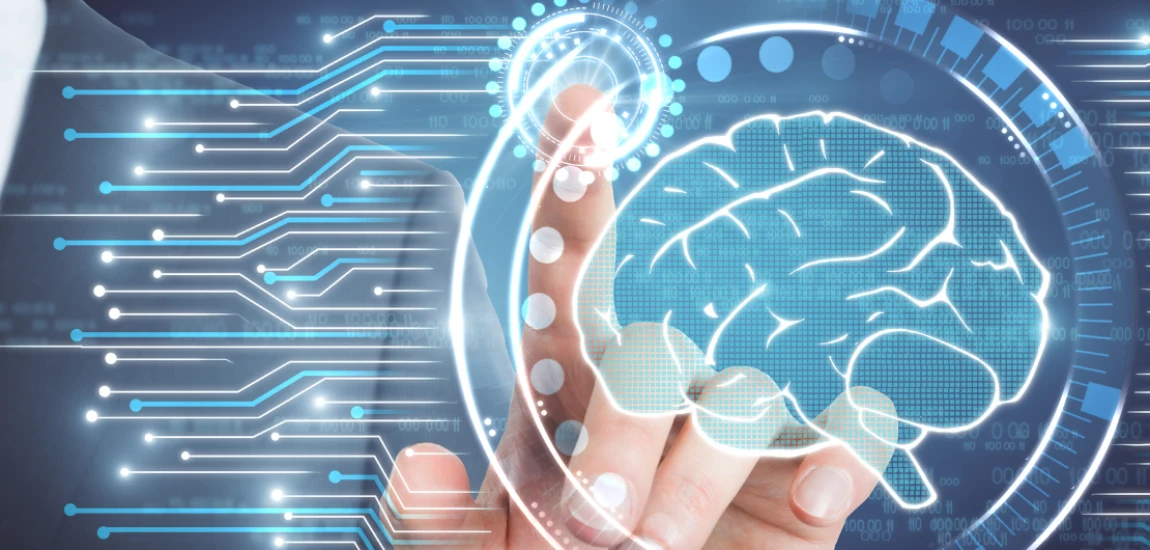
The Evolution of Storytelling Technology
AI-powered creative tools have moved far beyond spell-checkers and grammar correctors. Today’s intelligent editing companions leverage neural story modeling, predictive emotional analytics, and narrative mapping engines to understand story rhythm the way seasoned editors do. These systems recognize the emotional temperature of scenes, identify missing narrative tension, and flag opportunities to build momentum. As creative industries continue embracing automation, these tools play a central role in speeding up workflows while protecting artistic intent.
How Story Structure Analysis Works
At the heart of these systems is multimodal analysis—studying text, audio emotional tone, visual framing, and character arcs. Intelligent editing companions break down scripts or video edits into core story beats: setup, conflict, escalation, climax, and resolution. Then, the AI evaluates pacing, emotional consistency, plot cohesion, and audience engagement potential. This allows creators to see story weaknesses long before production begins.
Why Story Beats Matter More Today
With streaming platforms demanding constant content and global audiences expecting cinematic-level storytelling across mediums, consistent narrative quality is crucial. High-impact story beats anchor emotional investment; they’re the moments that capture attention, deepen character relatability, and enhance viewer satisfaction. AI that can pinpoint these beats doesn’t replace creativity—it amplifies it.
How AI Detects and Suggests High-Impact Story Beats

Emotional Heatmapping and Scene Scoring
Through multimodal sentiment detection, AI analyzes dialogue, tone, facial expressions, and environmental cues to determine emotional significance. Intelligent editing companions assign "beat scores" to each scene, highlighting which moments naturally carry emotional weight and which need reworking. This helps creators understand how emotion flows throughout the narrative—from subtle internal conflicts to explosive climaxes.
Predictive Narrative Modeling
Using trained story datasets spanning genres, formats, and cultural expectations, AI systems forecast where a story beat should ideally land. If rising action appears too early or the climax lacks punch, the system offers rewrites, pacing changes, or structural realignments. Predictive modeling ensures the story feels engaging and cohesive from start to finish.
Automated Gap Detection
One of the most powerful features of intelligent editing companions is their ability to detect missing beats—those moments that audiences subconsciously expect. For instance, if a protagonist lacks a clear motivation early on or the midpoint twist feels weak, the AI flags these areas and suggests narrative fixes. This transforms editing from guesswork into a guided creative collaboration.
Transforming Writing and Editing Workflows with AI-Driven Narrative Insights

Real-Time Creative Feedback
Unlike human editors who work asynchronously, AI assistants provide real-time suggestions as creators write or edit video. This immediate feedback keeps momentum and reduces revision cycles. Instead of waiting days for editorial review, writers get instant clarity on structure, coherence, and thematic alignment.
Pacing and Rhythm Optimization
Intelligent editing companions visualize narrative pacing through dynamic charts that show tension rise, emotional shifts, and dialogue density. They highlight overly slow sequences, rushed transitions, or inconsistent energy levels. Creators can then rebalance scenes to maintain audience engagement across entire story arcs.
Enhancing Collaboration Across Teams
For large productions, AI becomes a communication hub. Writers, editors, producers, and directors can all view the same narrative insights, minimizing misunderstandings. AI-generated beat sheets, mood graphs, and scene summaries help stakeholders stay aligned, speeding up decision-making and ensuring consistent vision across departments.
Personalizing Storytelling Through Audience Behavior Prediction

Behavioral Data and Viewer Trends
Today’s audiences do more than watch—they interact, pause, skip, and rewatch. Intelligent editing companions use these behavioral patterns to determine what types of beats resonate. If viewers frequently drop off before the midpoint, AI adjusts pacing or recommends stronger tension-building. Personalized storytelling emerges not from guesswork, but from data.
Genre-Specific Beat Insights
Different genres demand different emotional cadences. Horror thrives on dread and sudden spikes of fear; romance depends on slow-burn tension, vulnerability, and payoff moments. AI understands these genre expectations and adapts its beat recommendations accordingly. This ensures the final product aligns with audience expectations without sacrificing originality.
Multicultural and Global Optimization
With narratives reaching global markets, cultural sensitivity and resonance matter. AI systems evaluate how story beats play across regions, languages, and audience backgrounds. They may suggest strengthening emotional universality, adjusting humor timing, or enhancing context clues to increase global appeal.
The Technology Behind Intelligent Editing Companions

Natural Language Processing and Narrative Graphs
NLP models convert scripts into narrative graphs—visual maps that show character relationships, motivations, conflicts, and emotional shifts. These graphs allow the AI to analyze story coherence and identify where conflict arcs break or character development stalls.
Multimodal Machine Learning
For film and video content, multimodal ML analyzes visuals, audio, body language, and pacing simultaneously. This holistic approach deepens the AI’s understanding of subtext. For example, a quiet conversation may hold more emotional weight than an action-packed sequence depending on tone, framing, and character dynamics.
Reinforcement Learning for Creative Optimization
AI editing companions learn from user corrections. If creators reject or adjust a suggestion, the system adapts to their stylistic preferences. Over time, it becomes attuned to a specific project’s tone or a creator’s personal storytelling signature, resulting in a more seamless collaborative experience.


Anil Polat, behind the blog "FoxNomad," combines technology and travel. A computer security engineer by profession, he focuses on the tech aspects of travel.
Anil Polat
Prev Post
Next Post