
Gamified Reality: How Video Games Influence Our Behavior and Attention Spans
From Play to Lifestyle
Over the past two decades, video games have evolved from niche pastimes to cultural cornerstones. Today, nearly three billion people worldwide engage with gaming in some form—whether through console epics, mobile apps, or online simulations. This omnipresence has blurred the line between play and daily life. We “level up” in fitness apps, earn points in loyalty programs, and chase digital rewards on social media. What began as escapist entertainment has become a framework for motivation and behavior across society.
How Games Became Behavioral Templates
Gamification—the use of game mechanics in non-game contexts—draws directly from behavioral psychology. Features like achievements, leaderboards, and progress bars activate our brain’s reward system, making mundane tasks feel meaningful. When users see measurable progress, dopamine is released, reinforcing the desire to continue. It’s why fitness apps celebrate your 10,000th step or why productivity tools gamify task completion. The same principles that keep players hooked on Fortnite or Candy Crush now drive engagement in workplaces, schools, and marketing campaigns.
The Mainstreaming of Playful Design
From Duolingo’s language streaks to Tesla’s car-driving Easter eggs, the aesthetics and logic of gaming are now woven into daily interfaces. This trend reflects a broader cultural shift toward “playable experiences”—environments where interaction, feedback, and reward loops mimic game dynamics. Gamification has become a social expectation, not just a design strategy. It influences how we measure success, connect with others, and even perceive time and achievement in the real world.
The Neuroscience of Reward and Attention

Dopamine and the Feedback Loop
Video games are masterclasses in manipulating dopamine—the brain’s pleasure and motivation neurotransmitter. Every challenge, reward, or “level up” releases a burst of dopamine, creating a powerful loop of anticipation and satisfaction. This neurological rhythm encourages continued play, even when the rewards are virtual. Over time, the brain begins to crave these digital stimuli, reinforcing habits that mirror addiction-like patterns of engagement.
Attention and Cognitive Control
While critics claim games shorten attention spans, the reality is more nuanced. Studies show that action gamers often develop sharper visual acuity, faster reaction times, and improved task-switching abilities. However, these gains come with trade-offs: frequent exposure to rapid stimuli can reduce patience for slower, less rewarding tasks. In essence, gaming trains the brain for high-intensity focus but may undermine sustained attention in non-gamified environments.
The Balance Between Stimulation and Fatigue
The human brain thrives on stimulation, but it also needs downtime for creativity and reflection. Excessive gaming—or constant exposure to gamified interfaces—can overload the brain’s reward circuitry, dulling its responsiveness. This phenomenon, known as hedonic adaptation, makes once-exciting activities feel mundane. The key lies in balance: using gaming’s motivational power strategically while preserving mental bandwidth for unstructured thought and rest.
Behavioral Conditioning: The Psychology of Play

Operant Conditioning in Game Design
At the core of gaming’s behavioral influence is operant conditioning—a psychological principle developed by B.F. Skinner. Game designers use this concept through variable reward schedules, where players receive unpredictable rewards (like rare loot or bonus levels). This uncertainty keeps the brain engaged, much like slot machines in casinos. The thrill of possibility sustains motivation long after rational enjoyment fades.
The Role of Loss Aversion
Another psychological principle at play is loss aversion—the tendency to fear losing more than we enjoy winning. Many games exploit this through mechanics like limited-time events, lives, or streaks that reset if players don’t log in regularly. These systems create artificial urgency, encouraging users to return daily. Similar tactics are now found in mobile notifications, social media streaks, and marketing campaigns—illustrating how gaming psychology has migrated into everyday life.
Social Validation and Competition
Humans are social learners, and video games often amplify this instinct through multiplayer modes and online leaderboards. These features transform personal achievement into social currency. Winning, ranking, or simply being seen fosters a sense of belonging and recognition. This is why the “gamification of social life”—from likes on Instagram to digital trophies—has become a defining feature of modern interaction.
How Gaming Shapes Real-World Behavior

Skill Transfer and Learning Enhancement
Despite criticism, gaming can sharpen valuable real-world skills. Strategic games like Civilization enhance problem-solving and resource management, while rhythm and action games improve timing and coordination. Educational systems are increasingly using gamified learning platforms to teach math, science, and language, capitalizing on the motivational power of challenge and feedback.
Motivation and Habit Formation
Gamified environments are particularly effective in building habits. Apps that encourage daily check-ins, reward consistency, or visualize progress tap into the same behavioral cues that make games addictive. When designed ethically, these systems can promote positive behaviors—like saving money, exercising, or learning new skills. However, poorly designed systems risk turning engagement into compulsion, trapping users in cycles of meaningless reward-seeking.
Empathy and Emotional Intelligence
Narrative-driven games like The Last of Us and Life Is Strange are also influencing emotional intelligence by immersing players in morally complex worlds. Through interactive storytelling, players practice empathy, decision-making, and ethical reflection. This dimension of gaming demonstrates that influence isn’t always manipulative—it can also be deeply humanizing, expanding our capacity for understanding others.
The Double-Edged Sword of Attention

Shortened Attention Spans and Instant Gratification
Digital environments—especially games—reward rapid feedback and constant novelty. Over time, this can recalibrate our tolerance for boredom. The average attention span for uninterrupted focus has dropped significantly in the past decade, partly due to gamified media consumption. The craving for immediate results can hinder our ability to engage with complex, slow-paced tasks like reading or long-term planning.
The Myth of the “Distracted Generation”
However, framing this as simple decline misses a crucial point: our attention hasn’t vanished—it’s been reprogrammed. Younger generations exhibit distributed attention, the ability to manage multiple information streams simultaneously. Games have trained them to scan, prioritize, and adapt rapidly. While this skill is invaluable in digital contexts, it also requires conscious retraining to adapt to offline focus demands.
Reclaiming Focus Through Mindful Play
Understanding gaming’s influence allows us to use it consciously rather than compulsively. Mindful gaming—setting limits, reflecting on play, and choosing experiences that foster creativity—can help preserve attention balance. Developers are also responding with “slow games” and narrative-driven titles that reward patience over speed, encouraging a healthier relationship between play and focus.
The Future of Gamified Reality

The Expansion of the Metagame
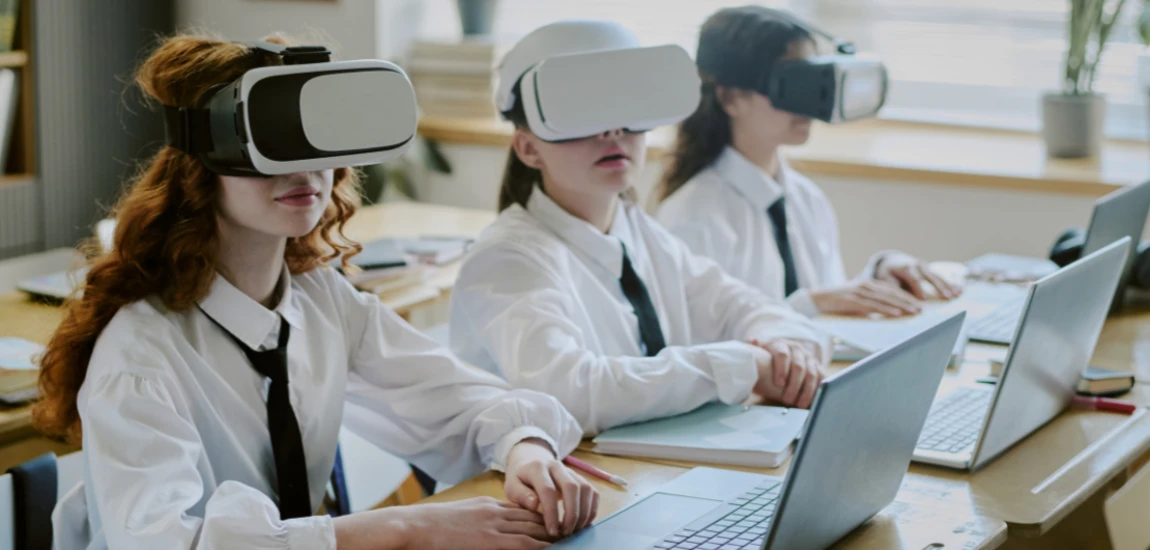
As technology advances, the boundary between games and reality continues to blur. Augmented reality (AR) and virtual reality (VR) merge digital play with physical space, turning the real world into a game board. Fitness apps like Pokémon GO and Zombies, Run! gamify exercise, while metaverse platforms blend socializing, commerce, and gaming into persistent digital ecosystems. This “metagame” era suggests that gamified behavior will soon shape every facet of life—from work to wellness.
Ethics and Design Responsibility
With great influence comes ethical responsibility. Developers and designers wield immense power in shaping behavior, and not all use it wisely. Exploitative monetization models, loot boxes, and manipulative engagement tactics mirror the logic of behavioral addiction. The challenge for the next decade will be balancing profit with user well-being—creating games and gamified systems that inspire growth rather than dependence.
Using Games for Positive Change
The same psychological tools that drive obsession can also drive transformation. Games like Foldit have turned players into scientific collaborators, solving protein-folding puzzles that advance medical research. Similarly, serious games for therapy, environmental awareness, and education demonstrate the immense potential of gamified systems when aligned with human values. The key lies not in avoiding gamification—but in mastering it for meaningful purpose.


Ben Schlappig runs "One Mile at a Time," focusing on aviation and frequent flying. He offers insights on maximizing travel points, airline reviews, and industry news.
Ben Schlappig

Prev Post

Next Post