
Decentralized Entertainment, Web3 & Fan-Owned Media
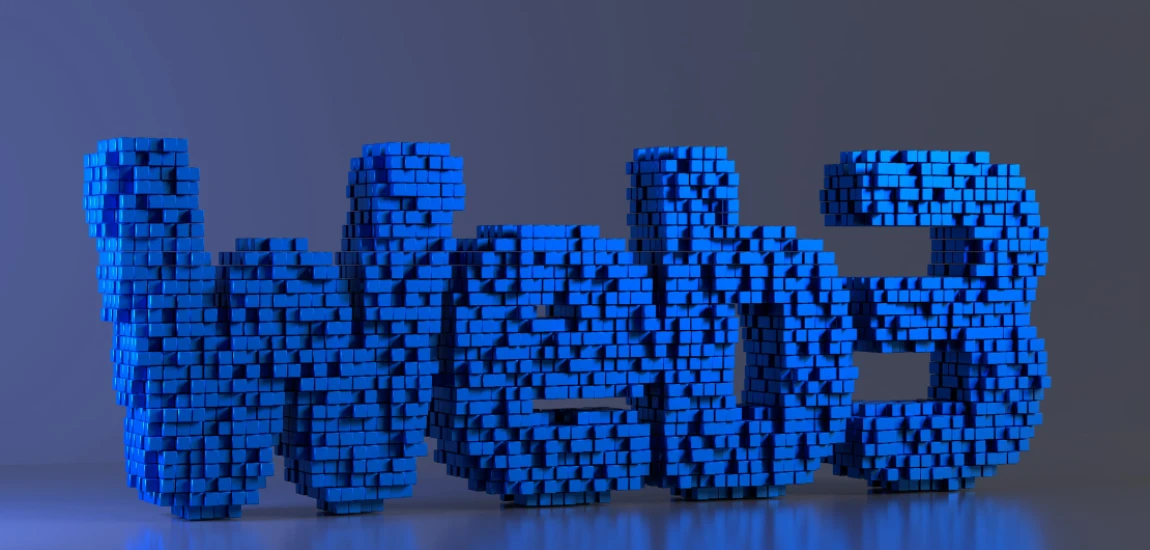
For decades, entertainment has been controlled by centralized platforms—studios, labels, publishers, and streaming giants that decide what gets made, how it’s distributed, and who profits. Creators often surrender ownership, while audiences remain passive consumers. That model is now being challenged by decentralized entertainment powered by Web3 technologies and fan-owned media structures.
Web3 introduces blockchain-based systems that enable transparent ownership, direct monetization, and community governance. Instead of platforms owning the audience, communities own the culture. Fans can fund projects, co-own intellectual property, vote on creative decisions, and share in long-term value creation.
This shift isn’t just technical—it’s cultural. Decentralized entertainment reframes storytelling as a collaborative ecosystem rather than a top-down product. Films, games, music, and digital worlds can now be built with fans instead of for them.
As NFTs, DAOs, tokenized rights, and decentralized distribution mature, fan-owned media is emerging as a viable alternative to traditional entertainment models. This article explores how decentralized entertainment works, where it’s being applied, the opportunities and challenges involved, and how creators can navigate this new frontier responsibly.
Understanding Decentralized Entertainment

What Decentralization Means in Media
Decentralized entertainment removes reliance on a single controlling authority. Instead of studios or platforms owning content and distribution, ownership and decision-making are spread across a network of participants using blockchain infrastructure.
This creates transparency, resilience, and shared value.
Blockchain as Creative Infrastructure
Blockchain enables immutable records of ownership, smart contracts for automated revenue sharing, and token-based access systems. These tools allow creators to embed rules directly into their content ecosystems.
Trust shifts from institutions to code.
Why Traditional Models Are Being Challenged
Centralized platforms often prioritize algorithms, advertising, and scale over creative sustainability. Decentralized models appeal to creators seeking independence and fans seeking meaningful participation rather than passive consumption.
Web3 Tools Powering Fan-Owned Media

NFTs Beyond Collectibles
Non-fungible tokens represent ownership of digital assets, but in fan-owned media they can grant access, voting rights, revenue shares, or creative influence. NFTs become membership keys rather than speculative items.
Utility defines long-term value.
DAOs and Community Governance
Decentralized Autonomous Organizations allow fans and creators to collectively govern projects. Members can vote on funding decisions, story directions, or expansion plans using tokens.
Creativity becomes participatory.
Smart Contracts and Revenue Transparency
Smart contracts automate royalty distribution, ensuring creators and contributors are paid instantly and transparently. This reduces intermediaries and builds trust across the ecosystem.
Fan-Owned Media in Film, Music, and Gaming

Decentralized Film Production
Independent films are increasingly funded through token sales or NFT drops, allowing fans to become stakeholders. Supporters gain behind-the-scenes access and potential revenue participation.
Films become shared ventures.
Music Communities and Direct Patronage
Musicians use Web3 platforms to release music directly to fans, bypassing labels. Fans can co-own tracks, remix content, and benefit from long-term success.
Artists regain control.
Games and Virtual Worlds as Economies
Blockchain-based games and metaverse worlds allow players to own assets, land, and characters. These assets retain value outside the game, creating sustainable player-driven economies.
Play and ownership merge.
Cultural Impact of Fan-Owned Media

Redefining the Creator-Fan Relationship
Fans are no longer just audiences—they’re collaborators, investors, and advocates. This deepens emotional investment and loyalty while giving creators direct feedback loops.
Community replaces metrics.
Inclusivity and Global Participation
Decentralized platforms reduce geographic and financial barriers, enabling global participation in media creation and ownership. Anyone with internet access can contribute.
Creativity becomes borderless.
New Forms of Storytelling
Fan-owned media encourages open-ended narratives, shared universes, and evolving story worlds. Stories grow organically through community interaction rather than fixed releases.
Narrative becomes dynamic.


Derek Baron, also known as "Wandering Earl," offers an authentic look at long-term travel. His blog contains travel stories, tips, and the realities of a nomadic lifestyle.
Derek Baron
Prev Post

Next Post