
Bio-Link Biographies: How Identity Is Compressed Into Clickable Real Estate

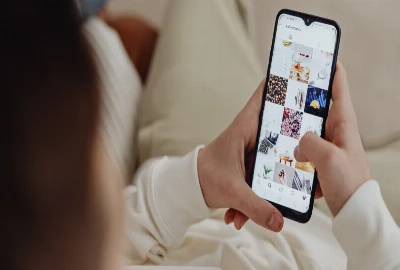
In the age of infinite platforms and limited attention, identity has become a link. Whether on Instagram, TikTok, or X, the “link in bio” serves as a shortcut to who we are, what we sell, and what we stand for. Once a simple web address, it’s now a curated identity hub—a micro-website that encapsulates everything from personal branding to social activism.
The rise of bio-link biographies marks a new phase in digital self-expression where personality, profession, and purpose are condensed into clickable real estate. The link in bio isn’t just functional—it’s existential. It decides what version of you the world sees first.
This blog explores how bio-link tools reshape self-presentation, why identity has become an algorithmic commodity, and how creators can reclaim authenticity in a space where personality is measured in clicks.
The Rise of the Bio-Link Economy: Identity in the Age of Optimization

The One-Link Limitation
When Instagram and other platforms restricted users to a single link in their bios, they inadvertently created a new industry. Services like Linktree, Beacons, and Later emerged to solve this constraint—offering “link-in-bio” pages that act as mini websites. But what began as a convenience soon became a form of identity management. Every creator had to decide: what’s worth linking to when space is limited?
Identity as UX Design
The bio-link page functions as a user interface for the self. A good one isn’t just informative—it’s performative. Colors, emojis, typography, and the order of links all signal tone, values, and priorities. In a world where followers decide in seconds whether to engage, bio-link design becomes identity architecture.
The Birth of the Bio-Link Economy
The explosion of influencer marketing and creator monetization turned the bio link into prime digital real estate. A single click can drive traffic, generate sales, or establish authority. Today, platforms even charge for premium analytics, monetizing not just identity—but the performance of identity. The modern self isn’t just curated—it’s optimized for conversion.
Branding the Self: From Personality to Portfolio

The Aesthetic of Selfhood
In the creator economy, personality is packaging. Your bio-link becomes your storefront—displaying credentials, playlists, merch, or crowdfunding links. This aesthetic of selfhood transforms authenticity into brand language. Even vulnerability becomes stylized, wrapped in pastel templates and call-to-action buttons.
The Professionalization of Personality
Once, résumés belonged to the corporate world. Now, everyone—from artists to activists—curates personal portfolios online. The bio-link merges professional and personal realms, turning human experience into marketable assets. Your trauma, humor, hobbies, and values all become part of your digital résumé.
The Pressure to Be “Link-Worthy”
The downside of this performative transparency is emotional fatigue. When everything from your favorite book to your charity donation becomes a clickable badge of identity, the pressure to maintain relevance intensifies. Followers expect updates, consistency, and alignment. The bio-link, once a static signpost, becomes a living audit of your worth.
The Algorithm of Authenticity: Performing Realness in Clickable Form

Curated Authenticity
In the era of oversharing, authenticity has become strategic. The “real” self is often edited, filtered, and choreographed for engagement. Bio-link biographies extend this logic, offering “authentic” glimpses of personality through curated content. Whether it’s a blog post about burnout or a podcast on purpose, vulnerability becomes algorithm-friendly.
The Metrics of Identity
Analytics dashboards now track link clicks, page time, and bounce rates—not for products, but for people. Data-driven identity reduces complex personalities into performance metrics. The link that gets the most clicks isn’t necessarily the truest—it’s simply the most optimized. Authenticity becomes quantifiable, and therefore, marketable.
The Emotional Labor of Visibility
Maintaining a bio-link biography means constantly updating your narrative to align with trends, aesthetics, and causes. Each update feels like emotional labor—a negotiation between who you are and who the algorithm rewards. Real life becomes a rebrand-in-progress, driven by digital demand rather than personal growth.
Link in Bio, Life on Display: The Collapse of the Personal and Professional

The Hybrid Identity Crisis
Social platforms blur the boundaries between the personal and professional self. Your link in bio might include a CV and a GoFundMe, a merch store and a mental health podcast. This hybrid identity reflects the modern reality where we’re never just one thing—but it also creates a fragmented sense of self.
The Attention Economy of Authenticity
In the attention economy, even our stories compete for engagement. A link to a personal essay might sit beside a sponsorship deal, creating an uneasy tension between intimacy and advertising. The bio link becomes a mirror of capitalism’s reach—turning identity into inventory.
The Politics of Presentation
For marginalized creators, the bio-link is both tool and trap. It offers visibility and control, but also subjects identity to constant consumption. Every click becomes an act of surveillance—by brands, algorithms, or audiences measuring “authenticity” against expectation. In this way, bio-link biographies replicate the inequalities they promise to transcend.
The Commodification of the Self: When Identity Becomes Digital Property

The Monetization of Presence
Platforms like Linktree have transformed from tools into marketplaces. Premium features offer analytics, affiliate links, and e-commerce integration—all designed to monetize visibility. Identity becomes digital property—something owned, managed, and monetized through platform infrastructure.
The Self as Startup
Creators now function as micro-brands, complete with marketing strategies, investor-style analytics, and public image management. The bio link operates like a company homepage—a mission statement for the self. This entrepreneurial selfhood reinforces a cultural message: to exist online is to sell something, even if it’s your authenticity.
The Cost of Constant Optimization
While the bio-link economy promises empowerment, it also demands productivity. Even rest, reflection, and creativity become forms of content. This relentless optimization leads to identity fatigue—the burnout that comes from constantly editing oneself to fit a clickable narrative.
Reclaiming the Link: Building Genuine Digital Identity

Redefining Purpose Over Performance
To resist the pressure of commodified selfhood, creators can redefine their bio-links as reflections of purpose, not performance. Instead of optimizing for clicks, they can curate for connection—sharing resources, projects, or causes that reflect genuine values. The key is alignment over aesthetics.
Practicing Digital Minimalism
Less can be liberating. A minimalist bio link—focused on one meaningful project or message—reduces cognitive and emotional clutter. By treating the link not as a storefront but as a compass, creators can guide audiences toward authenticity instead of attention. Digital minimalism becomes a quiet act of rebellion against algorithmic capitalism.
Decentralizing Identity
New technologies like decentralized web tools and personal domains offer autonomy beyond platform constraints. Owning your digital space means defining your story outside of corporate ecosystems. A personal website or self-hosted link hub allows creators to reclaim their narratives from the homogeny of template-based selfhood.


Anil Polat, behind the blog "FoxNomad," combines technology and travel. A computer security engineer by profession, he focuses on the tech aspects of travel.
Anil Polat
Prev Post
Next Post