
From Stream to Screen: How Social Media Virality Shapes Studio Decisions
From Word-of-Mouth to Algorithmic Momentum
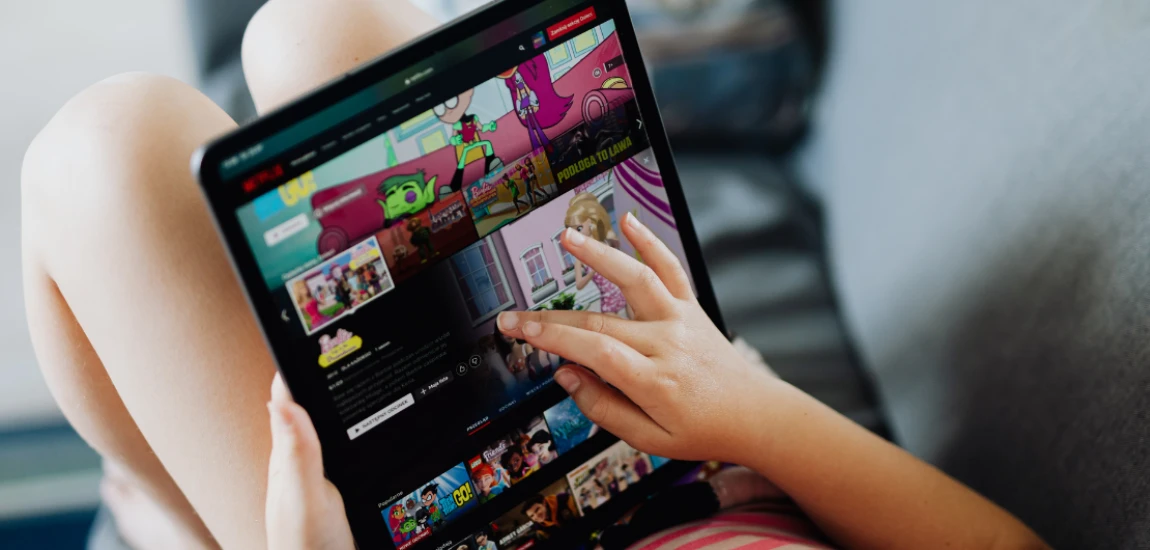
Before the digital age, a movie’s success relied heavily on traditional marketing—trailers, premieres, and reviews. But today, a viral TikTok clip or a trending hashtag can make or break a film overnight. Algorithms amplify emotional reactions, memes spread faster than trailers, and audience feedback loops can turn obscure indie projects into global phenomena. In this new landscape, virality isn’t an aftereffect—it’s a design principle.
Studios as Social Listeners
Major studios now employ digital ethnographers and data analysts to monitor platforms like X (Twitter), TikTok, Instagram, and YouTube. These teams identify rising trends, track fan conversations, and analyze sentiment to guide production and promotion. If a meme from an old show resurfaces or a fan edit gains millions of views, executives take note—it might be time for a reboot, sequel, or spinoff.
The Crowd as Co-Creator
Audiences no longer passively consume; they co-create meaning through reaction videos, remixes, and commentary. The social media ecosystem transforms fans into marketers and curators. This participatory culture gives studios valuable insight into what resonates emotionally, making virality both a compass and a catalyst for creative and business decisions.
Viral Moments as Market Signals: Turning Trends into Greenlights

Fan Demand Drives Production
Social virality can turn obscure properties into high-value IP. Consider the #ReleaseTheSnyderCut campaign, which turned a years-long online movement into a studio-backed production. Similarly, viral love for shows like Brooklyn Nine-Nine and Lucifer led to their resurrection after cancellation. Social data acts as a public demand index—what trends online today may hit theaters tomorrow.
Hashtags as Heat Maps
Hashtags function like cultural temperature checks. A sudden spike in fan art or memes around a character can indicate emotional investment. Studios increasingly use these metrics to gauge potential franchise longevity. For instance, a minor character’s unexpected virality can lead to standalone spin-offs—just look at how Minions evolved from sidekicks to a billion-dollar brand.
Predictive Analytics Meets Pop Culture
AI-powered sentiment analysis helps studios forecast which narratives or aesthetics are likely to perform well. By measuring emotional tone and engagement patterns, they can predict whether a concept will trend positively or spark backlash. This predictive modeling allows decision-makers to reduce risk, blending creative instinct with empirical data.
The Rise of TikTok Aesthetics and Meme-Driven Marketing

Short-Form Storytelling Shapes Visual Culture
TikTok and Instagram Reels have redefined how audiences engage with visual media. Bite-sized clips, dance trends, and lip-sync challenges have trained audiences to crave quick emotional payoffs and visually distinct moments. As a result, filmmakers are designing scenes that “pop” in short form—moments optimized for viral sharing and remixing.
Studios Designing for Shareability
Some studios now create marketing-ready “micro moments” within their films and trailers—memorable one-liners, striking visuals, or emotionally charged beats. These are built to become gifs, memes, or viral edits. This shift marks a move toward platform-native storytelling, where content is engineered not only for cinematic appeal but for digital circulation.
Fan-Generated Buzz as Authentic Marketing
Audiences trust authenticity more than traditional advertising. A fan’s organic excitement on social media carries more weight than a studio campaign. Recognizing this, entertainment marketers now seed early content to creators and influencers, encouraging participatory hype. Viral memes are no longer accidental—they’re often the result of strategic, symbiotic collaborations between studios and fans.
Case Studies: When Social Media Changed Hollywood’s Playbook

“Barbie” and the Meme Economy
Greta Gerwig’s Barbie became a viral sensation months before release. Its marketing team leaned into the meme economy, creating shareable filters, brand collaborations, and viral trailers that turned social anticipation into a global movement. The film’s success proved that viral engagement could translate directly into box office dominance.
“Wednesday” and the Algorithmic Hit
Netflix’s Wednesday became one of the platform’s most-watched shows largely due to its viral dance scene on TikTok. Within days, millions recreated Jenna Ortega’s choreography, boosting engagement and driving record viewership. Netflix capitalized by algorithmically promoting similar gothic-aesthetic shows, showing how virality can inform both marketing and content strategy.
“Squid Game” and Global Crossovers
Squid Game’s overnight rise from Korean sleeper hit to international phenomenon illustrated how social algorithms transcend language barriers. Fan memes, reaction videos, and challenges spread globally, prompting Netflix to invest more aggressively in regional productions. The takeaway? Virality can localize global media—and globalize local stories.
Data Meets Drama: How Studios Integrate Social Metrics into Creative Decisions

Social Data as the New Focus Group
Traditionally, studios relied on small-scale test screenings to gauge audience response. Now, they use social media analytics for real-time feedback on storylines, characters, and even casting decisions. Platforms like Reddit, TikTok, and X serve as vast, unfiltered focus groups that provide continuous audience sentiment data.
Algorithmic Insights in Script Development
Writers’ rooms increasingly consult social data dashboards to identify emerging cultural themes—identity, nostalgia, representation—that resonate with audiences. These insights inform creative direction without dictating it. By blending data science with storytelling intuition, studios can strike the balance between artistic originality and mass appeal.
From Reactive to Proactive Strategy
Social analytics don’t just measure reactions; they shape strategy. Studios now predict cultural waves before they crest—anticipating viral potential during concept development rather than post-production. This proactive approach enables them to ride, and sometimes even create, the next big online trend.
The Future of Virality: Ethics, Authenticity, and the Algorithmic Auteur

The Authenticity Dilemma
As studios increasingly design for virality, authenticity becomes harder to preserve. Over-engineering “viral moments” can backfire if audiences sense manipulation. The challenge lies in balancing strategic design with genuine creative expression—ensuring that stories resonate emotionally, not just algorithmically.
The Ethical Edge of Data-Driven Creativity
Mining social data for creative decisions raises ethical questions. Who owns the cultural output created from collective online behavior? And how do we protect creators whose unpaid work (like memes or edits) fuels corporate marketing? Ethical entertainment practices must ensure fair acknowledgment and cultural respect in this new participatory ecosystem.
The Algorithmic Auteur
We’re entering an era where the “auteur” may be part human, part algorithm. AI tools are already analyzing audience reactions to suggest narrative adjustments or casting matches. But the best storytellers will still be those who interpret data through empathy and intuition—transforming online chaos into cultural coherence.


Known as "Nomadic Matt," Matthew Kepnes offers practical travel advice with a focus on budget backpacking. His blog aims to help people travel cheaper and longer.
Matthew Kepnes
Prev Post

Next Post