
Artificial Intelligence, Automation, and the Future of Entertainment
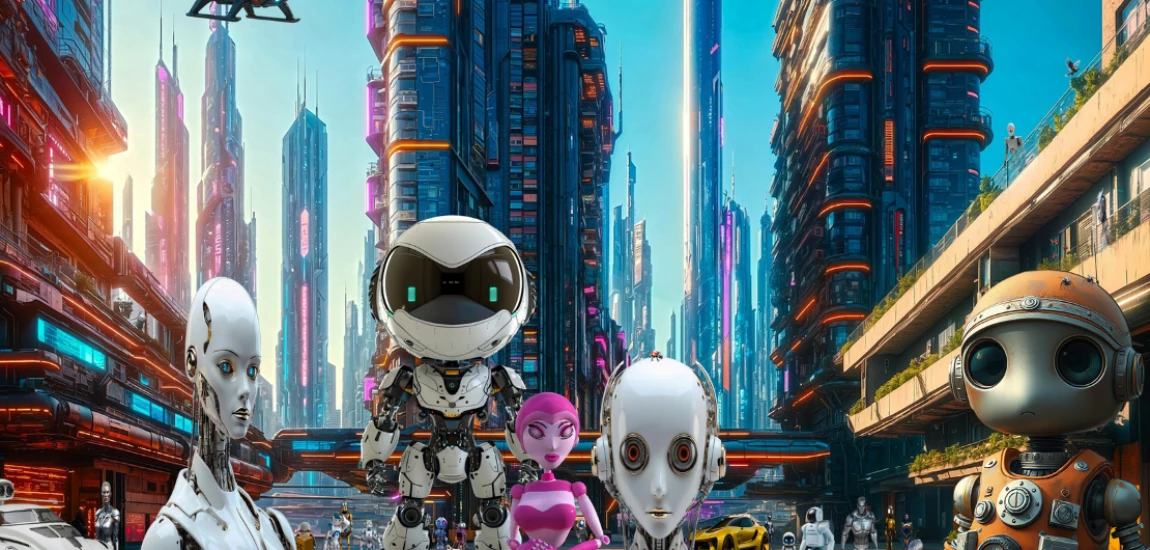
The entertainment industry is entering one of the most transformative periods in its history. Artificial intelligence and automation are no longer experimental tools operating behind the scenes—they are becoming central forces that shape how stories are written, produced, distributed, and consumed. From AI-assisted screenwriting to algorithm-driven streaming platforms, technology is reshaping creative processes at every level.
Traditionally, entertainment relied heavily on human intuition, craftsmanship, and linear workflows. Today, machine learning models analyze audience behavior, automate production tasks, and even generate music, dialogue, and visual effects. This shift raises important questions: Is AI enhancing creativity or replacing it? Will automation democratize entertainment or consolidate power further?
Understanding artificial intelligence and the future of entertainment requires more than surface-level excitement or fear. It demands a closer look at how these technologies function, how they influence creative decisions, and how they redefine the relationship between creators, platforms, and audiences. The future of entertainment is not about machines replacing artists—it is about redefining what creativity looks like in a world where code and imagination coexist.
Artificial Intelligence in Content Creation

AI-Assisted Writing and Story Development
AI tools are increasingly used in early-stage content creation. Machine learning models can analyze thousands of scripts to identify successful narrative patterns, character arcs, and pacing structures. Writers use these insights to refine ideas, brainstorm plotlines, and overcome creative blocks. While AI does not replace human storytelling instincts, it acts as a creative collaborator that accelerates development.
Generative Visuals and Design
AI-generated visuals are transforming concept art, animation, and visual effects. From automated background generation to realistic digital characters, AI reduces production time while expanding creative possibilities. These tools allow smaller studios to achieve cinematic quality without massive budgets.
Music and Sound Creation
AI-generated music and sound design are becoming common in games, trailers, and digital content. Algorithms can compose adaptive soundtracks that change based on mood or user interaction, enhancing immersion. This automation enables scalable creativity while raising debates about originality and authorship.
Automation and Efficiency in Film and Television Production

Streamlining Pre-Production
Automation simplifies pre-production through scheduling software, budgeting algorithms, and virtual location scouting. AI tools predict costs, optimize shooting schedules, and identify logistical risks, allowing producers to make data-informed decisions earlier in the process.
On-Set Automation and Virtual Production
Virtual production technologies combine real-time rendering, LED walls, and AI-powered tracking systems. These tools reduce reliance on physical locations and allow directors to visualize final scenes during filming. Automation enhances precision while minimizing costly reshoots.
Post-Production Acceleration
Editing, color grading, and visual effects benefit heavily from automation. AI can sort footage, detect the best takes, and apply stylistic adjustments automatically. Editors retain creative control while offloading repetitive tasks, increasing efficiency without sacrificing quality.
AI-Driven Personalization and Audience Experience

Recommendation Algorithms
Streaming platforms rely on AI to personalize content discovery. Algorithms analyze viewing habits, preferences, and engagement patterns to recommend films and series. This personalization increases viewer retention but also influences which content gains visibility.
Interactive and Adaptive Storytelling
AI enables entertainment experiences that respond to audience choices. Interactive films, games, and virtual experiences adapt narratives in real time, creating personalized story paths. This marks a shift from passive consumption to participatory engagement.
Global Accessibility and Localization
Automation supports multilingual dubbing, subtitling, and cultural adaptation. AI-powered localization allows content to reach global audiences faster, expanding the international reach of entertainment while reducing production barriers.
The Impact of AI on Creative Roles and Jobs

Redefining Creative Professions
AI reshapes creative roles rather than eliminating them. Writers, editors, and designers increasingly work alongside intelligent tools that enhance productivity. New roles emerge, such as AI trainers, prompt designers, and creative technologists.
Skill Shifts and Adaptation
As automation handles technical tasks, creative professionals must develop hybrid skills that combine artistry with technological literacy. Understanding AI workflows becomes essential for staying relevant in the evolving entertainment landscape.
Ethical and Labor Considerations
The integration of AI raises ethical concerns around credit, compensation, and ownership. Clear frameworks are needed to protect creative labor while embracing innovation. Transparency and fair use will shape the sustainable future of AI-driven entertainment.
Automation in Gaming, Music, and Interactive Media

Procedural Content Generation in Games
AI-driven procedural generation creates expansive game worlds, adaptive challenges, and dynamic narratives. This automation allows developers to build richer experiences while maintaining scalability.
AI in Music Production and Distribution
Music platforms use AI to analyze trends, recommend artists, and even assist in songwriting. Automation reshapes how music is discovered and monetized, empowering independent creators while changing industry economics.
Immersive Experiences and Virtual Worlds
AI supports real-time interactions in virtual reality and metaverse environments. Automated avatars, intelligent NPCs, and adaptive environments enhance realism and engagement, blurring the line between entertainment and simulation.
The Future of Entertainment in an AI-Driven World

Balancing Creativity and Technology
The future of entertainment depends on balance. AI excels at optimization and scale, but human creativity provides meaning, emotion, and cultural context. Successful projects integrate both strengths rather than prioritizing one over the other.
Regulation and Responsible Innovation
As AI becomes more powerful, regulation will play a crucial role. Ethical standards, copyright frameworks, and transparency policies must evolve alongside technology to ensure responsible innovation.
A New Era of Storytelling
Artificial intelligence and automation expand what entertainment can be. From personalized narratives to global collaboration, the future promises richer, more inclusive storytelling experiences that reflect both human imagination and technological progress.


Gilbert Ott, the man behind "God Save the Points," specializes in travel deals and luxury travel. He provides expert advice on utilizing rewards and finding travel discounts.
Gilbert Ott

Prev Post

Next Post