
Algorithmic Intimacy: Love, Data, and the Quantified Heart
Defining Algorithmic Intimacy
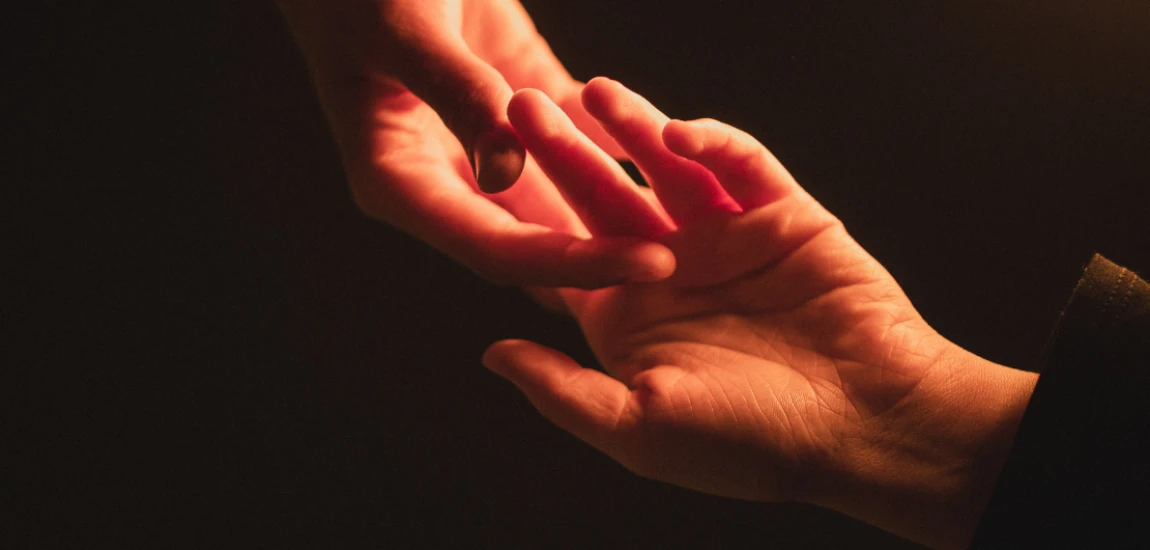
Algorithmic intimacy describes how technology, particularly data-driven algorithms, mediates emotional relationships. Every swipe, text, and like is a form of emotional data—inputs that platforms analyze to shape human connection. Whether it’s a dating app predicting attraction or Spotify recommending love songs, algorithms have become silent partners in our emotional lives.
The Digital Mediation of Love
In the 21st century, most romantic relationships begin or develop through technology. Platforms like Tinder, Bumble, and Hinge use behavioral analytics to suggest compatible matches. This has normalized algorithmic matchmaking, where compatibility isn’t just chemistry—it’s code.
From Chance Encounters to Calculated Matches
Serendipity has been replaced by sophisticated data sorting. What once relied on intuition is now refined through machine learning models that process vast emotional and social data points. The result is a love landscape that’s optimized, predictable, and often eerily accurate.
The Quantified Heart: When Emotions Become Data

Biometric Tracking and Emotional Analytics
Wearable devices and emotion-recognition technologies have begun quantifying what was once unquantifiable. Heart rate variability, tone of voice, and facial expressions are now data streams that algorithms interpret as emotional states.
Data as the New Love Language
Emotional data fuels predictive insights. Companies like Replika and Woebot analyze users’ conversational cues to detect mood shifts and emotional needs. This turns feelings into feedback loops—helping users understand themselves through data dashboards.
Emotional AI and the New Empathy Economy
AI companions are being designed to simulate affection, offering emotional support without human unpredictability. As machine learning models become better at recognizing empathy, they redefine what emotional intimacy looks like in the digital age.
Love in the Time of Algorithms: Dating Apps and Digital Desire

The Architecture of Attraction
Dating apps are designed with gamified interfaces—swipes, matches, and dopamine-driven feedback loops. These design features encourage continuous engagement, subtly conditioning users to equate matches with validation rather than connection.
Personalization and Predictive Love
Using behavioral data, algorithms refine matchmaking over time. They study micro-interactions—how long you look at a photo, when you respond—to improve predictions about who you’ll like next. This personalizes love in unprecedented ways.
The Illusion of Choice
While dating apps promise freedom and endless options, they often narrow possibilities based on data optimization. Algorithms nudge users toward certain profiles, effectively curating emotional experiences in invisible ways.
Emotional Design and the UX of Love

Designing for Emotional Engagement
Every pixel and prompt in dating apps is engineered for emotional impact. From color schemes to haptic feedback, emotional design keeps users connected not just to each other—but to the platform itself.
Dopamine Loops and the Attention Economy
Notifications, streaks, and reward cycles stimulate the brain’s pleasure centers. Algorithmic intimacy thrives on engagement metrics, where love becomes intertwined with user retention strategies.
Ethical UX and Human-Centered Design
Designers now face a moral question: how can we create digital spaces that encourage meaningful connection without exploiting psychological vulnerability? Ethical UX aims to balance profit with genuine emotional well-being.
Data, Desire, and the Psychology of Matching

Predictive Compatibility and Personality Models
Platforms rely on psychometrics—analyzing user behavior to model personality compatibility. AI matches individuals based on shared interests, linguistic patterns, and inferred traits, claiming to know us better than we know ourselves.
Algorithmic Bias in Love
Even love algorithms inherit human bias. Data sets reflect social inequalities, reinforcing stereotypes related to race, gender, and attractiveness. This raises ethical questions about who gets seen—and who doesn’t—in the algorithmic gaze.
The Paradox of Predictability
The more predictable love becomes, the less magical it feels. Data can optimize compatibility but not chemistry. Algorithmic intimacy creates efficient relationships, but it risks stripping away the spontaneity that defines human connection.
The Rise of AI Companionship

From Virtual Lovers to Emotional Machines
AI companions like Replika or ChatGPT-based partners simulate emotional presence. They provide validation, companionship, and understanding—without the friction of real-world relationships.
Synthetic Intimacy and Emotional Substitution
AI partners cater to emotional needs unmet in human relationships. While this offers therapeutic comfort, it also blurs boundaries between authentic emotion and programmed empathy.
The Future of Emotional Robotics
Advancements in robotics and affective computing hint at future relationships where emotional satisfaction can be designed. This challenges the definition of intimacy itself—what does it mean to love something that learns to love you back?
Surveillance, Consent, and the Data of Desire

Privacy in the Age of Digital Affection
Every romantic gesture online leaves a digital trace. Conversations, preferences, and emotional states become part of massive data ecosystems, often monetized or repurposed by platforms.
The Ethics of Emotional Data
Unlike financial or health data, emotional data is rarely regulated. Companies can infer mood patterns or mental health indicators without explicit consent, creating a new form of emotional surveillance capitalism.
Transparency and Digital Trust
Users demand greater transparency about how their intimate data is used. Ethical data practices and clear consent mechanisms are essential to restoring trust in algorithmic systems.
The Feedback Loop of Feelings

Algorithms That Learn Love
Machine learning models continuously refine predictions based on user feedback. Every like or match teaches the system more about human attraction, creating a self-reinforcing loop.
Emotional Conditioning and Reinforcement
By responding to algorithmic prompts, users unknowingly train themselves to behave in ways that align with platform logic—turning emotions into predictable inputs.
Escaping the Emotional Algorithm
Breaking this loop means engaging more consciously with technology—being aware of when your emotional responses are genuine versus when they’re data-driven behaviors.
Beyond the App: Algorithmic Intimacy in Everyday Life

Smart Homes and Emotional Environments
Voice assistants and smart devices now sense tone, stress, and mood, adjusting lighting, music, or temperature accordingly. Our environments are becoming emotionally responsive.
Quantified Self, Quantified Relationships
Fitness trackers and sleep monitors quantify compatibility through shared data metrics. Couples compare heart rates and sleep cycles, turning relationships into data dashboards.
The Blurring of Public and Private Emotion
Social media encourages public displays of affection, quantified through likes and engagement. This creates performative intimacy—where love exists not just for one another, but for the algorithmic audience.
The Future of Love: Can Humanity Survive Its Own Code?

Redefining Connection in the Age of Data
As algorithms mediate more aspects of affection, the challenge lies in reclaiming human agency. Love must evolve without losing its irrational, unpredictable essence.
Building Ethical Algorithms for Intimacy
Developers and ethicists are working toward transparent, fair, and emotionally intelligent AI systems that prioritize empathy over engagement.
Toward a More Conscious Digital Intimacy
Algorithmic intimacy doesn’t have to diminish love—it can deepen it. By understanding the systems that shape our emotions, we can create relationships that balance data with authenticity, connection with consciousness.


Gary Arndt operates "Everything Everywhere," a blog focusing on worldwide travel. An award-winning photographer, Gary shares stunning visuals alongside his travel tales.
Gary Arndt
Prev Post

Next Post