
Cognitive Design: UX, Dopamine, and the Architecture of Behavior
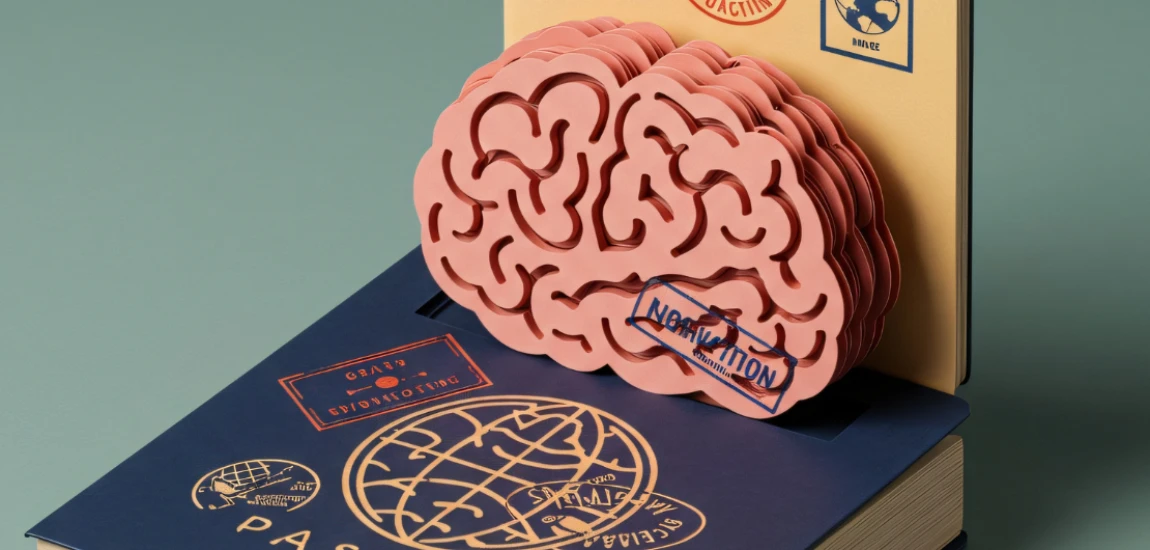
The psychology behind digital interactions
Cognitive design sits at the intersection of design, psychology, and behavioral science. It’s about understanding how humans perceive, process, and respond to digital experiences. Unlike traditional UX that focuses on usability alone, cognitive design integrates mental models, memory processes, and emotional triggers to guide how users think and feel while using a product. Designers don’t just design buttons or layouts—they design decisions and feelings.
From intuition to intention
What makes an interface feel “intuitive” isn’t magic—it’s psychology. The way users scan a page, remember a logo, or predict what a button will do is deeply cognitive. Good cognitive design ensures that every visual cue, animation, and sound aligns with how the brain naturally operates. By matching mental expectations with design logic, products feel effortless, even addictive.
Why cognitive design matters now
In an era of endless scrolling and app fatigue, cognitive design ensures that digital experiences remain humane. It’s not only about capturing attention but also about creating meaningful, sustainable engagement. Understanding how thought, emotion, and habit intertwine is the new competitive edge in UX strategy.
The Dopamine Effect: Designing for Reward and Engagement

The brain’s reward circuitry in UX
At the heart of user engagement lies dopamine—the neurotransmitter that signals pleasure, anticipation, and motivation. Apps and platforms use dopamine-triggering mechanisms to keep users hooked: likes, notifications, streaks, and surprise rewards. This creates a feedback loop where every tap promises a potential hit of satisfaction.
How dopamine shapes digital habits
When users get a reward—like a comment, badge, or viral post—dopamine spikes. When the reward is unpredictable, it spikes even higher. This variable reward system mirrors the psychology behind slot machines and social media feeds alike. Designers who understand this can either exploit or responsibly harness it. The goal isn’t always manipulation—it’s engagement through emotional design.
Ethics in dopamine design
The dark side of dopamine-driven UX is addiction. Overstimulating the brain’s reward pathways leads to compulsive checking, anxiety, and attention fatigue. Ethical cognitive design acknowledges this and seeks balance—rewarding users for meaningful actions rather than shallow interactions. Designers must ask: “Are we building tools for empowerment or dependence?”
Attention Architecture: Guiding the Eye and the Mind

Designing for cognitive flow
Attention is the most valuable currency in digital design. Cognitive design treats it as an architectural challenge—how to guide focus without overwhelming the senses. Flow happens when a user’s goals, skills, and challenges align seamlessly. Good design directs attention through hierarchy, contrast, and rhythm.
Micro-interactions and visual cues
Every hover, vibration, or animation is a micro-interaction that communicates with the brain. These small cues act as behavioral reinforcements, signaling success, progress, or delight. Thoughtful motion design or subtle feedback helps users predict outcomes, reducing mental load and boosting satisfaction.
The limits of attention
Cognitive load theory reminds us that humans can only process a few pieces of information at once. Overloading users with options, pop-ups, or flashing banners creates frustration. Minimalism isn’t just aesthetic—it’s neurological. The best cognitive designers craft clarity, not clutter, ensuring attention is a guided journey, not a cognitive battle.
Emotional UX: Designing for Feeling, Not Just Function

The role of affective design
Emotional UX goes beyond usability—it builds trust, attachment, and empathy. The color of a button, the tone of a notification, or the humor in microcopy all influence emotional response. Users remember how an interface made them feel more than what it made them do.
Storytelling through interaction
Cognitive design leverages storytelling to evoke emotion. A loading screen that celebrates progress or an onboarding flow that feels like a journey transforms tasks into experiences. The brain loves narrative—it finds meaning through cause and effect. Designers who embed story logic into their interfaces tap into the most ancient form of cognition.
Emotional resonance and brand memory
Brands that design emotionally resonant experiences—think Spotify’s “Wrapped” or Duolingo’s encouraging owl—create long-term memory traces. These positive affective cues activate associative memory, linking the brand to comfort, joy, or achievement. Emotional UX thus becomes a cognitive anchor for brand loyalty.
Behavioral Architecture: From Nudges to Habits

Designing digital behavior loops
Behavioral architecture involves shaping how users act, not just how they feel. Using cues, triggers, and feedback, designers build behavioral loops that encourage repetition. Apps like Headspace, Fitbit, and Calm use streaks, reminders, and progress tracking to form healthy habits through consistent reinforcement.
The power of the nudge
A “nudge” is a subtle design element that guides users toward beneficial choices without forcing them. For example, highlighting “recommended” plans or default privacy settings leverages cognitive biases for positive outcomes. This concept, rooted in behavioral economics, shows how cognitive design can ethically shape behavior through gentle persuasion.
Habit formation and user loyalty
Habits form when cues and rewards align over time. Cognitive designers use repetition, emotional consistency, and clear feedback to embed products into daily life. But the best designs go beyond habit—they foster identity. When users see a tool as part of who they are, the behavior sustains itself naturally.


Derek Baron, also known as "Wandering Earl," offers an authentic look at long-term travel. His blog contains travel stories, tips, and the realities of a nomadic lifestyle.
Derek Baron

Prev Post

Next Post