
Holo-Culture: The Coming Boom of 3D Mixed-Reality Entertainment Spaces
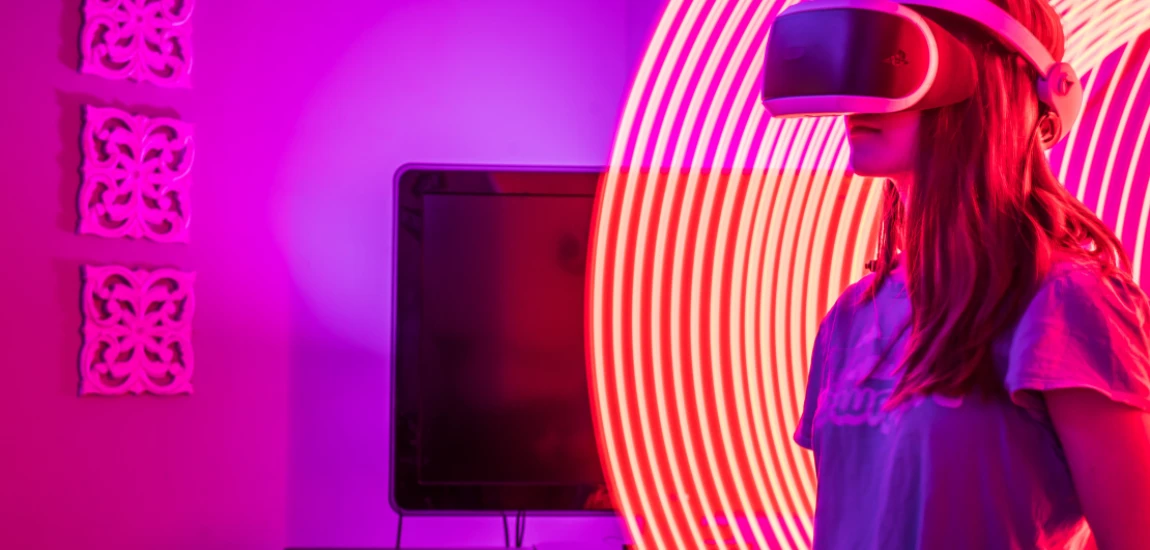
The dawn of mixed-reality culture
We stand at the threshold of a new cultural evolution—Holo-Culture, where holograms, augmented reality (AR), and virtual reality (VR) merge to redefine entertainment, storytelling, and social connection. The digital world is no longer confined to screens; it’s spilling into physical space, turning our environment into a living, interactive stage.
Beyond screens and headsets
What was once the domain of science fiction—concerts with holographic performers, immersive 3D art galleries, and AR-powered sports arenas—is now rapidly becoming a commercial and cultural reality. Thanks to advances in 3D rendering, volumetric capture, and spatial computing, mixed-reality spaces are emerging as the next frontier of entertainment.
Why Holo-Culture matters now
In a post-pandemic era of hybrid living, people crave experiences that feel both digital and human. Mixed-reality entertainment bridges that divide. It’s immersive but social, technological yet tangible. As global investments in extended reality (XR) surpass billions annually, the entertainment industry is shifting from flat screens to full environments—ushering in an era where culture is no longer viewed, but lived.
The Technology Powering 3D Mixed-Reality Spaces

Volumetric capture and holographic presence
At the heart of 3D mixed-reality spaces lies volumetric video capture—a technique that records real-life subjects from multiple angles to create lifelike holograms. These digital beings can move, speak, and interact with audiences in real-time, enabling everything from holographic concerts to mixed-reality theater.
Spatial computing and real-world mapping
Spatial computing—pioneered by companies like Apple, Meta, and Magic Leap—enables devices to understand and interact with the physical environment. By mapping surfaces, depth, and lighting conditions, it anchors virtual objects in real space, making holograms appear naturally integrated into the world around us.
Cloud rendering and the future of accessibility
The next major leap is cloud-based rendering, which allows users to experience high-resolution 3D environments without expensive hardware. With 5G and edge computing, holographic content can be streamed instantly to AR glasses or smart devices, democratizing access to mixed-reality entertainment.
These technological advances collectively form the backbone of Holo-Culture—one that blends immersive realism with seamless connectivity.
Entertainment Reimagined: From Virtual Concerts to 3D Cinemas

The rebirth of live performance
Imagine attending a live concert where your favorite artist performs as a hologram in multiple cities simultaneously. This isn’t theoretical—it’s already happening. Artists like ABBA and Tupac have been digitally resurrected, while holographic tours and AR-enhanced venues are redefining what “live” means. Fans no longer need to travel; the show comes to them.
Immersive film experiences
Mixed-reality cinema is the next evolution of storytelling. Instead of passively watching a screen, viewers step into the story. Imagine walking through a 3D recreation of a movie scene, interacting with characters, and influencing the narrative. The line between audience and actor dissolves, creating a new form of interactive narrative immersion.
Gaming and participatory worlds
For gamers, 3D mixed-reality spaces offer infinite playgrounds. Games can spill from digital screens into the player’s surroundings—walls become portals, furniture transforms into obstacles, and holographic characters move through real space. Platforms like Niantic’s AR Cloud are already paving the way for persistent shared worlds that exist in both digital and physical dimensions.
This transformation represents not just an upgrade in entertainment, but a fundamental redefinition of how stories and experiences are shared.
The Social Dimension: When Reality Becomes a Shared Experience

Holographic social spaces
The rise of social mixed-reality hubs—virtual plazas, museums, and clubs where holograms of people interact—is redefining the meaning of community. Instead of avatars trapped in headsets, holographic representations of users can appear in physical environments, allowing hybrid gatherings that blend presence and distance seamlessly.
Cultural events and public installations
Cities are beginning to experiment with holographic art installations and 3D festivals that engage passersby in interactive ways. Imagine public spaces where digital sculptures respond to human gestures or where street performances include both live and holographic actors. These events create cultural ecosystems that merge tourism, technology, and art.
Collaboration and education
Beyond entertainment, mixed-reality environments have powerful implications for learning and collaboration. Students can walk through ancient ruins in 3D, engineers can co-design prototypes in holographic workspaces, and doctors can train using volumetric simulations. In Holo-Culture, education becomes experiential, not theoretical.
By enabling social connection through holographic presence, these technologies are making the virtual world feel profoundly human again.
The Economics of Holo-Culture: A New Creative Economy

Monetizing immersive experiences
The economic potential of Holo-Culture is immense. Analysts predict the global XR market could exceed $1 trillion by 2030, driven largely by entertainment, retail, and live events. Artists can now sell holographic performances, brands can host 3D pop-up stores, and developers can create monetizable immersive experiences using blockchain-backed digital ownership models.
NFTs and spatial assets
In mixed-reality spaces, digital assets take physical form. NFTs (non-fungible tokens) can represent holographic art, virtual real estate, or exclusive access to 3D events. Imagine owning a holographic sculpture that only appears in certain AR-enabled locations—blurring the boundaries of ownership and experience.
New business models for creators
Traditional revenue models are evolving. Instead of single-ticket sales or static subscriptions, creators can now monetize through ongoing holographic engagements, interactive merchandise, or live digital residencies. Venues are also adapting—designing modular spaces that can host both physical and holographic performances simultaneously.
In essence, Holo-Culture is not just changing how entertainment is consumed—it’s transforming the very economics of creativity.
Challenges, Ethics, and the Road Ahead

Privacy and surveillance concerns
With mixed-reality tech comes heightened concern about data collection and surveillance. Spatial mapping requires cameras and sensors that continuously record surroundings, raising questions about who owns that data and how it’s stored. Ensuring ethical governance will be critical as public and private spaces merge digitally.
The authenticity paradox
As holographic performances become indistinguishable from live ones, society will need to grapple with authenticity. When audiences cry or cheer for a hologram, what does it mean for emotional truth? The authenticity paradox—where simulated experiences feel more real than reality—will become a central cultural debate in the coming years.
Building inclusive and sustainable realities
The mixed-reality revolution must prioritize accessibility and inclusion. High costs, hardware limitations, and digital divides could risk making Holo-Culture an experience for the privileged few. Sustainable design, open standards, and equitable access are essential to ensure this new cultural landscape benefits all.
Despite these challenges, the trajectory is clear: mixed-reality is becoming the new cultural infrastructure—a hybrid realm where imagination, technology, and emotion converge.


Ben Schlappig runs "One Mile at a Time," focusing on aviation and frequent flying. He offers insights on maximizing travel points, airline reviews, and industry news.
Ben Schlappig

Prev Post
Next Post