
AI Voice Culture: How Synthetic Speech Is Redefining Performance
Understanding AI-generated speech
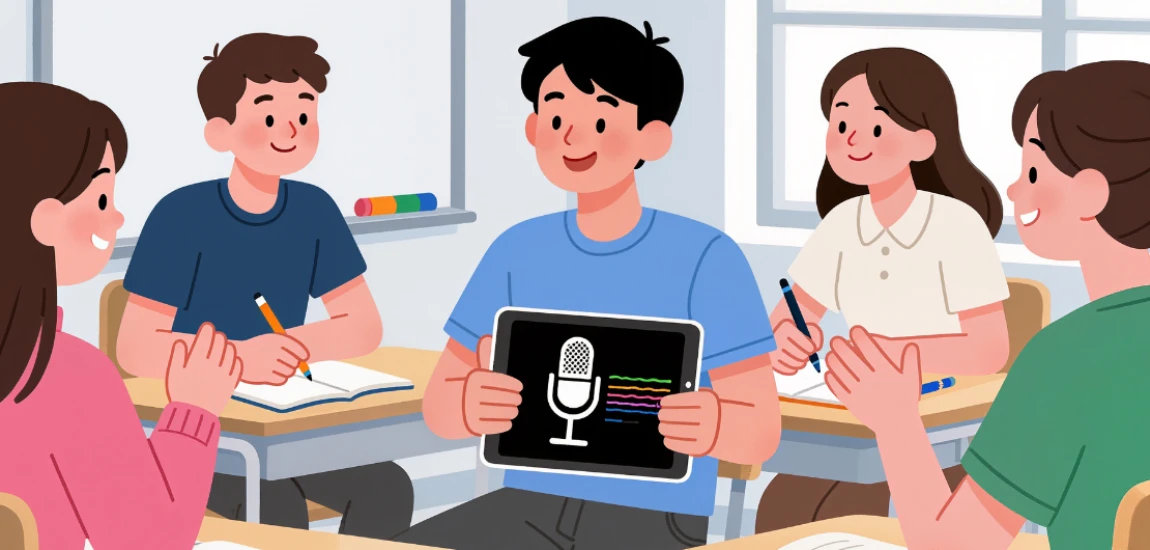
AI voice culture refers to the growing use of synthetic voices in creative and professional contexts. Unlike traditional text-to-speech technology, modern AI-generated voices can replicate human emotion, tone, and cadence with impressive accuracy. Using deep learning models trained on large datasets, AI can produce voices that sound indistinguishable from real human performers. This has opened up new avenues for media, gaming, animation, and music, redefining what “performance” means in the 21st century.
The historical evolution of synthetic speech
Synthetic speech isn’t entirely new—early TTS systems in the 1980s and 1990s were robotic and monotonous. However, recent breakthroughs in neural networks and generative AI have dramatically improved voice quality. This evolution has coincided with broader interest in AI-generated content, including music, text, and art, creating a fully immersive AI performance ecosystem. As a result, AI voice culture is no longer a novelty—it is becoming a mainstream tool for creators and performers.
Cultural fascination with AI voices
Audiences are captivated by AI voices because they blur the line between human and machine. These voices can mimic celebrities, historical figures, or entirely new personas, creating interactive and immersive experiences. The novelty factor attracts attention, but the deeper cultural appeal lies in the idea of expanding human creativity. AI voice culture allows storytellers and performers to explore soundscapes and vocal possibilities that were previously unattainable.
Applications of AI Voice in Performance

Music and virtual concerts
AI-generated voices are increasingly used in music production and virtual performances. Artists can create virtual duets with AI-generated versions of famous singers or produce entirely synthetic albums. Virtual concerts featuring AI voices can reach global audiences without the physical limitations of touring, opening new revenue streams and audience engagement opportunities.
Voice acting and animation
In animation, gaming, and film, AI voices reduce production costs and increase flexibility. Characters can be given unique, fully realized voices without relying on human actors for every scene. This is particularly useful for indie studios or projects with tight budgets. AI can also assist in translating performances into multiple languages while maintaining vocal nuance and character identity, making storytelling more accessible worldwide.
Accessibility and assistive technology
Beyond entertainment, AI voice culture enhances accessibility. Synthetic speech can provide high-quality narration for the visually impaired, automated announcements, and interactive digital assistants. These applications improve inclusivity and enable more people to experience media content, creating a broader cultural footprint for AI-generated voices.
The Ethics of AI Voice Culture

Consent and voice replication
One of the biggest ethical concerns involves replicating a person’s voice without consent. AI can mimic celebrity or individual voices, raising questions about intellectual property, privacy, and personal rights. Creators must navigate legal frameworks and obtain permissions to avoid misuse or exploitation.
Deepfake and authenticity challenges
The ability of AI voices to sound indistinguishably human introduces risks of deception. Deepfake audio can spread misinformation, impersonate individuals, or manipulate public perception. As AI voice culture grows, ensuring transparency and establishing trust with audiences becomes critical. Platforms and creators are exploring watermarks, disclaimers, and ethical guidelines to mitigate these risks.
Balancing innovation with responsibility
While AI voice culture opens creative possibilities, ethical boundaries must be maintained. Responsible use includes securing consent, respecting intellectual property, disclosing AI involvement in content, and avoiding manipulative practices. Establishing industry standards ensures AI voices remain a tool for innovation rather than exploitation.
The Creative Potential of Synthetic Speech

Expanding vocal possibilities
AI voices allow performers to explore vocal ranges, timbres, and effects that might be physically impossible for humans. Singers can create hyper-realistic harmonies with themselves, experiment with surreal vocal textures, or craft entirely new sonic identities. This creative freedom encourages experimentation and innovation in music and voice performance.
Collaborative human-AI performances
Artists can co-create with AI, treating the synthetic voice as a collaborative partner. Composers, writers, and voice actors can generate drafts, experiment with phrasing, and iterate quickly using AI tools. This synergy between human intuition and AI capability fosters novel artistic expressions and hybrid performance experiences.
Interactive and immersive storytelling
AI voice culture enhances interactive storytelling by providing dynamic, real-time vocal responses in games, VR experiences, and digital narratives. Characters can react to user input with appropriate emotional intonation, making digital environments more lifelike and engaging. This technology transforms passive media consumption into immersive, participatory experiences.
Challenges and Limitations of AI Voice Technology

Technical limitations and realism
Despite significant advancements, AI voices can still struggle with perfect emotional nuance, subtle inflections, or context-specific emphasis. While they may sound highly realistic in controlled samples, live applications with dynamic dialogues can reveal limitations. Continuous improvements in machine learning and dataset diversity are essential to enhance realism.
Over-reliance on synthetic voices
As AI voice culture grows, there is a risk of over-reliance, potentially reducing opportunities for human performers. While AI can complement creative work, human vocal artistry remains irreplaceable, especially for emotional depth and cultural nuance. Balancing AI-generated and human performances ensures creativity is enriched rather than supplanted.
Accessibility versus authenticity trade-offs
While AI voices increase accessibility, they may also reduce authenticity or perceived emotional connection. Synthetic speech can feel mechanical or lack subtle human imperfections, which are often key to storytelling and audience engagement. Creators must carefully consider where and how to deploy AI voices to maximize both inclusivity and audience resonance.
The Future of AI Voice Culture

Integration with emerging technologies
AI voice culture will increasingly integrate with AR, VR, metaverse platforms, and AI-generated content ecosystems. Real-time AI voice synthesis can enhance virtual worlds, provide multilingual performance options, and allow interactive storytelling experiences previously unimaginable. These integrations will redefine performance boundaries in entertainment, education, and communication.
Democratization of performance
As AI voice tools become more accessible, independent creators and small studios can produce high-quality voice content without extensive budgets. This democratization allows more voices to participate in digital storytelling, promoting diversity, experimentation, and new forms of creative expression.
Redefining human-AI collaboration
The future of AI voice culture is not about replacing humans—it is about collaboration. Creators, performers, and AI can co-exist to push the limits of artistic expression, blending emotional intelligence with computational precision. As tools evolve, AI voices will become standard instruments in performance, expanding the very definition of what it means to perform.


Shivya Nath authors "The Shooting Star," a blog that covers responsible and off-the-beaten-path travel. She writes about sustainable tourism and community-based experiences.
Shivya Nath

Prev Post
Next Post