
The Pause Aesthetic: How “Stillness” Became the New Cinematic Language
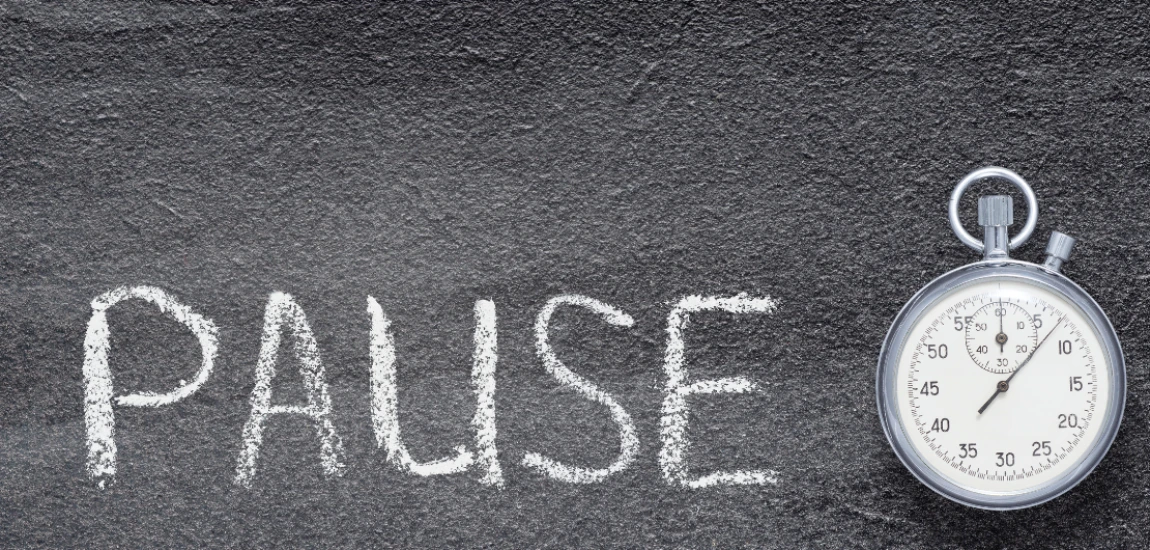
Stillness has always existed in film, but the pause aesthetic has evolved into a conscious stylistic choice—one that favors minimalism, silence, and subtle emotional gestures. Unlike traditional pacing that relies on constant movement, rapid cuts, and loud narrative beats, the pause aesthetic embraces slowness as a form of expression. Directors use visual stillness to allow emotions to breathe, ideas to settle, and characters to exist without the pressure of constant plot-driven action.
The emotional power of cinematic stillness
This subheading explains how stillness gives viewers space to feel. When a scene pauses, the audience is invited to sit inside a character’s internal world. Long silent frames allow the emotional weight of a moment to deepen. Instead of being told how to feel through dialogue or music, we sense it through the absence of movement. This creates richer emotional immersion and introspection.
Why modern audiences crave visual quiet
Digital life is fast, chaotic, and overstimulating. Because audiences are bombarded with endless content, the quiet aesthetic of stillness feels refreshing—almost rebellious. Many viewers seek films that allow them to slow down, reflect, and experience a different pace of being. The pause aesthetic delivers precisely what modern life lacks: space.
How pause-based storytelling reshapes narrative expectations
Stillness challenges traditional narrative formulas by shifting the focus from plot to presence. Instead of pushing forward with constant action, the story unfolds through ambiance, character layers, and subtle gestures. This change allows filmmakers to explore emotional nuance and atmospheric depth, making the narrative feel more naturalistic and human.
Historical Roots: How Minimalism and Slow Cinema Paved the Way

The pause aesthetic didn’t appear suddenly—it evolved from decades of minimalist and slow cinema traditions. Filmmakers such as Andrei Tarkovsky, Yasujirō Ozu, Chantal Akerman, and Béla Tarr pioneered slow, meditative storytelling long before today’s audiences celebrated it. Their films treated time as an essential element of storytelling rather than something to compress or escape from.
The influence of global slow cinema movements
Global slow cinema introduced techniques such as extended shots, minimal dialogue, and atmospheric soundscapes. This subheading explores how directors used duration and silence to represent reality more authentically. The lack of fast editing encouraged viewers to spend time with characters and environments, developing empathy through observation rather than instruction.
Minimalism as a cinematic philosophy
Minimalist filmmaking values restraint. This approach strips away excess—sound, dialogue, movement—until only the essential remains. Minimalism influenced the pause aesthetic by proving that simplicity can create profound emotional effects. Still images, sparse frames, and muted gestures become powerful storytelling tools.
How classic influences appear in modern films
Today’s film landscape is filled with directors who reinterpret these origins. Modern streaming series, A24 dramas, European indies, and award-winning festival films often echo slow cinema principles. They use silence and visual emptiness not as nostalgic homage but as new language for contemporary emotions such as isolation, longing, or existential reflection.
The Visual Architecture of Stillness: How Filmmakers Use the Pause Aesthetic

The pause aesthetic is more than simply “slowing down”—it is an intentional design strategy. Directors use cinematography, composition, lighting, and editing to create moments of visual quiet. Each element contributes to the emotional and narrative impact of stillness.
Long takes that stretch emotional time
Long takes build tension, intimacy, or contemplation by refusing to cut away. This subheading explains how lingering shots force the audience to fully absorb the moment. Instead of relying on editing to guide emotion, filmmakers rely on the weight of time. These takes often generate unease, empathy, or meditative calm, depending on the scene.
Static frames that focus attention on subtle detail
Static shots remove camera movement so that viewers focus on micro-gestures—an eye twitch, a breath, a shifting shadow. This stillness turns ordinary actions into meaningful signals. Even a simple scene of a character sitting alone can carry immense narrative depth when framed within intentional stillness.
Silence as a narrative instrument
Silence isn’t the absence of sound; it’s an emotional amplifier. Removing musical cues allows raw atmosphere to surface: wind, breathing, distant sounds. These sonic details immerse viewers in a sensory world that feels authentic and deeply personal. Silence heightens tension and encourages introspection, making it a key component of the pause aesthetic.
Why Stillness Resonates: Psychological and Emotional Effects on Viewers

Cinematic stillness affects viewers on biological and emotional levels. When the film slows, the viewer slows. When the scene pauses, the viewer’s attention narrows. The pause aesthetic creates a psychological environment unlike fast-paced cinema—one that fosters heightened emotional engagement and deeper cognitive processing.
Slowing the viewer’s internal rhythm
Stillness helps regulate emotional pace. Instead of overstimulating the senses, it synchronizes viewers with the rhythm of the scene. The body relaxes, breathing slows, and the mind focuses. This mirrors meditation, where quiet creates clarity. The pause aesthetic activates this same effect.
Enhancing emotional authenticity
Fast editing can manipulate feelings artificially. Stillness, however, creates emotional truth. When a scene lingers, emotions unfold naturally. Viewers interpret the moment without being told what to feel. This encourages more authentic and personal emotional responses, making characters feel more human and complex.
Creating tension through absence
Stillness is powerful because it can also generate suspense. When action pauses, the audience anticipates. The uncertainty of “what comes next” builds psychological tension. This is why thrillers and dramas often use stillness strategically—it heightens stakes by forcing viewers to wait, wonder, and worry.
The Pause Aesthetic Across Genres and Platforms

Although often associated with arthouse cinema, the pause aesthetic now appears in mainstream genres, streaming series, documentaries, and even commercial filmmaking. Its flexibility proves that stillness is a storytelling tool, not a genre constraint.
Drama and character-driven storytelling
In dramas, stillness serves emotional depth. Paused scenes allow characters to reveal inner conflict without words, giving viewers intimate insight into motive and emotion. It makes interpersonal moments feel raw and real.
Horror and suspense films
Stillness is one of horror’s most effective tools. Empty spaces, silent rooms, and long static shots amplify dread. The pause aesthetic builds tension by weaponizing quiet, making the unknown feel closer and more threatening.
Streaming series and their new visual pacing
Streaming platforms encourage alternative pacing because episodes aren’t restricted by broadcast timing. Many series incorporate slower sequences, long atmospheric moments, and quiet transitions to create immersive world-building. The pause aesthetic is now a signature of prestige TV, especially in psychological dramas, sci-fi mysteries, and character-focused narratives.
The Future of Cinematic Stillness in a Fast-Paced World

As digital attention spans shift, the pause aesthetic represents a counter-movement to hyper-speed editing and content overload. Stillness offers a cinematic alternative that resonates with audiences seeking emotional depth rather than constant stimulation.
A pushback against fast content culture
This subheading explains how stillness functions as resistance. In a world driven by TikTok cuts and algorithmic speed, slow cinema becomes a form of artistic rebellion. It challenges viewers to be present rather than passive.
The rise of contemplative visual storytelling
Future filmmakers are likely to embrace stillness not just stylistically but philosophically. Visual quiet is becoming a universal cinematic language, transcending genre boundaries. It allows for reflection, ambiguity, and poetic expression in a way fast-paced cinema cannot.
How creators can use the pause aesthetic intentionally
Creators can incorporate the pause aesthetic through fewer cuts, natural lighting, restrained performances, minimal dialogue, and atmospheric soundscapes. The goal is not slowness for its own sake but emotional clarity. When used intentionally, stillness becomes a tool that deepens narrative meaning.


Gilbert Ott, the man behind "God Save the Points," specializes in travel deals and luxury travel. He provides expert advice on utilizing rewards and finding travel discounts.
Gilbert Ott

Prev Post
Next Post