
Vacations That Feel Like You Accidentally Moved There
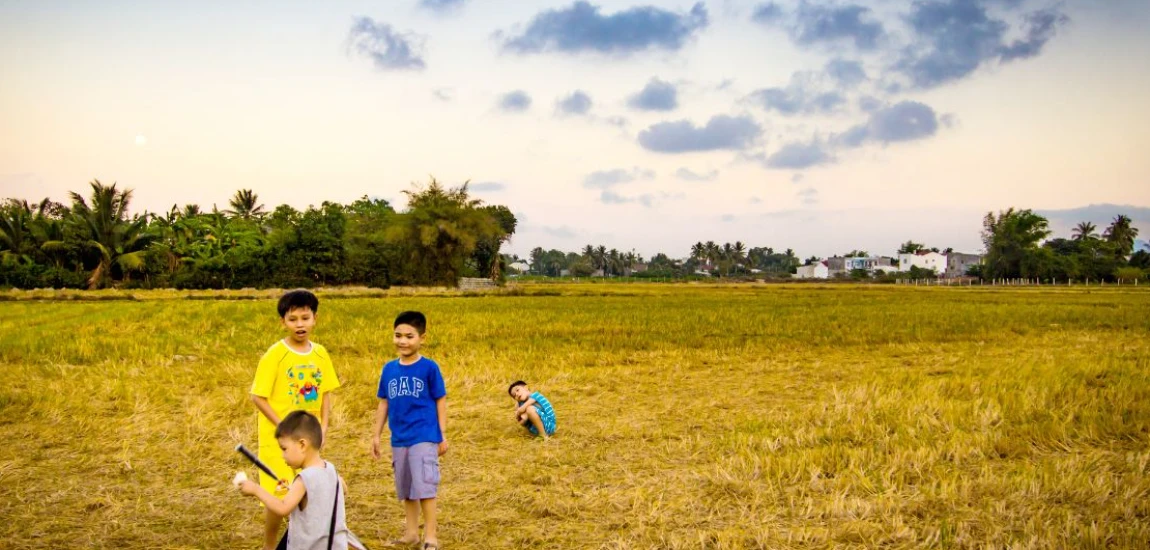
Some trips fly by in a blur of sightseeing, souvenirs, and rushed itineraries. Others—without you realizing—slip into a slower rhythm. You find your favorite café, recognize the faces at the bakery, and suddenly, the days feel less like a holiday and more like a new chapter of your life. These are the vacations that feel like you accidentally moved there, where your suitcase gathers dust in the corner because you’ve stopped “living out of it” and started living in the place.
This isn’t about staying for months; it’s about the shift that happens when you start doing what locals do, not what guidebooks dictate. You might have arrived with a checklist, but you leave with habits, memories, and maybe even a group chat with people you met along the way. It’s travel as it was meant to be—less like consuming a place, more like quietly joining its story.
Choosing the Right Destination for a “Move-In” Feel
Not every destination invites you to settle in. Fast-paced cities with endless tourist attractions can make it harder to slow down, while smaller towns, coastal villages, or walkable neighborhoods often encourage a gentler pace. Think Lisbon’s Alfama district, Ubud in Bali, or the Italian hill town of Orvieto—places where the charm lies not in grand landmarks, but in everyday life.
When you’re aiming for a trip that feels like you’ve “moved in,” look for:
Compact communities where you can navigate on foot and start recognizing shopkeepers.
Local culture hubs like markets, plazas, or riversides where people gather daily.
Slower tourism seasons so you can experience the rhythms of residents without the crush of peak crowds.
Choosing a place with strong local traditions and a walkable center helps you naturally embed into the environment, rather than skim over it.

Renting a Home Instead of a Hotel
Hotels are wonderful for comfort, but if you want the “I live here now” feeling, renting a home, apartment, or room in a shared house makes a world of difference. Airbnbs, Vrbo stays, or local guesthouses allow you to grocery shop, cook meals, and get to know your neighborhood.
The perks go beyond budget:
Grocery shopping becomes an adventure as you learn which baker has the best morning bread or which stall sells the juiciest tomatoes.
Neighbors become part of the experience—you might get recommendations or even be invited for coffee.
You create routines like sitting on the same balcony each morning or visiting the same street vendor.
These small, ordinary activities are what transform a vacation from “visit” to “stay.”

Making Time for Everyday Routines
Vacations that feel like you accidentally moved there often involve slowing down enough to create routines. These can be as simple as a morning walk, reading in a local park, or having a “regular” table at a café.
Some travelers even bring elements of their home life into the trip—morning yoga in a sunny courtyard, journaling by the same riverbank, or a weekly trip to the farmers’ market. The key is that you’re not chasing attractions; you’re letting the place fill your day naturally.
You’ll also notice that once you adopt routines, locals start to recognize you—not as another tourist, but as someone who’s part of the fabric of their everyday life.

Learning Local Skills and Customs
One of the fastest ways to feel like a resident is to learn something locals take pride in. That could mean:
Taking a short cooking class to master a traditional dish.
Learning a few conversational phrases in the local language.
Joining a neighborhood dance night, pottery workshop, or fishing trip.
These experiences deepen your connection to the place and give you skills or memories you carry home. Instead of simply seeing the culture, you participate in it—an experience far richer than checking off a museum or monument.

Building Relationships Along the Way
If there’s one thing that truly transforms a trip into a “living here” experience, it’s people. Having a chat with your barista, befriending the market vendor, or joining a local meetup can turn strangers into anchors in your travel memory.
Some travelers form friendships so strong they keep in touch for years, returning to the same city partly to visit those people again. And even if you never meet again, sharing meals, stories, and laughter adds a human layer to your trip that sightseeing can’t match.

Letting Go of the Itinerary
One of the defining traits of a vacation that feels like you’ve moved there is the absence of pressure. You stop counting “days left” and start thinking, “I’ll do that tomorrow.” You skip big attractions in favor of slow breakfasts. You wander without a map, discovering corners that never make it into travel guides.
The magic is in this looseness—travel that’s led by curiosity instead of a to-do list. It’s about experiencing the joy of not having to be anywhere in particular.

The Souvenirs You Bring Home
These trips rarely result in keychains or postcards. Instead, your souvenirs are:
A favorite recipe you learned from your host.
A piece of local art you bought directly from the maker.
Inside jokes with people you met.
A deeper understanding of the culture.
And sometimes, the best souvenir is the knowledge that you could return, slip right back into the same café seat, and be remembered.



Operating "The Blonde Abroad," Kiersten Rich specializes in solo female travel. Her blog provides destination guides, packing tips, and travel resources.
Kiersten Rich

Prev Post

Next Post