
The Beaches That Disappear Completely at High Tide
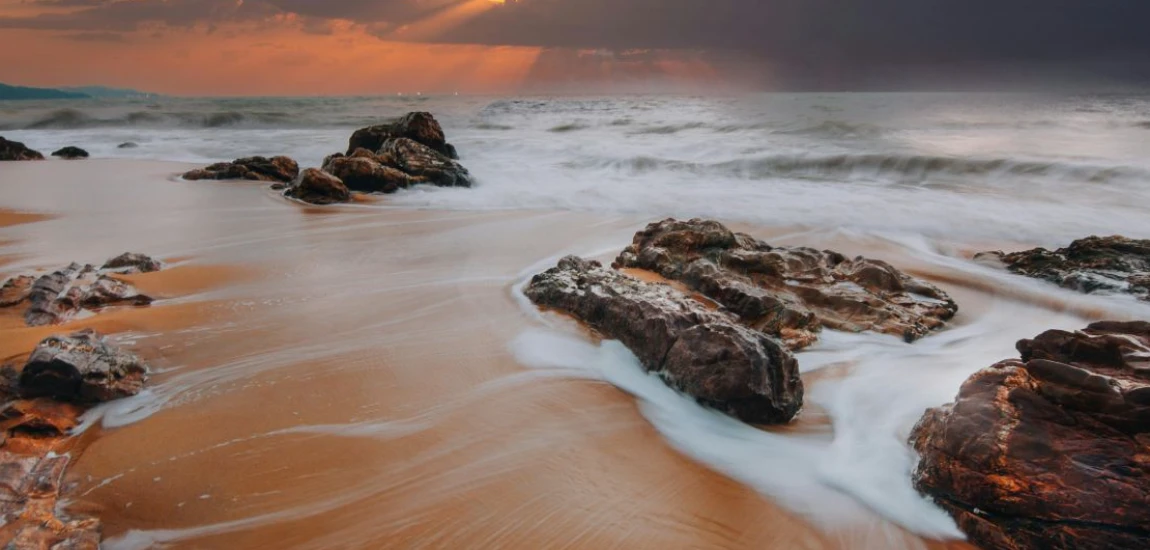
Imagine walking along a pristine stretch of golden sand in the morning—only to find it completely swallowed by the sea by afternoon. These are the beaches that disappear at high tide, natural wonders shaped by the moon, the sun, and the rhythms of the ocean.
They’re not just beautiful; they’re fleeting. Some are accessible only for a few hours each day, making them feel like secret destinations for those who time their visits right. From dramatic tidal islands to sandbars that link the mainland to offshore havens, these beaches remind us that nature runs on its own schedule—and we’re just visitors.
In this guide, we’ll explore where to find these vanishing shores, the science behind them, and how to plan a trip so you don’t miss your window.
Why Some Beaches Disappear at High Tide
Tides are caused by the gravitational pull of the moon and, to a lesser extent, the sun. In certain locations, the shape of the coastline and the seabed creates extreme tidal ranges, meaning the difference between low and high tide can be dramatic—sometimes 10 meters (33 feet) or more.
When high tide rolls in, these beaches vanish entirely under the water. Hours later, as the tide recedes, the sand reappears like a hidden treasure.
These beaches often:
Connect to islands via sandbars or causeways.
Host rare marine life in tidal pools.
Offer spectacular photography opportunities at both high and low tide.

Famous Beaches That Vanish with the Tide
Mont Saint-Michel, France
Mont Saint-Michel is a UNESCO World Heritage site and one of the most famous tidal wonders in the world. At low tide, visitors can walk across vast sand flats to reach the island. But when the tide comes in—faster than a person can run—the causeway is submerged, cutting it off completely.
Travel Tip: Always visit with a guide, as the sands can be dangerous due to quicksand-like areas.

Bar Island, Maine, USA
In the coastal town of Bar Harbor, a gravel sandbar emerges for just a few hours each day, connecting the mainland to Bar Island. At high tide, the path disappears under several feet of water, isolating the island again.
Travel Tip: Check the tide chart carefully; being stranded means waiting hours for the next low tide.

Hot Water Beach, New Zealand
Famous for its natural hot springs beneath the sand, Hot Water Beach appears wider at low tide, allowing visitors to dig their own spa pools. At high tide, much of the usable beach disappears under the waves, taking those hot spots with it.
Travel Tip: Arrive two hours before low tide for the best experience.

St. Michael’s Mount, Cornwall, England
Like Mont Saint-Michel, this historic island is linked to the mainland by a cobblestone causeway that’s only visible at low tide. High tide transforms it into a true island once again.
Travel Tip: Plan your walk to and from the mount based on tide times, or use the small passenger boat service.

Praia de Cacela Velha, Portugal
Located in the Algarve, this beach is a shifting sandbank that changes shape with the tides. At low tide, it’s a wide, walkable paradise. At high tide, the sandbanks vanish, leaving only a narrow shoreline.
Travel Tip: It’s less crowded than other Algarve beaches, making it ideal for photography and peaceful walks.

How to Plan a Trip to a Tidal Beach
Check Tide Tables in Advance
Tide times change daily, so research before you go. Local tourism boards or apps like Tide Charts or Tides Near Me can help.
Arrive Early
Low tide periods can be short, so arriving early ensures you have time to explore before the water returns.
Consider Safety First
Some tidal beaches are surrounded by fast-moving water and can trap visitors. Always be aware of the time and location of incoming tides.
Wear the Right Footwear
Sand can be wet, slippery, or muddy, so sturdy sandals or water shoes are recommended.
Embrace the High Tide Too
High tide isn’t just about losing the beach—often, it creates stunning seascapes, perfect for photography.

The Beauty of Impermanence
There’s something magical about knowing a place exists only for a few hours a day. These beaches challenge us to be present, to adapt to nature’s rhythms, and to savor the moment before it’s gone.
From the cobblestone causeways of England to the steaming sands of New Zealand, beaches that disappear at high tide are reminders that the most beautiful places often demand patience—and perfect timing.



Derek Baron, also known as "Wandering Earl," offers an authentic look at long-term travel. His blog contains travel stories, tips, and the realities of a nomadic lifestyle.
Derek Baron

Prev Post

Next Post