
Microclimate Route Engineering – Designing Walking Paths Using Wind Flow, Shade Density, and Surface Heat Data

Urban walking is often planned around distance and convenience, but environmental conditions play an equally important role in comfort and safety. Microclimate route engineering transforms how pedestrians move through cities by analyzing localized atmospheric conditions. Instead of choosing the shortest path, travelers select routes optimized for airflow, shading, and thermal comfort.
Cities create complex microclimates shaped by buildings, materials, vegetation, and infrastructure. Understanding these patterns allows urban explorers, planners, and travelers to design routes that reduce heat exposure, improve air circulation, and support physical well-being. Below is a detailed exploration of how microclimate-aware walking paths are engineered and why they represent the future of climate-adaptive mobility.
Understanding Microclimates in Urban Walking Environments

Microclimates are localized atmospheric conditions that differ from broader regional weather patterns. In cities, variations in surface materials, building density, and vegetation create temperature and airflow differences even within a single neighborhood. Microclimate route engineering begins with understanding how these localized conditions affect pedestrian comfort.
How Urban Structures Shape Local Climate
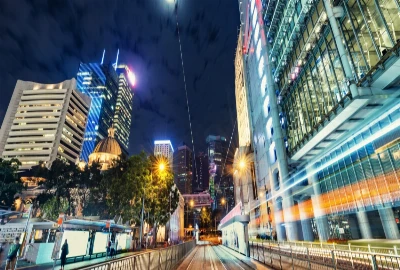
Buildings influence wind speed, solar exposure, and temperature retention. Narrow streets bordered by tall structures often trap heat while reducing airflow. Open boulevards, by contrast, may channel wind, creating cooler pedestrian corridors. The arrangement of urban forms determines whether heat dissipates or accumulates.
Cities like Dubai demonstrate dramatic microclimate variation due to reflective surfaces and dense architecture. Meanwhile, green infrastructure in Singapore shows how vegetation moderates temperature and improves airflow at street level.
Surface Materials and Heat Retention
Different materials absorb and release heat at different rates. Asphalt retains thermal energy longer than grass or shaded stone. Concrete plazas exposed to sunlight can remain warm hours after sunset, influencing nighttime walking comfort.
Surface heat accumulation contributes significantly to the urban heat island effect. Microclimate route engineering evaluates surface composition to avoid heat-retaining pathways during peak thermal periods.
Pedestrian Experience and Thermal Stress
Thermal comfort affects walking endurance, hydration needs, and cognitive performance. Even moderate increases in surface temperature can amplify perceived heat due to radiant energy transfer. By understanding localized climate behavior, route planners can minimize exposure to high-stress environments.
Microclimate awareness transforms walking from reactive navigation into proactive environmental adaptation.
Mapping Wind Flow Patterns for Natural Cooling

Wind movement is one of the most powerful natural cooling mechanisms in urban environments. Microclimate route engineering leverages airflow corridors to improve thermal comfort without technological intervention.
Urban Wind Channels and Air Circulation
Buildings create pressure differences that redirect wind. Some streets accelerate airflow through channeling effects, while others become stagnant zones. Identifying consistent airflow corridors allows pedestrians to benefit from natural ventilation.
Coastal cities such as Barcelona frequently experience sea breezes that create predictable cooling routes. Aligning walking paths with these corridors significantly reduces perceived temperature.
Tools for Analyzing Wind Behavior
Wind flow mapping can be conducted using urban climate models, observational data, or simple environmental cues. Tree movement, flag direction, and temperature variation across intersections provide practical insights into airflow behavior.
Digital mapping tools increasingly integrate wind simulation data. These technologies help planners design routes that maximize exposure to cooling air currents.
Balancing Wind Comfort and Safety
While airflow improves comfort, excessive wind can reduce stability or increase particulate exposure. Microclimate route engineering seeks balanced airflow — sufficient for cooling but not disruptive.
Understanding wind variability across time of day and seasonal patterns further enhances route reliability. Effective planning transforms wind from an unpredictable factor into a strategic asset.
Shade Density Optimization for Thermal Protection

Shade is one of the most effective passive cooling strategies in urban walking design. Microclimate route engineering evaluates both natural and built shading structures to reduce solar radiation exposure.
Tree Canopy and Natural Cooling
Vegetation provides shade while also cooling surrounding air through evapotranspiration. Tree-lined streets can be significantly cooler than exposed sidewalks even within the same district.
Cities like Tokyo incorporate extensive roadside greenery that moderates urban temperature. Shade density mapping helps identify routes with continuous canopy coverage.
Architectural Shading Structures
Buildings create dynamic shading patterns that shift throughout the day. Arcades, overhangs, and narrow street grids often provide consistent protection from direct sunlight.
Microclimate route engineering considers solar angle variation to determine when and where shade is available. Morning and afternoon routes may differ due to shadow movement.
Measuring Effective Shade Coverage
Not all shade provides equal cooling. Dense canopy or structural shade blocks more radiant heat than partial filtering. Route design prioritizes continuous shade segments to maintain stable thermal conditions.
Combining vegetation and architecture produces layered shading that enhances pedestrian comfort across varying weather conditions.
Using Surface Heat Data to Avoid Thermal Hotspots

Surface temperature strongly influences pedestrian experience. Microclimate route engineering incorporates thermal mapping to identify areas of excessive heat accumulation.
Thermal Mapping Technologies
Infrared imaging and satellite data reveal temperature distribution across urban surfaces. These maps highlight hotspots such as parking areas, wide plazas, and exposed intersections.
Cities including Phoenix actively use thermal data to redesign pedestrian infrastructure. This approach helps prioritize cooling interventions where they are most needed.
Heat Absorption and Release Cycles
Surface materials follow daily heating and cooling cycles. Routes that are tolerable in the morning may become uncomfortable by midday. Understanding these cycles allows dynamic route adjustment based on time.
Thermal data also supports night-time planning, as some materials release stored heat slowly, prolonging discomfort after sunset.
Integrating Heat Data With Route Planning
Optimal walking paths avoid high-radiation surfaces during peak solar periods. Even small route adjustments — such as choosing a shaded sidewalk instead of an exposed plaza — significantly reduce heat load.
Thermal-informed navigation enhances endurance and supports safer exploration in warm climates.
Designing Climate-Adaptive Walking Routes

Microclimate route engineering synthesizes wind, shade, and surface heat data into practical path design. The goal is not merely environmental awareness but actionable mobility optimization.
Multi-Factor Route Selection
Effective route design balances airflow, shading, and temperature simultaneously. A shaded path without airflow may feel stagnant, while a windy route without shade may still cause overheating.
Combining environmental variables creates balanced walking experiences that support sustained mobility.
Time-Based Route Variation
Microclimate conditions shift throughout the day. Morning routes may prioritize sunlight exposure in cooler climates, while afternoon routes emphasize shade and airflow.
Cities such as Lisbon demonstrate strong daily thermal variation due to topography and ocean influence. Time-sensitive planning maximizes comfort across changing conditions.
Human-Centered Mobility Planning
Microclimate route engineering prioritizes pedestrian well-being over rigid infrastructure logic. By aligning routes with physiological comfort, cities become more accessible and inclusive.
Climate-adaptive mobility supports health, reduces heat-related risk, and enhances urban experience quality.


Ben Schlappig runs "One Mile at a Time," focusing on aviation and frequent flying. He offers insights on maximizing travel points, airline reviews, and industry news.
Ben Schlappig
Prev Post

Next Post