
Local Market and Street Culture Tourism: Discovering Cities Through Markets and Food
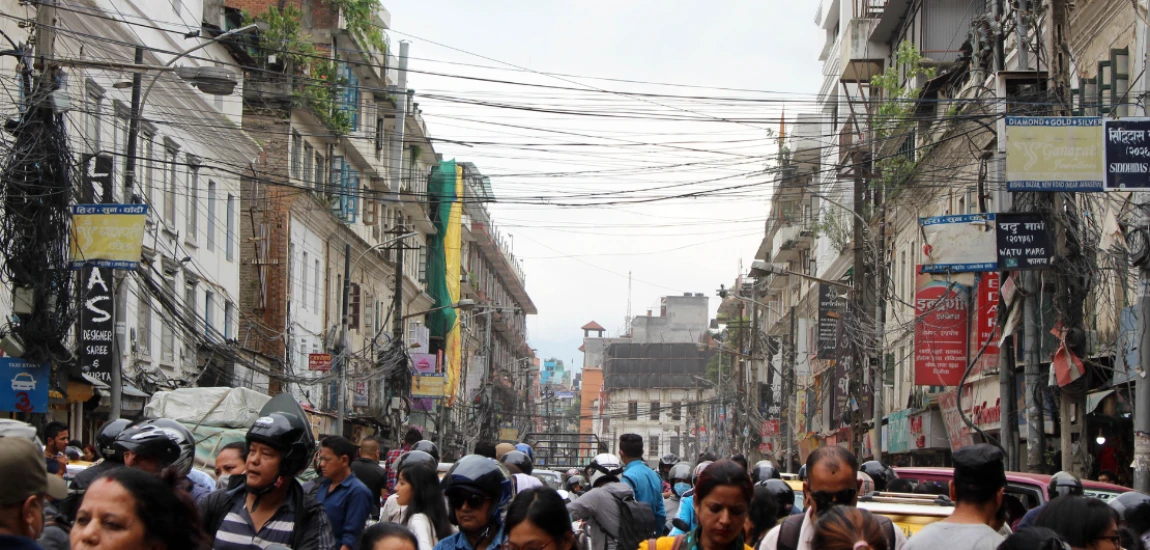
When travelers think about exploring a city, they often imagine famous landmarks, museums, and iconic attractions. However, one of the most authentic ways to understand a destination is through its local markets and street culture. Markets are vibrant spaces where everyday life unfolds, offering a window into the traditions, flavors, and social rhythms of a city.
Local market and street culture tourism focuses on exploring cities through their food stalls, neighborhood markets, artisan vendors, and street-side experiences. These spaces bring together farmers, cooks, artists, and residents who create the cultural identity of a place. Walking through a market is often like stepping into the heart of a community.
Street food stalls, fresh produce stands, and handcrafted goods reveal how people live, eat, and interact daily. Travelers who visit markets can taste authentic local dishes, discover regional ingredients, and connect with residents in a relaxed and welcoming environment.
Beyond food, markets also showcase local crafts, music, traditions, and cultural exchange. They are social gathering points where conversations happen, stories are shared, and traditions are preserved. By exploring these spaces, travelers gain deeper insights into the true character of a city.
Local market and street culture tourism offers a more immersive travel experience—one that goes beyond sightseeing and brings travelers closer to the daily life and cultural identity of their destinations.
Understanding Local Market and Street Culture Tourism

Local market and street culture tourism focuses on experiencing cities through their everyday public spaces where people gather to trade, cook, socialize, and celebrate traditions.
Markets as Cultural Hubs
Markets are far more than places to buy food or goods. In many cities, they serve as cultural hubs where traditions, commerce, and social interaction come together. Vendors pass down recipes and trade skills through generations, creating a living cultural heritage.
Travelers walking through these markets can observe daily routines, family-run stalls, and traditional cooking methods that have remained unchanged for decades. These environments provide a unique cultural experience that cannot be replicated in shopping malls or tourist areas.
Markets also reflect the diversity of a city. Different neighborhoods may feature unique ingredients, cooking styles, and cultural influences that represent the community’s heritage.
The Importance of Street Food Culture
Street food plays a central role in market tourism. It is often the most authentic and accessible way to taste local cuisine. Vendors typically specialize in a few dishes perfected over years or even generations.
Street food stalls often use fresh ingredients sourced directly from nearby markets. This connection between local agriculture and cuisine creates a strong sense of regional identity.
For travelers, street food offers both affordability and authenticity. Instead of dining in large restaurants, visitors can enjoy quick meals prepared in traditional ways that reflect local tastes.
Experiencing Everyday Urban Life
Markets allow travelers to witness the everyday rhythm of city life. Early mornings may bring farmers delivering produce, while afternoons see residents shopping for fresh ingredients and meeting friends for snacks.
These interactions reveal how food and commerce shape social life within the city. Conversations between vendors and customers, bargaining traditions, and communal dining spaces all reflect local culture.
By spending time in markets, travelers experience the authentic energy and personality of a destination.
Exploring Food Markets as Cultural Gateways

Food markets are among the most fascinating places for travelers seeking cultural immersion. They provide insight into local agriculture, cooking traditions, and culinary creativity.
Fresh Produce and Regional Ingredients
Local markets showcase the ingredients that define a region’s cuisine. Fruits, vegetables, herbs, spices, seafood, and meats often vary depending on geography, climate, and cultural traditions.
Travelers can discover ingredients they may have never seen before. Vendors often explain how certain items are used in traditional dishes, offering valuable culinary insights.
Seasonal produce also highlights the connection between local food culture and the natural environment.
Traditional Cooking Techniques
Many market stalls prepare food directly in front of customers using traditional cooking techniques. From grilling and steaming to frying and baking, these methods reflect cultural heritage.
Watching vendors prepare meals provides a deeper appreciation for the skill and craftsmanship involved in local cuisine.
These cooking demonstrations often become memorable highlights of market visits.
Community Dining Experiences
Markets frequently feature communal dining spaces where visitors and locals sit together to enjoy freshly prepared meals. These shared spaces encourage conversation and cultural exchange.
Travelers can observe how residents interact, socialize, and celebrate food as a central part of daily life.
Eating alongside locals adds authenticity and warmth to the travel experience.
Discovering Street Food Culture in Cities

Street food culture is one of the most exciting aspects of urban travel. It reflects creativity, tradition, and the unique flavors of a city.
Signature Dishes of the City
Every city has signature street foods that represent its culinary identity. These dishes are often affordable, quick to prepare, and deeply rooted in local traditions.
Travelers who explore street food stalls gain access to flavors that may not appear on restaurant menus.
These foods often tell stories about migration, cultural influences, and historical trade routes.
Food as a Cultural Language
Food communicates cultural values, traditions, and creativity. Street vendors take pride in preparing dishes that reflect their community’s heritage.
Travelers who try local street food experience the culture through taste, smell, and presentation.
This sensory exploration helps visitors connect with destinations in a meaningful way.
Night Markets and Evening Food Culture
In many cities, street food culture comes alive at night markets. These vibrant environments feature glowing stalls, lively music, and diverse food offerings.
Night markets provide a festive atmosphere where locals gather to relax after work and socialize with friends.
For travelers, these markets offer an exciting way to experience the city’s nightlife while enjoying authentic cuisine.
Markets as Centers of Art, Craft, and Creativity

Local markets are not only about food—they also serve as creative spaces where artisans showcase traditional crafts and artistic expression.
Handmade Crafts and Artisan Products
Many markets feature stalls selling handmade crafts such as textiles, jewelry, pottery, and woodwork. These items often reflect cultural traditions and artistic heritage.
Travelers who purchase handmade goods support artisans and help preserve traditional craftsmanship.
These products also make meaningful souvenirs that represent the destination’s culture.
Street Performances and Cultural Expression
Markets often host musicians, dancers, and performers who bring energy and creativity to the environment. These performances reflect local artistic traditions and community spirit.
Visitors can experience live cultural entertainment while exploring the market stalls.
This dynamic atmosphere adds to the vibrant character of street culture tourism.
Creative Urban Spaces
Street art, murals, and creative installations are often found near market districts. These artistic expressions reflect the identity and creativity of local communities.
Exploring these areas allows travelers to see how culture evolves through art and public expression.
Markets become living galleries where tradition and modern creativity coexist.


Gary Arndt operates "Everything Everywhere," a blog focusing on worldwide travel. An award-winning photographer, Gary shares stunning visuals alongside his travel tales.
Gary Arndt

Prev Post

Next Post