
Islands That Aren’t on Most Maps (But Have a Ferry Anyway)
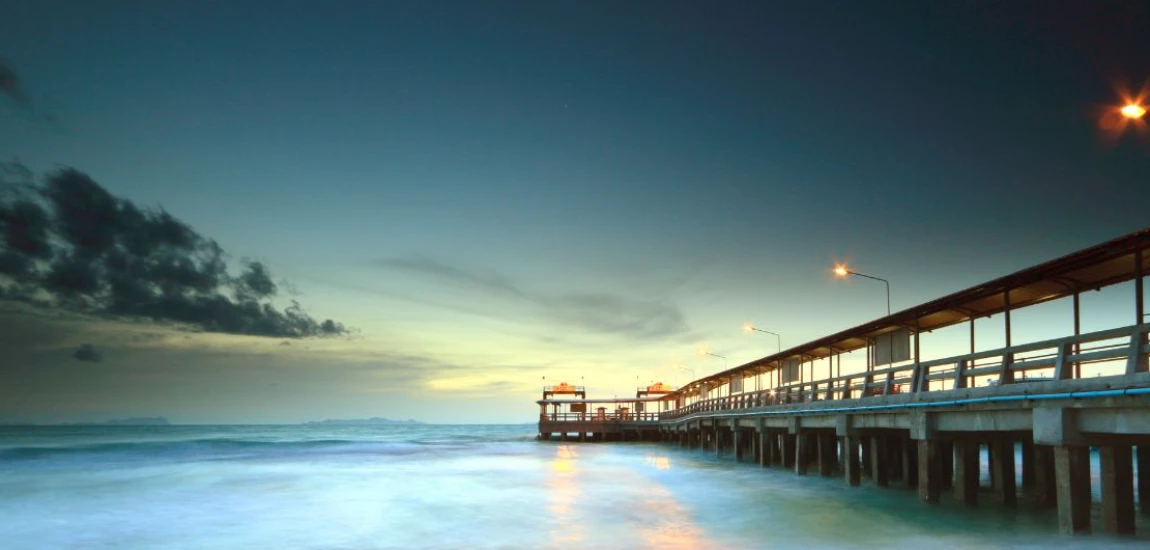
There’s something magical about the idea of stepping onto a ferry and arriving at a place that barely registers on a map. These islands aren’t part of the typical tourist trail. They aren’t splashed across glossy travel magazines or trending on Instagram. In fact, they’re often overlooked entirely — not because they’re unworthy, but because they’re quietly content with their own pace of life. And that’s precisely their charm.
Hidden islands like these appeal to travelers who crave more than a postcard-perfect beach or a checklist of “must-see” attractions. They’re for people who enjoy exploring cobblestone lanes where every local knows your name, or finding a shoreline where the only sound is the water brushing against the rocks. The beauty of these islands is that they don’t demand your attention; they invite it slowly, on their own terms.
But here’s the best part — despite being off the radar, they’re still surprisingly accessible. The ferry may be small, the timetable limited, and the ticket booth a modest shack by the pier, but it exists. This means that your journey there has just the right balance of adventure and ease. No chartering expensive private boats or taking complicated detours. Just hop aboard, and soon you’ll be stepping onto an island that most people have never heard of.
In this guide, we’ll take you through several islands that remain curiously absent from most maps but are still connected to the world by ferry. Each one has its own unique appeal, whether it’s a sleepy fishing village, a wild nature reserve, or a place with a story that feels like it belongs in a novel.
Terschelling, Netherlands – The North Sea’s Quiet Star
Terschelling is part of the Frisian Islands in the Netherlands, yet it often gets overshadowed by its more famous siblings like Texel. Located in the Wadden Sea, it’s the kind of place you’d expect to be buzzing with tourists in summer, but in reality, it remains blissfully calm, especially outside of a few peak weeks.
The island is reachable by ferry from Harlingen, a charming Dutch harbor town. The journey itself sets the tone — you sail past sandbanks that seem to disappear and reappear with the tides, and if you’re lucky, you might spot a seal lounging lazily in the sun. Terschelling’s unique geography means you can walk for miles along sandy beaches without seeing another soul, or explore expansive dune landscapes that look untouched by time.
Cycling is the preferred mode of transport here, and there are more bike paths than roads. You can pedal to the quaint village of West-Terschelling, known for its iconic lighthouse, or venture east to Oosterend, where life slows to an even more peaceful rhythm. Local food is another draw — try the island’s cranberries, which grow wild in the dunes, or fresh fish caught the same morning.
The charm of Terschelling lies in its balance of accessibility and seclusion. It’s close enough to the mainland for a spontaneous weekend trip, but far enough away to feel like you’ve stepped into a different world. Whether you’re drawn by nature, local culture, or the simple pleasure of sea air, this island proves that you don’t need a flashy tourist label to be unforgettable.

Île-d’Aix, France – The Car-Free Gem of the Atlantic Coast
Île-d’Aix is so small and peaceful that cars aren’t allowed, and the only way to reach it is via a short ferry ride from the mainland town of Fouras in western France. At just 3 kilometers long, it’s a place where walking and cycling are the only ways to get around — and that’s precisely what gives it its charm.
Despite being absent from many travel brochures, Île-d’Aix has an intriguing history. Napoleon Bonaparte spent his final days on French soil here before being exiled to Saint Helena, and you can still visit the house where he stayed. History aside, the island’s natural beauty is equally captivating: golden beaches, pine forests, and rocky shores where oyster farmers tend to their beds.
One of the island’s best experiences is simply to rent a bicycle and follow the coastal paths. You can circle the entire island in a couple of hours, stopping for swims or picnics along the way. With no cars to interrupt the quiet, you’ll hear little more than the sound of waves and seabirds.
Île-d’Aix is also part of France’s Charente-Maritime region, known for its excellent seafood. Locals and day-trippers alike flock here for plates of fresh oysters, mussels, and fish stew, often enjoyed with a glass of crisp local white wine. And while it’s easily accessible by ferry, the limited departures mean it never feels overrun.
It’s the sort of place where you arrive with nothing more than a beach bag, a book, and no real plans — and somehow end up with a day full of memories. In a travel world obsessed with “bucket lists,” Île-d’Aix is refreshingly unassuming.

Koh Phayam, Thailand – The Andaman’s Best-Kept Secret
When people think of Thai islands, they picture bustling places like Phuket or Koh Samui, but Koh Phayam — accessible only by ferry from Ranong — offers an entirely different experience. There are no cars here, just motorbikes and sandy paths, and the pace of life moves at a gentle, almost dreamlike speed.
The ferry ride to Koh Phayam is part of the magic. As you approach, the island appears like a green mirage rising out of the turquoise Andaman Sea. Once you arrive, you’ll find long stretches of empty beaches, cashew nut farms, and small bungalows where hammocks sway in the breeze.
Ao Yai Beach is the island’s main stretch of sand — a wide, golden sweep where sunsets are particularly stunning. Ao Kao Kwai, or Buffalo Bay, is quieter and perfect for swimming. Diving and snorkeling trips are available, but the real beauty of Koh Phayam lies in doing very little. You can spend the day wandering barefoot from beach to beach, stopping for fresh seafood or coconut ice cream along the way.
Electricity is limited in some parts of the island, and Wi-Fi can be patchy — something many visitors actually appreciate. It’s the kind of place where you’re forced to look up from your phone and watch the changing colors of the sea.
While Koh Phayam remains off most tourist maps, its ferry connection means it’s not hard to reach for those who know it exists. And because it hasn’t been overdeveloped, it still offers that rare “island paradise” experience that many travelers spend years searching for



Shivya Nath authors "The Shooting Star," a blog that covers responsible and off-the-beaten-path travel. She writes about sustainable tourism and community-based experiences.
Shivya Nath
Prev Post

Next Post