
Baseline Geography – Selecting Destinations That Don’t Demand Immediate Adaptation
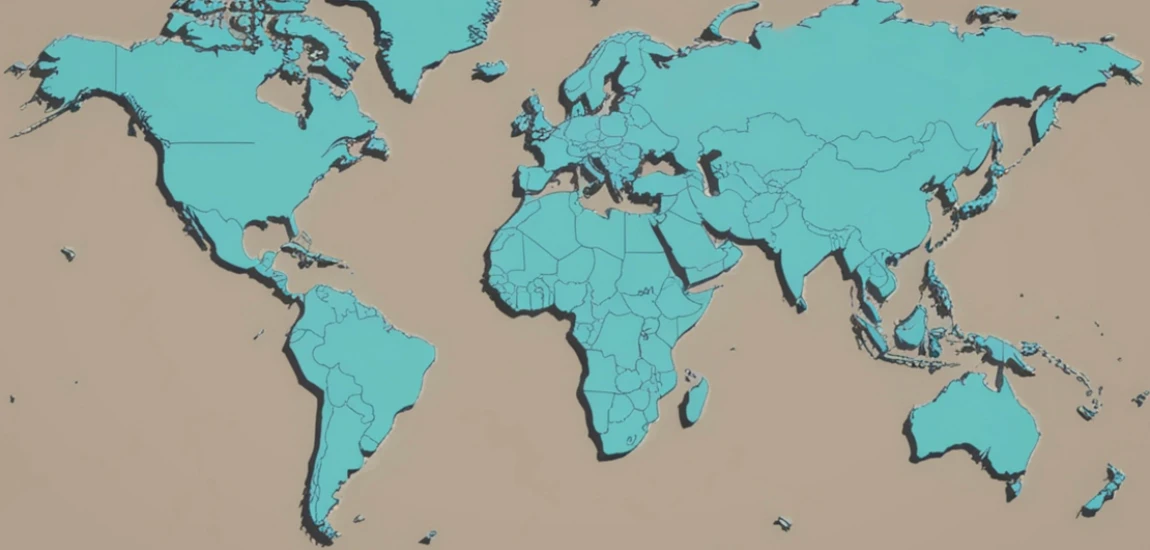
Travel advice often celebrates discomfort as growth. New languages, unfamiliar customs, chaotic transport, and radical climate shifts are framed as part of the “experience.” But for many travelers—especially those who value stability, creativity, or mental clarity—this constant adaptation comes at a cost. Baseline Geography offers an alternative lens: choosing destinations that align with your existing rhythms instead of disrupting them.
This approach doesn’t mean avoiding novelty forever. It means recognizing that your energy, nervous system, and cognitive bandwidth are finite resources. When a destination demands immediate adjustment across multiple dimensions—language, climate, social norms, food, transportation—you spend your first days regulating stress instead of exploring. Baseline Geography asks a simple question: How fast can I feel normal here?
Below, we explore the core elements of Baseline Geography and how to apply them intentionally.
Understanding Baseline Geography as a Travel Philosophy

Travel as an Energy Exchange
Every destination requires payment—not just money, but attention, emotional regulation, and physical stamina. Baseline Geography reframes travel as an energy exchange rather than an achievement. Some places are expensive financially but easy psychologically. Others are cheap on paper but demand constant vigilance, adaptation, and interpretation. Understanding this exchange helps travelers make decisions aligned with how they actually want to feel, not how they want their trip to look online.
The Cost of Immediate Adaptation
Immediate adaptation includes decoding social cues, navigating unfamiliar systems, adjusting to climate extremes, and overcoming language barriers all at once. When these demands stack, travelers often feel exhaustion before enjoyment. Baseline Geography identifies destinations where these demands are minimized, allowing travelers to remain close to their personal baseline—their default state of calm, focus, and self-regulation.
Why Baseline Matters More Than Novelty
Novelty is stimulating, but stimulation is not the same as fulfillment. Many travelers return home more tired than when they left, needing a recovery period from their vacation. Baseline Geography prioritizes sustainability over stimulation. It supports longer stays, deeper engagement, and a travel rhythm that integrates rather than disrupts daily life patterns.
Climate Compatibility and Environmental Familiarity

Temperature as a Nervous System Input
Climate is not just weather—it’s a constant sensory input. Extreme heat, humidity, cold, or altitude forces the body into continuous adjustment. Destinations with temperatures close to what your body already knows reduce fatigue, irritability, and sleep disruption. Baseline Geography encourages travelers to choose climates that feel neutral rather than impressive.
Seasonal Predictability
Destinations with stable, predictable seasons are easier to inhabit than those with sudden shifts or extreme variations. Predictability reduces cognitive load: you know what to wear, how long days last, and how your body will respond. This familiarity supports faster settling and lowers decision fatigue.
Natural Soundscapes and Light
Environmental noise, light intensity, and urban density also matter. Harsh lighting, constant traffic noise, or overcrowding can push travelers into a heightened state of alertness. Baseline-aligned destinations often feature softer light, walkable spaces, and access to nature—elements that signal safety and calm to the nervous system.
Cultural Distance and Social Navigation Load

Familiar Social Norms
Cultural difference is enriching, but it requires translation. When every interaction demands interpretation—tone, etiquette, gestures—social fatigue accumulates quickly. Baseline Geography favors destinations where social rules feel intuitive or at least gently familiar, reducing the need for constant self-monitoring.
Language Accessibility
Language barriers significantly increase adaptation demands. Even basic tasks—ordering food, asking for directions, reading signs—consume more mental energy. Destinations where your primary language is widely spoken, or where communication relies on familiar structures, allow for smoother daily functioning and faster comfort.
Expectations Around Time and Behavior
Different cultures hold different relationships to time, personal space, and formality. Mismatches here can create subtle but persistent stress. Baseline Geography doesn’t judge these differences; it simply acknowledges that alignment matters. Choosing destinations with similar expectations allows travelers to remain themselves without constant adjustment.
Infrastructure, Systems, and Daily Ease

Transportation and Navigation
Reliable, intuitive transportation systems dramatically reduce travel stress. Clear signage, consistent schedules, and walkable layouts allow travelers to move without hyper-vigilance. Baseline Geography prioritizes destinations where getting from point A to point B doesn’t feel like a test.
Digital and Financial Compatibility
Simple things—working payment systems, stable internet, familiar apps—have an outsized impact on comfort. Destinations that integrate smoothly with your existing digital habits reduce friction and prevent small frustrations from accumulating into exhaustion.
Healthcare and Safety Perception
Even if never used, accessible healthcare and a general sense of safety provide psychological grounding. Knowing that help is available allows the nervous system to relax. Baseline Geography considers perceived safety as much as statistical safety, recognizing that perception shapes experience.
Pace of Life and Sensory Intensity

Fast Cities vs. Soft Cities
Some destinations operate at a relentless pace—noise, crowds, constant motion. Others move more gently. Baseline Geography encourages travelers to notice how pace affects them personally. A place doesn’t need to be rural to feel calm; it needs rhythm, pauses, and breathable spaces.
Density and Overstimulation
High-density environments increase sensory input: visual clutter, sound, social interaction. While exciting, they can overwhelm travelers who thrive on spaciousness. Baseline-aligned destinations offer moments of quiet without isolation, balance without boredom.
Built Environments That Regulate
Architecture, street layout, and public spaces influence emotional regulation. Wide sidewalks, green areas, and human-scale design support ease. Baseline Geography recognizes that how a place is built affects how safe and settled it feels.
Applying Baseline Geography to Real Travel Planning

Audit Your Personal Baseline
Before choosing a destination, assess what makes you feel normal. Climate preferences, noise tolerance, language comfort, and social energy levels all matter. This self-knowledge becomes your travel compass.
Stack Familiarity Intentionally
Baseline Geography doesn’t eliminate novelty; it balances it. You might choose a new culture but familiar climate, or a foreign language but excellent infrastructure. Reducing adaptation in some areas creates capacity for exploration in others.
Design Trips That Don’t Require Recovery
The ultimate goal is returning home feeling integrated, not depleted. Destinations aligned with your baseline allow travel to enhance daily life rather than disrupt it. Over time, this approach supports longer stays, deeper work, and a healthier relationship with movement.


Dave Lee runs "GoBackpacking," a blog that blends travel stories with how-to guides. He aims to inspire backpackers and offer them practical advice.
Dave Lee

Prev Post

Next Post