
Wireless Energy Transfer Networks and the Future of Cable-Free Smart Infrastructure
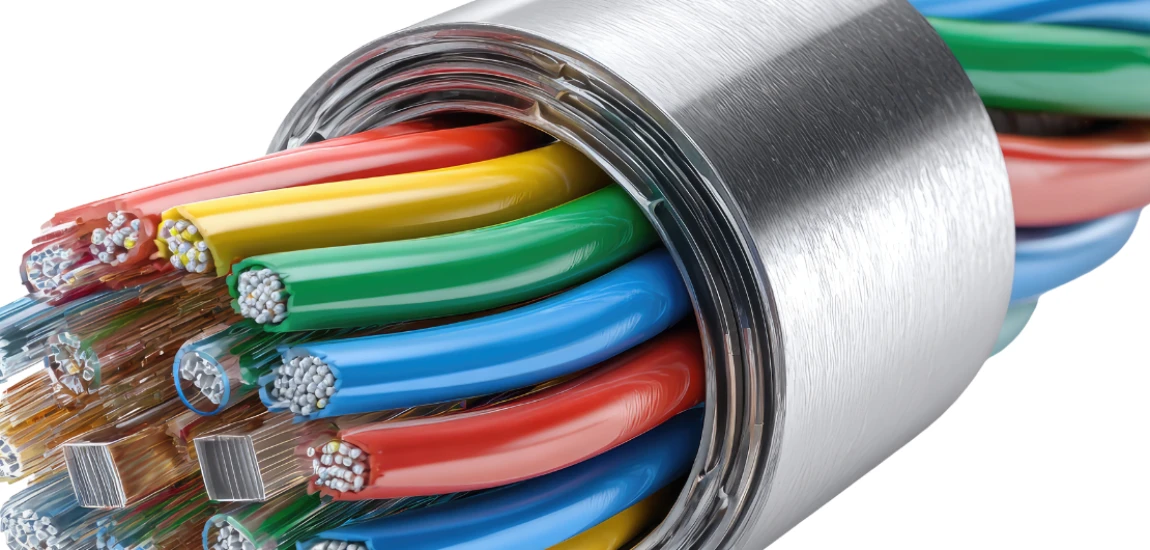
Modern society depends on an ever-growing network of electronic devices, smart sensors, industrial equipment, electric vehicles, and Internet of Things (IoT) technologies that require reliable electrical power. While conventional wired infrastructure has served industries and consumers for decades, physical cables often create limitations related to installation costs, maintenance, safety, flexibility, and scalability. As smart cities, intelligent transportation systems, connected factories, and autonomous technologies continue expanding, the demand for more efficient and flexible power delivery methods has accelerated the development of wireless energy transfer networks.
Wireless energy transfer (WET) allows electrical energy to be transmitted from a power source to electronic devices without requiring direct physical connections. Using technologies such as electromagnetic induction, magnetic resonance coupling, radio frequency transmission, microwave energy transfer, and laser-based power delivery, these systems provide continuous or on-demand energy across varying distances. Combined with artificial intelligence (AI), cloud computing, edge computing, and advanced energy management platforms, wireless energy networks can intelligently distribute electricity where it is needed while optimizing efficiency and reducing energy waste.
Industries including healthcare, manufacturing, transportation, consumer electronics, logistics, agriculture, and urban infrastructure are increasingly exploring wireless energy technologies to improve operational flexibility and support next-generation automation. From wirelessly charging electric vehicles and powering autonomous robots to supplying energy for remote IoT sensors and wearable medical devices, cable-free energy delivery is becoming an essential component of future smart infrastructure.
As research continues advancing, wireless energy transfer networks are expected to reshape how electricity is distributed, creating highly connected environments where devices receive power seamlessly, safely, and efficiently without the constraints of conventional wiring.
Understanding Wireless Energy Transfer Networks

What Are Wireless Energy Transfer Networks?
Wireless energy transfer networks are systems designed to deliver electrical power from one location to another without using physical cables or connectors. Instead of relying on traditional wired electrical infrastructure, these networks use electromagnetic fields, radio waves, microwaves, magnetic resonance, or optical technologies to transmit energy directly to compatible devices.
Unlike standard wireless charging pads that power a single smartphone over very short distances, wireless energy transfer networks support multiple devices operating simultaneously across larger environments. Intelligent energy management platforms coordinate power distribution according to device requirements, battery conditions, operational priorities, and environmental factors.
These networks consist of several interconnected components, including energy transmitters, receivers, communication modules, power management software, and monitoring systems. Artificial intelligence continuously analyzes network performance to maximize energy efficiency while ensuring safe operation.
Wireless energy transfer can support stationary equipment, mobile robots, autonomous vehicles, wearable electronics, medical implants, industrial sensors, and countless Internet of Things devices. As infrastructure becomes increasingly connected, wireless energy networks provide the flexibility needed to support dynamic environments where devices frequently move or operate in difficult-to-wire locations.
The long-term vision extends beyond charging individual devices toward creating intelligent energy ecosystems where electricity becomes continuously available throughout homes, offices, factories, transportation systems, and smart cities.
How Wireless Energy Transfer Works
Wireless energy transfer relies on several physical principles depending on transmission distance and application requirements. Inductive coupling uses magnetic fields generated between closely positioned coils to transfer energy efficiently over short distances. This method is commonly used for wireless smartphone charging and electric toothbrushes.
Magnetic resonance coupling extends transmission distance by tuning transmitter and receiver coils to resonate at the same frequency. This approach enables multiple devices to receive power simultaneously while improving flexibility in device positioning.
For longer distances, radio frequency transmission, microwave energy transfer, and laser-based optical systems convert electrical energy into electromagnetic waves that travel through space before being converted back into usable electricity at the receiving device.
Intelligent control systems continuously regulate transmission power, monitor environmental conditions, detect foreign objects, and optimize energy delivery according to operational requirements. Communication between transmitters and receivers ensures efficient charging while preventing unnecessary energy consumption.
Future wireless energy networks are expected to integrate multiple transmission technologies to support diverse applications across residential, commercial, industrial, and transportation environments.
Core Components of Wireless Energy Networks
Modern wireless energy transfer systems rely on advanced hardware and software working together seamlessly. Energy transmitters generate electromagnetic fields or wireless signals responsible for delivering electrical power. Receiver modules capture transmitted energy and convert it into usable electricity for batteries, motors, sensors, or electronic circuits.
Power electronics regulate voltage, current, frequency, and conversion efficiency throughout the charging process. Communication systems enable transmitters and receivers to exchange operational information regarding battery status, charging requirements, and environmental conditions.
Artificial intelligence optimizes network performance by balancing energy distribution, predicting demand, minimizing transmission losses, and identifying maintenance requirements. Cloud computing supports centralized monitoring across large installations, while edge computing enables rapid local decision-making.
Together, these technologies create intelligent wireless energy ecosystems capable of supporting increasingly complex smart infrastructure applications.
The Role of Wireless Energy Transfer in Cable-Free Smart Infrastructure

Supporting Smart Cities and Connected Urban Environments
Smart cities rely on thousands of interconnected sensors, surveillance systems, traffic controllers, environmental monitors, public transportation networks, and communication devices that require continuous electrical power. Traditional wired infrastructure often limits deployment flexibility while increasing installation and maintenance costs.
Wireless energy transfer networks simplify urban infrastructure by reducing dependence on extensive underground cabling. Streetlights, traffic sensors, parking systems, environmental monitoring stations, and public information displays can receive power wirelessly while communicating through integrated smart city platforms.
Municipal authorities benefit from improved infrastructure flexibility because devices can be relocated, upgraded, or expanded without extensive construction work. Maintenance teams also experience fewer cable-related failures caused by weather, construction damage, or aging electrical systems.
Artificial intelligence further enhances urban energy management by monitoring electricity consumption, predicting maintenance needs, and dynamically allocating wireless power based on real-time demand. These capabilities contribute to more sustainable and efficient urban operations.
As cities continue investing in digital transformation, wireless energy transfer networks will become valuable components of intelligent urban infrastructure.
Powering the Internet of Things and Autonomous Systems
The Internet of Things continues expanding rapidly across industrial facilities, healthcare organizations, agriculture, transportation, and consumer environments. Millions of connected devices require continuous electrical power while operating in locations where conventional wiring may be impractical.
Wireless energy transfer enables IoT sensors to function for extended periods without battery replacement or wired power connections. Environmental monitoring systems, industrial sensors, structural health monitors, agricultural devices, and smart building technologies benefit from uninterrupted wireless power delivery.
Autonomous robots, drones, warehouse vehicles, and service machines also rely increasingly on wireless charging infrastructure. Instead of interrupting operations for manual battery replacement, autonomous systems can recharge automatically while continuing routine activities.
This continuous energy availability improves productivity, reduces maintenance requirements, and supports highly automated environments where human intervention remains minimal.
Enabling Sustainable and Flexible Infrastructure
Sustainability has become a major priority for governments, industries, and infrastructure developers. Wireless energy transfer contributes to environmental sustainability by improving energy efficiency, reducing electronic waste, and supporting renewable energy integration.
Intelligent wireless charging systems optimize electricity consumption by delivering power only when necessary, reducing standby energy losses. AI-powered energy management platforms coordinate charging schedules according to renewable energy availability, electricity pricing, and operational priorities.
Cable-free infrastructure also reduces the consumption of raw materials such as copper, insulation materials, and protective conduit systems traditionally required for extensive electrical installations. Simplified infrastructure decreases maintenance costs while improving long-term adaptability.
As renewable energy sources become increasingly important, wireless energy transfer networks will complement smart grids by supporting decentralized, flexible, and environmentally responsible electricity distribution.
Key Technologies Powering Wireless Energy Transfer Networks

Electromagnetic Induction and Resonant Power Transfer
Electromagnetic induction remains the most widely used wireless energy technology for short-distance applications. Alternating electrical current flowing through transmitter coils generates magnetic fields that induce electrical current within nearby receiver coils. This highly efficient method supports wireless charging for smartphones, wearable devices, household appliances, medical equipment, and electric vehicles.
Magnetic resonance technology extends transmission distance while allowing multiple devices to receive power simultaneously. Because resonant systems tolerate greater alignment flexibility, users no longer need precise positioning between transmitters and receivers.
Researchers continue improving coil designs, resonance efficiency, and intelligent power control to maximize energy transfer while minimizing losses. These innovations are expanding wireless charging capabilities across commercial and industrial applications.
Artificial Intelligence and Intelligent Energy Management
Artificial intelligence plays an increasingly important role in optimizing wireless energy networks. AI continuously analyzes device behavior, charging patterns, electricity demand, battery conditions, and environmental information to improve overall system efficiency.
Machine learning algorithms predict future energy requirements, schedule charging activities intelligently, and balance electricity distribution across multiple devices simultaneously. Predictive maintenance systems identify equipment degradation before failures occur, reducing downtime and operational costs.
AI also enhances safety by detecting abnormal operating conditions, foreign objects, overheating, or electromagnetic interference that may affect charging performance.
As intelligent energy management continues evolving, wireless power networks will become increasingly adaptive, autonomous, and energy efficient.
Advanced Communication Networks and Smart Grid Integration
Modern wireless energy transfer systems rely on reliable communication technologies that coordinate power transmission across numerous devices. Internet of Things connectivity enables continuous monitoring of energy usage while supporting remote diagnostics and automated control.
Edge computing processes critical information locally to minimize communication delays, while cloud platforms manage large-scale network optimization and historical performance analysis. Future 6G communication networks will provide ultra-low latency and high-speed connectivity capable of supporting increasingly sophisticated wireless energy ecosystems.
Integration with smart electrical grids allows wireless energy networks to coordinate with renewable energy sources, battery storage systems, and distributed energy resources. This intelligent coordination improves overall grid stability while maximizing energy efficiency throughout connected infrastructure.


Shivya Nath authors "The Shooting Star," a blog that covers responsible and off-the-beaten-path travel. She writes about sustainable tourism and community-based experiences.
Shivya Nath
Prev Post

Next Post