
Swarm Robotics Intelligence and Collective Autonomous Coordination Systems
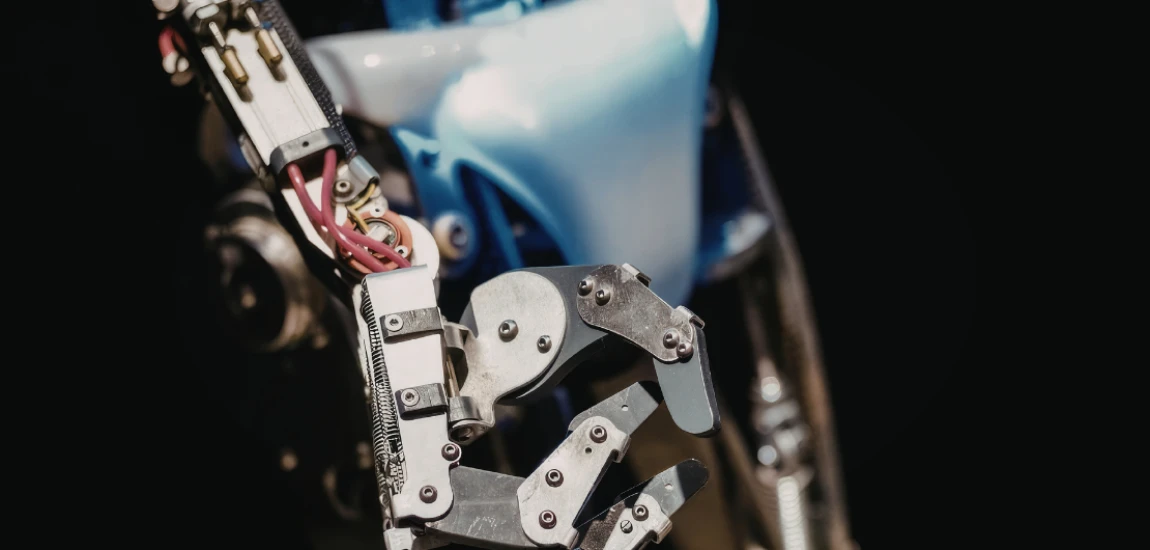
Swarm robotics intelligence represents one of the most fascinating advancements in artificial intelligence and robotics. Inspired by the collective behavior of social insects such as ants, bees, and termites, swarm robotics focuses on creating groups of simple robots that work together to achieve complex tasks without centralized control.
Unlike traditional robotics systems that rely on a single powerful machine, swarm robotics intelligence distributes tasks across multiple autonomous agents. These agents communicate, coordinate, and adapt to their environment collectively, forming what is known as collective autonomous coordination systems.
This decentralized approach enables scalability, flexibility, and resilience, making swarm robotics ideal for dynamic and unpredictable environments. From disaster response and environmental monitoring to agriculture and military applications, swarm robotics is reshaping how machines interact with the physical world.
In this blog, we will explore the architecture, technologies, applications, benefits, challenges, and future trends of swarm robotics intelligence systems while providing actionable insights for real-world implementation.
Understanding Swarm Robotics Intelligence

What Is Swarm Robotics?
Swarm robotics is a field of robotics where multiple simple robots work together to perform tasks that would be difficult or impossible for a single robot to accomplish. These robots operate based on local information and simple rules, yet collectively produce intelligent and complex behaviors.
The key principle behind swarm robotics intelligence is decentralization. Instead of relying on a central controller, each robot makes decisions independently while coordinating with nearby robots.
Inspiration from Natural Swarms
Swarm robotics is heavily inspired by nature, particularly social insects like ants, bees, and fish schools. These organisms demonstrate how simple agents can collectively solve complex problems such as foraging, building structures, and defending colonies.
By mimicking these natural systems, engineers can design robotic swarms that exhibit similar adaptability and efficiency.
Emergent Intelligence in Swarm Systems
One of the most powerful aspects of swarm robotics is emergent intelligence. This occurs when simple interactions between individual robots lead to complex group behaviors.
Emergent intelligence allows swarms to adapt dynamically to changing environments without centralized control or pre-programmed instructions.
Collective Autonomous Coordination Systems Explained

Decentralized Decision-Making in Robotics
Collective autonomous coordination systems rely on decentralized decision-making. Each robot operates independently, making decisions based on local data and interactions with other robots.
This eliminates the need for a central control unit, reducing bottlenecks and increasing system robustness.
Communication and Collaboration Mechanisms
Robots in a swarm communicate using simple signals such as wireless communication, visual cues, or environmental markers. This communication enables coordination and task distribution.
Collaboration ensures that tasks are completed efficiently, even in complex and dynamic environments.
Self-Organization and Adaptability
Self-organization is a key feature of swarm systems. Robots automatically organize themselves into functional groups based on task requirements.
This adaptability allows swarms to respond effectively to environmental changes, failures, or new tasks.
Core Technologies Powering Swarm Robotics

Artificial Intelligence and Machine Learning
AI and machine learning enable robots to learn from experience and improve their performance over time. These technologies help optimize coordination strategies and decision-making processes.
Machine learning also allows swarms to adapt to new environments and tasks.
Distributed Algorithms and Control Systems
Distributed algorithms are essential for swarm coordination. These algorithms ensure that robots operate cohesively without centralized control.
They enable tasks such as formation control, path planning, and resource allocation.
Sensor Networks and Embedded Systems
Sensors allow robots to perceive their environment, while embedded systems process this data locally. This combination enables real-time decision-making at the edge.
Sensor networks also facilitate communication between robots in the swarm.
Real-World Applications Across Industries

Search and Rescue Operations
Swarm robotics is highly effective in disaster response scenarios. Multiple robots can search large areas quickly, locate survivors, and provide real-time data to rescue teams.
Their decentralized nature ensures reliability even if some robots fail.
Agriculture and Environmental Monitoring
In agriculture, robotic swarms are used for crop monitoring, soil analysis, and precision farming. They can cover large fields efficiently and collect detailed environmental data.
This leads to improved productivity and sustainable farming practices.
Military and Defense Applications
Swarm robotics is also used in defense for surveillance, reconnaissance, and tactical operations. Swarms can adapt to complex environments and perform coordinated missions.
Their scalability and resilience make them ideal for mission-critical applications.


Shivya Nath authors "The Shooting Star," a blog that covers responsible and off-the-beaten-path travel. She writes about sustainable tourism and community-based experiences.
Shivya Nath

Prev Post

Next Post