
Swarm Intelligence Robotics and the Future of Collective Autonomous Machines
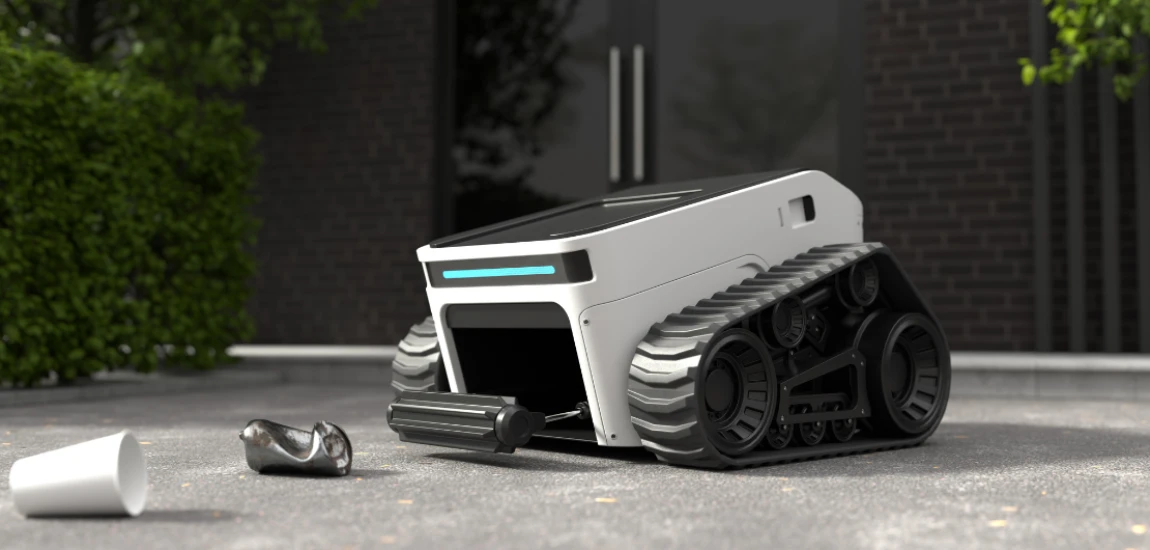
The future of robotics may not be dominated by a single intelligent machine. Instead, it could be shaped by thousands or even millions of smaller autonomous machines working together as a coordinated system. This emerging vision is at the heart of swarm intelligence robotics, a field inspired by the collective behavior of ants, bees, birds, fish, and other natural systems.
In nature, individual creatures often have limited intelligence, but their collective behavior can produce highly complex results. Ant colonies can organize food collection, bees can coordinate hive activities, and birds can move in synchronized formations without a central leader directing every action. Researchers are applying similar principles to robotics and artificial intelligence to create collective autonomous machines capable of cooperation, adaptation, and distributed decision-making.
A robotic swarm may include drones, ground robots, underwater vehicles, microscopic machines, or industrial robots. Each individual unit can follow relatively simple rules while communicating with nearby machines. Together, the swarm can respond to changing environments, divide tasks, overcome failures, and complete missions that would be difficult for a single robot.
This approach could transform search and rescue, agriculture, logistics, environmental monitoring, defense, space exploration, construction, and industrial automation. Swarm robotics can also create more resilient systems because the failure of one machine does not necessarily stop the entire group.
However, collective autonomous machines also create significant challenges. Engineers must develop reliable communication systems, energy-efficient hardware, secure coordination methods, and algorithms that allow large numbers of robots to work together without constant human control.
As artificial intelligence and robotics continue to advance, swarm intelligence robotics could become a foundation for a new generation of machines that do not simply operate individually but function as intelligent, adaptive, and cooperative societies of autonomous systems.
What Is Swarm Intelligence Robotics?

Learning from Nature’s Collective Systems
Swarm intelligence robotics is based on the idea that complex collective behavior can emerge from the interaction of many relatively simple individuals. Natural systems provide some of the most important examples of this principle.
Ants do not have a central commander assigning every task. Instead, they respond to chemical signals and local environmental conditions. Birds can change direction as a group based on the movement of nearby individuals. Bees can collectively identify food sources and organize hive activities.
Robotic engineers study these behaviors to create algorithms that allow machines to coordinate without depending on a single central controller.
In a robotic swarm, each machine may follow simple instructions such as maintaining distance from neighbors, moving toward a target, avoiding obstacles, or responding to signals from nearby units. When hundreds or thousands of robots follow these rules simultaneously, complex group behavior can emerge.
Decentralized Intelligence
One of the defining features of swarm intelligence is decentralization. Traditional robotic systems often depend on a central computer that controls every machine.
A swarm robotics system distributes decision-making across individual robots. Each robot can process local information and communicate with nearby units.
This makes the system more flexible. If communication with a central server is interrupted, the swarm may still continue operating.
Decentralized intelligence can also reduce the risk of a single point of failure. If one robot stops working, other members of the swarm can adapt and continue the mission.
Collective Problem-Solving
The greatest strength of a robotic swarm comes from cooperation. Individual robots may have limited capabilities, but the group can solve complex problems through collaboration.
A swarm can divide tasks, explore different areas, share information, and reorganize itself according to changing conditions.
For example, a group of search-and-rescue drones could spread across a disaster area. If one drone detects a possible survivor, nearby robots could redirect resources toward that location.
This collective approach allows machines to respond dynamically rather than following a fixed sequence of instructions.
How Autonomous Robotic Swarms Coordinate and Communicate

Local Communication Between Machines
Robotic swarms depend on communication. Individual machines need to share information about their position, surroundings, tasks, and environmental conditions.
Instead of sending every piece of information to a central server, robots can communicate locally with nearby members of the swarm.
This creates a distributed communication network. Each robot becomes both a participant and a potential communication relay.
If one robot is unable to reach a distant machine directly, information can travel through other members of the swarm.
Emergent Behavior Through Simple Rules
A swarm does not necessarily need a complex central intelligence system to perform sophisticated activities. Coordinated behavior can emerge from relatively simple rules.
A robot may follow instructions such as maintaining a specific distance from neighbors, moving toward a signal, avoiding collisions, or following the average direction of nearby machines.
When these rules operate across thousands of robots, the group can create highly organized movement.
This approach is powerful because the system can adapt to changing conditions without requiring engineers to program every possible situation.
AI and Machine Learning for Swarm Coordination
Artificial intelligence can make robotic swarms more flexible and intelligent. Machine learning systems can help robots learn from previous missions and improve their collective behavior.
AI can optimize task distribution, predict environmental changes, and identify the most efficient paths for the group.
Reinforcement learning may allow robotic swarms to experiment with different strategies and learn which behaviors produce the best results.
Over time, a swarm could become increasingly efficient at solving recurring problems.
Applications of Swarm Intelligence Robotics

Search, Rescue, and Disaster Response
Search and rescue is one of the most promising applications of collective autonomous machines. Disasters such as earthquakes, floods, fires, and industrial accidents can create dangerous environments for human responders.
A swarm of drones or ground robots could enter hazardous areas and search for survivors. Each machine could cover a different area while sharing information with the rest of the group.
If one robot fails, others could continue the mission. This resilience is especially valuable in environments where individual machines may be damaged.
Swarm systems could also carry sensors that detect heat, sound, chemicals, or movement.
Agriculture and Precision Farming
Agricultural robotics could also benefit from swarm intelligence. Instead of using one large machine to perform every task, farmers could deploy groups of smaller robots.
These machines could monitor crops, identify weeds, distribute seeds, measure soil conditions, and apply treatments only where necessary.
A swarm could divide a field into sections and coordinate operations efficiently.
This approach could support precision agriculture by reducing the use of water, fertilizers, and pesticides.
Logistics and Warehouse Automation
Warehouses already use autonomous robots to move products and organize inventory. Swarm intelligence could make these systems even more adaptive.
A group of robots could dynamically distribute tasks according to workload, available paths, and changing warehouse conditions.
If one robot becomes unavailable, other robots could automatically adjust their routes and responsibilities.
This creates a flexible logistics environment in which the system can continue operating without depending on a single machine.
Swarm Robotics in Space, Oceans, and Extreme Environments

Exploring Space with Robotic Swarms
Space exploration presents significant challenges. Communication delays, limited human access, and dangerous environments make autonomous systems extremely valuable.
A swarm of small robots could explore the surface of another planet or moon. Instead of relying on one large vehicle, a group of machines could investigate multiple locations simultaneously.
Some robots could analyze soil, others could map terrain, and additional units could act as communication relays.
If one machine fails, the mission may still continue through the remaining members of the swarm.
Underwater Autonomous Swarms
The oceans remain one of the least explored environments on Earth. Autonomous underwater vehicles could work in groups to study marine ecosystems, monitor pollution, map underwater terrain, and inspect infrastructure.
Underwater communication is difficult, so swarm systems must be designed to operate with limited connectivity.
Robots could share information locally and adjust their behavior based on changing ocean conditions.
This could make collective autonomous machines valuable tools for marine science and environmental monitoring.
Operating in Dangerous Industrial Environments
Swarm robotics could also support operations in environments that are unsafe for humans.
Robotic systems could inspect damaged infrastructure, monitor chemical facilities, explore mines, or investigate areas affected by radiation.
Small robots could enter spaces that are difficult for larger machines to access.
Their ability to work collectively could make them more effective than a single specialized robot.


Ben Schlappig runs "One Mile at a Time," focusing on aviation and frequent flying. He offers insights on maximizing travel points, airline reviews, and industry news.
Ben Schlappig

Prev Post

Next Post