
Space-Based Solar Energy Grids and the Future of Unlimited Clean Power
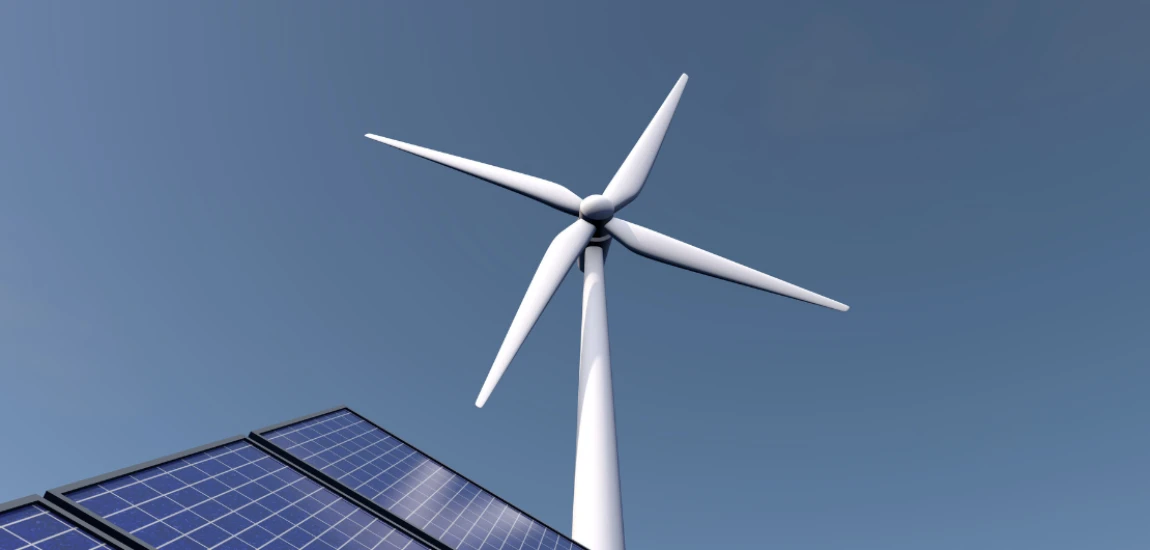
The future of clean energy may not depend entirely on the solar panels installed on rooftops, deserts, and open fields. A far more ambitious energy system could eventually operate above the Earth. Space-based solar energy grids represent a futuristic approach to energy generation in which large orbital platforms collect sunlight continuously and transmit electricity to receiving stations on Earth.
Unlike ground-based solar farms, space-based solar power systems would not be limited by nighttime, clouds, storms, seasonal changes, or atmospheric interference. In orbit, solar panels can receive sunlight for much longer periods, potentially creating a continuous source of renewable energy. This could transform the way electricity is generated and distributed across the planet.
The concept combines several advanced technologies, including large-scale orbital solar arrays, wireless power transmission, reusable launch systems, autonomous robotics, satellite communications, artificial intelligence, and space-based manufacturing. Together, these technologies could create a new generation of clean energy infrastructure that operates beyond the limitations of terrestrial power systems.
The idea of transmitting energy from space may sound futuristic, but the underlying concept is relatively straightforward. Solar energy is collected in orbit, converted into a form suitable for wireless transmission, and beamed toward a receiving station on Earth. The receiving station then converts the transmitted energy into electricity for use by homes, businesses, industries, and national power grids.
However, major challenges remain. Launching large structures into orbit is expensive, space environments are harsh, and wireless energy transmission must be extremely efficient and carefully controlled. Space debris, orbital congestion, international regulations, and environmental concerns must also be addressed.
Despite these challenges, the development of space-based solar energy grids could represent one of the most transformative possibilities in the future of clean power. If the technology becomes economically practical, humanity could gain access to a continuous renewable energy resource capable of supporting a growing global population and accelerating the transition away from fossil fuels.
Understanding Space-Based Solar Energy Grids

Solar Power Beyond the Atmosphere
Space-based solar power begins with a simple advantage: sunlight is more consistent in space than on Earth. Ground-based solar systems can only generate electricity during daylight hours, and their performance can be reduced by clouds, atmospheric conditions, dust, and seasonal changes.
Orbital solar platforms could operate above these limitations. Large solar arrays positioned in suitable orbits could receive sunlight for extended periods and generate energy continuously or for much longer durations than terrestrial solar farms.
This could help address one of the biggest challenges facing renewable energy: intermittency. Solar and wind energy are clean and abundant, but their output changes according to weather and time of day. Space-based solar power could potentially provide a more stable source of renewable energy that complements existing clean technologies.
From Orbital Satellites to Energy Infrastructure
A space-based solar energy grid would involve more than a single satellite. The long-term vision involves interconnected orbital platforms working together as a coordinated energy network.
These platforms could collect sunlight, convert it into electrical energy, transmit power to Earth, and communicate with one another to optimize energy production. Artificial intelligence could manage orbital positioning, energy distribution, maintenance schedules, and power demand.
This would transform satellites from communication and observation tools into active components of global energy infrastructure.
A New Category of Renewable Energy
Space-based solar power could become a new category of renewable energy with characteristics different from conventional solar farms. It could potentially operate continuously, deliver energy to regions with limited sunlight, and support emergency power delivery after natural disasters.
The concept could also complement terrestrial renewable energy. Ground-based solar, wind, hydropower, geothermal energy, and energy storage could work together with orbital solar platforms to create a more flexible and resilient global power system.
How Orbital Solar Farms Could Generate Continuous Clean Power

Designing Massive Solar Arrays in Orbit
One of the most important components of space-based solar energy grids would be the orbital solar farm. These platforms could consist of extremely large photovoltaic arrays designed to capture sunlight efficiently.
Because launch capacity is limited, future solar farms may need to be assembled in space. Modular components could be launched separately and connected using robotic systems or autonomous construction vehicles.
Large orbital platforms could be designed to unfold, expand, or assemble themselves. Lightweight materials and advanced structural systems would be essential for reducing launch costs.
Capturing Solar Energy More Efficiently
Solar panels operating in space could potentially receive more consistent sunlight because they would not be affected by clouds or atmospheric absorption in the same way as ground-based systems.
Future technologies may improve the efficiency of space-based photovoltaic cells. Advanced materials could allow panels to convert a greater percentage of incoming sunlight into electricity while reducing weight.
The development of flexible solar materials could also be important. Lightweight, foldable panels could be launched in compact configurations and expanded once they reach orbit.
Energy Conversion for Wireless Transmission
After solar energy is converted into electricity, it must be transmitted to Earth. This is one of the most technically important parts of the system.
One proposed approach involves converting electricity into a focused beam of electromagnetic energy. The beam could travel toward a receiving station on Earth, where it would be converted back into usable electricity.
The transmission system would need to be highly accurate. Advanced tracking technologies would ensure that the energy beam remains directed toward the receiving station while avoiding unintended targets.
Wireless Energy Transmission and the Future of Global Power Distribution

Power Beaming from Space to Earth
Wireless energy transmission is central to the concept of space-based solar power. A solar satellite cannot simply send electricity through traditional cables, so energy must be transmitted wirelessly.
Microwave and laser-based systems are among the technologies being studied for long-distance power transmission. Each approach has potential advantages and technical challenges.
Microwave systems may be suitable for transmitting energy over large distances, while laser systems could offer highly focused energy delivery under appropriate atmospheric conditions.
Ground-Based Receiving Stations
Energy transmitted from space would need to reach specialized receiving facilities on Earth. These facilities could use large antenna systems or other technologies to capture the transmitted energy.
The receiving station would then convert the energy into electricity and connect it to regional or national power grids.
These stations could be strategically located near major population centers, industrial zones, remote communities, or energy infrastructure hubs.
Power Delivery to Remote Regions
One of the most promising possibilities is delivering energy to areas where traditional power infrastructure is difficult or expensive to build.
Remote islands, desert communities, disaster zones, and isolated industrial facilities could potentially receive power from orbital energy systems.
Space-based solar energy grids could therefore support not only major cities but also regions that currently experience limited or unreliable access to electricity.
The Role of Artificial Intelligence, Robotics, and Space Manufacturing

Autonomous Construction in Orbit
Building enormous solar farms in space would be extremely difficult if every task required astronauts. Autonomous robots could play a major role in constructing and maintaining orbital energy infrastructure.
Robotic systems could connect solar panels, repair damaged components, replace equipment, and expand existing platforms.
AI-powered robots could also adapt to changing conditions and perform maintenance in environments that are dangerous for humans.
AI-Managed Energy Networks
A future space-based solar grid could contain thousands of interconnected systems. Managing these systems manually would be extremely complex.
Artificial intelligence could monitor energy production, orbital positions, weather conditions, equipment performance, and power demand.
AI systems could determine where energy should be transmitted and how orbital platforms should coordinate with terrestrial power networks.
This could create an intelligent energy infrastructure capable of responding dynamically to global electricity needs.
Manufacturing Solar Structures in Space
Space-based manufacturing could eventually reduce the need to launch every component from Earth. If raw materials could be sourced from the Moon or other space environments, orbital construction could become more efficient.
Manufacturing large structures in space may also avoid some limitations associated with launching massive objects from Earth.
Future space factories could produce solar panels, support structures, antennas, and replacement components directly in orbit. This could transform space-based solar power from a satellite project into a complete industrial ecosystem.


Operating "The Blonde Abroad," Kiersten Rich specializes in solo female travel. Her blog provides destination guides, packing tips, and travel resources.
Kiersten Rich

Prev Post

Next Post