
Smart Edge Computing Systems and Ultra-Low Latency Intelligent Infrastructure Models
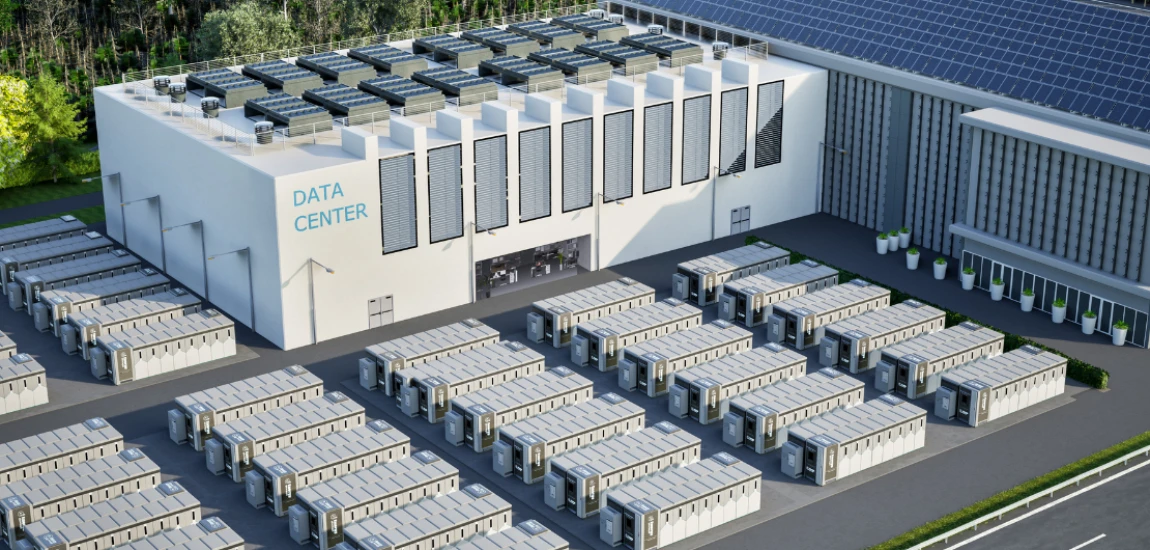
Smart edge computing systems are reshaping modern digital infrastructure by moving data processing closer to where it is generated. Traditional cloud computing models rely on centralized servers, which often introduce latency, bandwidth limitations, and slower response times. In contrast, edge computing enables real-time data processing at or near the source, significantly improving speed and efficiency. When combined with ultra-low latency intelligent infrastructure models, these systems create highly responsive environments capable of supporting advanced technologies such as autonomous systems, smart cities, industrial automation, and healthcare innovation. As the demand for instant data processing and seamless connectivity grows, smart edge computing systems are becoming essential for building scalable, intelligent, and future-ready digital ecosystems.
Understanding Smart Edge Computing Systems

What Is Edge Computing
Smart edge computing systems represent a distributed computing model where data processing occurs at the edge of the network rather than in centralized data centers. This approach minimizes the distance data must travel, reducing latency and enabling faster decision-making. Edge computing is particularly useful in scenarios where real-time processing is critical, such as autonomous vehicles and industrial automation.
Unlike traditional cloud-based systems, which require data to be transmitted to remote servers, edge computing allows devices to process data locally. This not only improves performance but also reduces the strain on network bandwidth. By handling data closer to its source, edge computing enhances efficiency and reliability.
Core Components of Edge Systems
Smart edge computing systems are composed of several key components, including edge devices, edge nodes, and communication networks. Edge devices, such as sensors and IoT devices, generate data in real time. Edge nodes process this data locally, enabling immediate insights and actions.
Communication networks connect these components, ensuring seamless data flow between devices and systems. These networks are designed to support high-speed data transmission and low latency, which are essential for real-time applications.
Importance in Modern Digital Infrastructure
As the volume of data generated by connected devices continues to grow, traditional cloud computing models are becoming less efficient. Smart edge computing systems address this challenge by distributing processing across multiple nodes, reducing latency and improving performance.
These systems are essential for enabling real-time applications, enhancing user experiences, and supporting the growing demand for intelligent infrastructure. They play a critical role in the development of next-generation technologies and digital ecosystems.
Ultra-Low Latency Intelligent Infrastructure Models

What Is Ultra-Low Latency Infrastructure
Ultra-low latency intelligent infrastructure refers to systems designed to process and respond to data almost instantly, often within milliseconds. This is achieved through optimized network design, localized processing, and efficient data management.
Such infrastructure is essential for applications that require immediate responses, such as real-time analytics, autonomous systems, and high-frequency trading. By minimizing delays, these systems enhance performance and reliability.
Role of Distributed Computing
Distributed computing is a key factor in achieving ultra-low latency. By distributing processing tasks across multiple nodes, systems can handle large volumes of data more efficiently and respond quickly to changes in the environment.
This decentralized approach reduces the workload on individual nodes and ensures that processing is performed closer to the data source. It also enhances system resilience and scalability.
Integration with 5G and Advanced Networks
The integration of edge computing with 5G technology significantly enhances performance by providing high-speed, low-latency connectivity. 5G networks support a large number of connected devices and enable faster data transmission.
This combination of edge computing and advanced networks creates a powerful infrastructure capable of supporting real-time applications and intelligent systems.
Key Technologies Powering Edge Computing Systems

Internet of Things (IoT) and Sensor Networks
IoT devices and sensor networks are fundamental to smart edge computing systems. These devices collect data from the environment and transmit it to edge nodes for processing. The widespread adoption of IoT has significantly increased the demand for edge computing solutions.
Sensor networks enable continuous data collection, providing valuable insights for real-time decision-making. They are used in various applications, including smart cities, healthcare, and industrial automation.
Artificial Intelligence at the Edge
Artificial intelligence enhances the capabilities of edge computing systems by enabling intelligent decision-making at the source of data. AI algorithms can analyze data locally, identify patterns, and make decisions without relying on centralized servers.
This reduces latency and improves system efficiency, making it possible to handle complex tasks in real time.
Edge Analytics and Real-Time Processing
Edge analytics involves processing and analyzing data at the edge to generate immediate insights. This enables faster decision-making and reduces the need for data transmission to centralized systems.
Real-time processing is critical for applications that require instant responses, such as autonomous vehicles and industrial control systems. Edge analytics plays a key role in enabling these capabilities.
Applications of Smart Edge Computing Systems

Autonomous Vehicles and Transportation
Smart edge computing systems are essential for autonomous vehicles, where real-time data processing is critical for safety and performance. These systems analyze data from sensors, cameras, and GPS to make decisions instantly.
By enabling real-time decision-making, edge computing enhances the safety and efficiency of autonomous transportation systems.
Smart Cities and Urban Infrastructure
In smart cities, edge computing is used to manage traffic, monitor environmental conditions, and optimize resource usage. These systems enable real-time data processing, improving the efficiency of urban infrastructure.
They also enhance the quality of life for residents by providing smarter and more responsive services.
Industrial Automation and Manufacturing
Edge computing is transforming industrial automation by enabling real-time monitoring and control of manufacturing processes. These systems improve efficiency, reduce downtime, and enhance productivity.
They also support predictive maintenance, reducing the risk of equipment failure and improving operational efficiency.


Gary Arndt operates "Everything Everywhere," a blog focusing on worldwide travel. An award-winning photographer, Gary shares stunning visuals alongside his travel tales.
Gary Arndt
Prev Post

Next Post