
Smart City Intelligence Systems and Urban Infrastructure Optimization Platforms
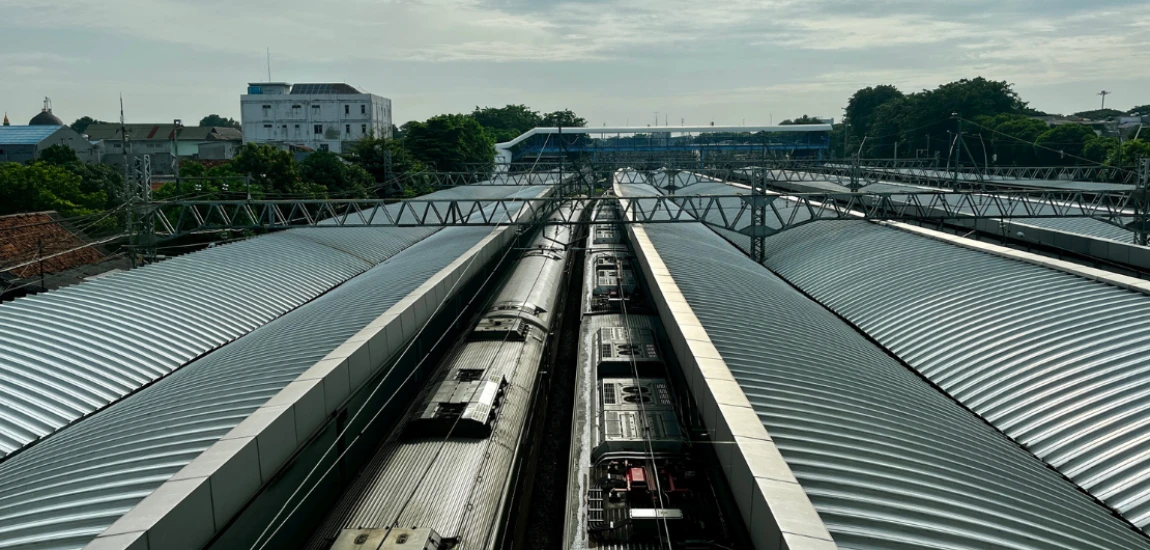
Smart city intelligence systems are rapidly transforming how urban environments are designed, managed, and optimized. As cities continue to grow in population and complexity, traditional infrastructure systems are struggling to keep up with increasing demands for energy, transportation, housing, and public services. This is where intelligent technologies such as artificial intelligence, the Internet of Things (IoT), and big data analytics come into play. By integrating these technologies into urban infrastructure, cities can become more efficient, sustainable, and responsive to the needs of their residents. Urban infrastructure optimization platforms enable real-time monitoring, predictive analysis, and automated decision-making, allowing city administrators to manage resources more effectively. From traffic management and waste collection to energy distribution and public safety, smart city systems are redefining urban living and paving the way for a more connected and sustainable future.
Understanding Smart City Intelligence Systems

Evolution of Urban Technologies
Urban environments have evolved significantly over time, transitioning from basic infrastructure systems to highly interconnected and intelligent networks. In the past, cities relied on manual processes and static systems that offered limited flexibility and responsiveness. However, with the advancement of digital technologies, cities are now embracing smart solutions that enable real-time monitoring and decision-making.
Smart city intelligence systems represent the next phase in this evolution, where data-driven technologies are integrated into every aspect of urban life. These systems leverage AI and IoT to collect and analyze data from various sources, enabling cities to operate more efficiently and effectively. This transformation is essential for addressing the challenges of urbanization, such as congestion, pollution, and resource management.
Key Components of Smart City Systems
Smart city systems are composed of several key components, including sensors, communication networks, data platforms, and analytics tools. Sensors are deployed across the city to collect data on various parameters, such as traffic flow, air quality, and energy consumption.
Communication networks enable the transmission of data between devices and systems, ensuring seamless connectivity. Data platforms store and process the collected data, while analytics tools generate insights that guide decision-making. Together, these components create a comprehensive ecosystem that supports intelligent urban management.
Importance for Modern Cities
The importance of smart city intelligence systems lies in their ability to improve efficiency, sustainability, and quality of life. By optimizing resource utilization and reducing waste, these systems help cities achieve their sustainability goals.
Additionally, smart city systems enhance public services, improve safety, and enable better decision-making. As cities continue to grow, the adoption of intelligent technologies will be crucial for ensuring sustainable and efficient urban development.
Core Technologies Behind Urban Infrastructure Optimization

Artificial Intelligence and Machine Learning
Artificial intelligence and machine learning are at the heart of urban infrastructure optimization platforms. These technologies enable systems to analyze large volumes of data, identify patterns, and make predictions.
AI-driven analytics can optimize traffic flow, predict energy demand, and improve public service delivery. Machine learning models continuously learn from data, enabling systems to adapt to changing conditions and improve performance over time.
Internet of Things (IoT) Integration
The Internet of Things plays a critical role in connecting devices and systems within a smart city. IoT sensors collect real-time data from various sources, such as traffic lights, utility meters, and environmental sensors.
This data is transmitted to centralized platforms for analysis, enabling city administrators to monitor and manage infrastructure effectively. IoT integration enhances visibility and enables proactive decision-making.
Cloud and Edge Computing
Cloud and edge computing technologies are essential for processing and managing the vast amounts of data generated by smart city systems. Cloud computing provides scalable storage and processing capabilities, while edge computing enables real-time data analysis at the source.
This combination ensures that systems can respond quickly to changing conditions while maintaining a centralized repository for data. It creates a robust infrastructure that supports efficient and scalable urban management.
Architecture of Smart City Intelligence Platforms

Data Collection and Management
The architecture of smart city intelligence platforms begins with data collection, where sensors and devices gather information from various sources. This data is then stored and managed using advanced data platforms.
Effective data management ensures that information is accurate, accessible, and secure. It also enables seamless integration with analytics tools and decision-making systems.
Integration with Urban Infrastructure
Smart city platforms must integrate with existing urban infrastructure, such as transportation systems, utilities, and public services. This integration enables a unified approach to city management, where all systems work together seamlessly.
Middleware and APIs are often used to facilitate communication between different components, ensuring interoperability and efficiency.
Real-Time Analytics and Decision-Making
Real-time analytics is a key feature of smart city intelligence systems. By analyzing data as it is generated, these systems can provide immediate insights and enable quick decision-making.
This capability is particularly important for applications such as traffic management and emergency response, where timely actions are critical.
Benefits of Smart City Intelligence Systems

Improved Efficiency and Resource Management
Smart city systems enhance efficiency by optimizing the use of resources, such as energy, water, and transportation. This reduces waste and lowers operational costs.
By automating processes and enabling data-driven decision-making, these systems improve overall productivity and performance.
Enhanced Sustainability and Environmental Impact
Sustainability is a major focus for modern cities, and smart city systems play a crucial role in achieving environmental goals. By monitoring and optimizing energy consumption, reducing emissions, and improving waste management, these systems contribute to a greener future.
They also enable cities to track environmental metrics and implement strategies for sustainable development.
Better Quality of Life for Citizens
Smart city intelligence systems improve the quality of life for residents by enhancing public services and infrastructure. From efficient transportation systems to improved healthcare and safety, these technologies create a more comfortable and convenient living environment.
They also enable greater citizen engagement and participation in urban planning and decision-making.


Kate McCulley, the voice behind "Adventurous Kate," provides travel advice tailored for women. Her blog encourages safe and adventurous travel for female readers.
Kate McCulley

Prev Post

Next Post