
Real-Time Language Translation Intelligence Systems and Universal Communication Frameworks
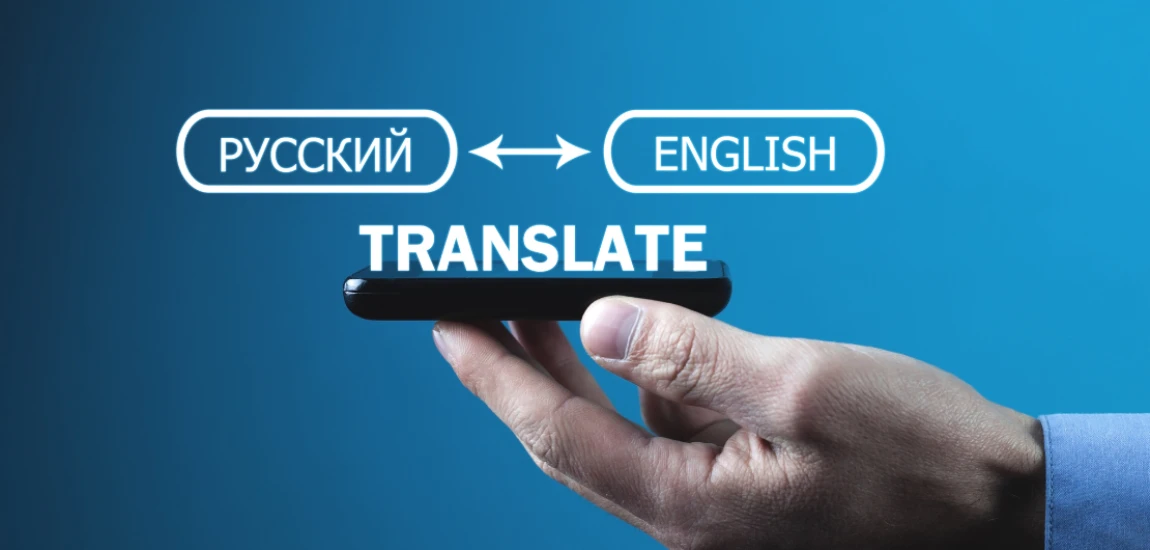
Global communication has become more important than ever in today’s digitally connected world. Businesses, governments, educational institutions, and individuals regularly interact across multiple languages and cultural boundaries. However, language barriers continue to create communication challenges that affect collaboration, customer service, international trade, healthcare, and global information sharing. Traditional translation methods are often slow, expensive, and limited in scalability, making them insufficient for real-time digital communication needs. Real-time language translation intelligence systems and universal communication frameworks are transforming how people communicate by enabling instant multilingual interaction powered by artificial intelligence. These advanced systems use machine learning, natural language processing, speech recognition, and neural translation models to deliver highly accurate translations in real time. From live video conferencing and multilingual customer support to international education and healthcare services, intelligent translation technologies are helping create a more connected and accessible global society. As AI continues to evolve, universal communication systems are becoming increasingly sophisticated, adaptive, and essential for the future of global communication.
Understanding Real-Time Language Translation Intelligence Systems

Real-time language translation intelligence systems are advanced AI-powered platforms designed to translate spoken and written language instantly across multiple languages and communication channels.
Artificial Intelligence and Neural Translation Models
Modern translation systems rely heavily on artificial intelligence and neural machine translation technologies. Unlike traditional rule-based translation systems, neural models learn language structures, grammar, context, and sentence patterns through large datasets and deep learning algorithms.
AI-powered translation engines analyze entire sentences instead of translating individual words separately. This improves translation accuracy, contextual understanding, and natural language flow.
Neural translation systems continuously improve over time by learning from user interactions, multilingual datasets, and evolving communication patterns. This adaptive capability enables more accurate and human-like translations across diverse languages.
Real-Time Speech Recognition and Voice Translation
Speech recognition technologies are a critical component of intelligent translation systems. AI-driven speech processing models convert spoken language into text, translate it instantly, and generate translated audio output in the target language.
These systems support multilingual voice communication during meetings, live broadcasts, customer support interactions, and online learning sessions. Real-time voice translation eliminates communication delays and improves accessibility for international collaboration.
Advanced voice translation platforms can also identify accents, speech patterns, and emotional tones, improving translation quality and conversational clarity.
Contextual Understanding and Semantic Analysis
One of the biggest challenges in language translation is understanding context and semantic meaning. Words and phrases often have multiple meanings depending on cultural, social, and conversational context.
AI-driven translation systems use semantic analysis and contextual learning to interpret meaning more accurately. These technologies help avoid translation errors caused by idioms, slang, technical terminology, and regional language variations.
Context-aware translation systems improve communication effectiveness by delivering more precise and culturally appropriate translations.
The Role of Universal Communication Frameworks

Universal communication frameworks are integrated digital ecosystems that support seamless multilingual interaction across devices, platforms, and communication environments.
Cross-Platform Communication Integration
Modern communication systems involve multiple platforms such as messaging apps, video conferencing tools, email systems, social media platforms, and customer support channels. Universal communication frameworks integrate translation capabilities directly into these platforms.
AI-powered communication frameworks enable users to communicate in different languages without switching applications or using separate translation tools. This improves workflow efficiency and enhances user experience.
Cross-platform integration is especially valuable for multinational businesses, global educational institutions, and international organizations that require continuous multilingual collaboration.
Multilingual Collaboration and Global Connectivity
Universal communication frameworks support global collaboration by enabling individuals and teams from different linguistic backgrounds to interact more effectively.
Businesses can conduct multilingual meetings, provide international customer support, and manage global operations more efficiently using intelligent communication systems. Educational institutions can deliver multilingual learning experiences and improve accessibility for international students.
Global connectivity is strengthened when language barriers are minimized, allowing more inclusive participation in digital communication environments.
Accessibility and Inclusive Communication
AI-driven communication systems improve accessibility for people with hearing impairments, language limitations, or literacy challenges. Real-time captioning, voice-to-text conversion, and multilingual transcription services make communication more inclusive.
Universal communication frameworks also support accessibility in healthcare, emergency response services, and government communication systems where clear multilingual communication is essential.
Inclusive communication technologies help ensure equal access to information and services regardless of language or communication ability.
Key Technologies Behind Intelligent Translation Systems

Several advanced technologies work together to power real-time translation intelligence systems and multilingual communication platforms.
Natural Language Processing and Linguistic Modeling
Natural language processing enables AI systems to understand, interpret, and generate human language. NLP technologies analyze grammar, syntax, semantics, and contextual relationships within text and speech.
Linguistic modeling improves translation quality by teaching AI systems how languages are structured and how meaning changes in different contexts. NLP systems also support sentiment analysis, intent recognition, and conversational AI functionalities.
As NLP technologies become more advanced, translation systems are becoming increasingly accurate and capable of handling complex multilingual communication tasks.
Deep Learning and Adaptive AI Algorithms
Deep learning technologies enable translation systems to process massive multilingual datasets and identify patterns within language structures. Adaptive AI algorithms continuously improve translation accuracy by learning from new interactions and feedback.
Machine learning models can analyze billions of translated phrases and conversations to optimize performance across different languages and industries.
Adaptive AI systems also support domain-specific translation capabilities for healthcare, law, finance, engineering, and scientific research.
Cloud Computing and Edge Translation Processing
Cloud computing infrastructure provides the computational power needed for large-scale translation services and multilingual data processing. Cloud-based AI systems can support millions of simultaneous translation requests globally.
Edge processing technologies improve response speed by performing translation tasks locally on devices instead of relying entirely on cloud servers. This reduces latency and improves real-time communication performance.
Cloud and edge integration creates scalable and efficient translation ecosystems capable of supporting global communication demands.
Applications of Real-Time Translation Intelligence Systems

Real-time language translation technologies are transforming multiple industries and communication environments worldwide.
International Business and Customer Support
Global businesses rely heavily on multilingual communication for customer service, marketing, and operational management. AI-driven translation systems help companies interact with international customers more efficiently.
Multilingual chatbots, virtual assistants, and customer support platforms provide instant translations during conversations, reducing language barriers and improving customer satisfaction.
Real-time translation also supports international negotiations, cross-border collaboration, and global e-commerce operations.
Healthcare and Medical Communication
Healthcare providers often face communication challenges when treating patients who speak different languages. Real-time translation systems improve communication between doctors, nurses, patients, and caregivers.
AI-powered medical translation platforms help translate symptoms, treatment instructions, and medical records more accurately. This improves patient care quality and reduces the risk of misunderstandings.
Translation technologies are especially valuable during emergencies and telemedicine consultations involving multilingual patients.
Education and Online Learning Platforms
Educational institutions use intelligent translation systems to deliver multilingual learning experiences and improve accessibility for global students.
AI-powered subtitles, live lecture translation, and multilingual educational content help students learn more effectively regardless of their native language.
Online learning platforms benefit significantly from universal communication frameworks because they support international collaboration and global knowledge sharing.


Gary Arndt operates "Everything Everywhere," a blog focusing on worldwide travel. An award-winning photographer, Gary shares stunning visuals alongside his travel tales.
Gary Arndt

Prev Post
Next Post