
Quantum-Neuromorphic Computing Systems and Brain-Inspired Hybrid Processing Architectures
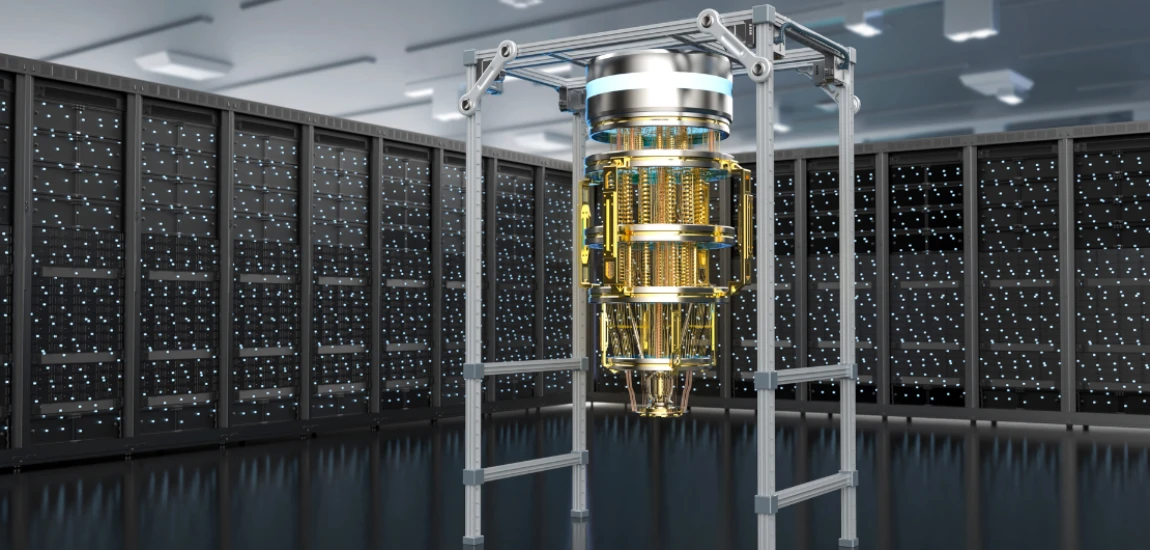
Quantum-Neuromorphic Computing Systems and Brain-Inspired Hybrid Processing Architectures represent a groundbreaking convergence of two of the most advanced computing paradigms: quantum computing and neuromorphic engineering. While quantum computing leverages the principles of quantum mechanics to perform complex calculations at unprecedented speeds, neuromorphic computing mimics the structure and functionality of the human brain to enable adaptive learning and energy-efficient processing. By integrating these two approaches, researchers and organizations are developing hybrid systems capable of solving highly complex problems, learning dynamically, and operating with remarkable efficiency. As industries demand faster, smarter, and more scalable solutions, quantum-neuromorphic systems are emerging as a transformative force that could redefine the future of artificial intelligence, data processing, and computational science.
Understanding Quantum-Neuromorphic Computing Systems

What Is Quantum-Neuromorphic Computing
Quantum-neuromorphic computing systems are hybrid architectures that combine quantum computing capabilities with brain-inspired neural processing models. These systems aim to harness the parallelism and probabilistic nature of quantum mechanics alongside the adaptive learning and efficiency of neuromorphic systems.
Unlike classical computers, which process information sequentially, quantum systems use qubits that can exist in multiple states simultaneously. When combined with neuromorphic architectures, these systems can process vast amounts of data in parallel while continuously learning and adapting to new inputs. This creates a powerful computational framework capable of addressing problems that are currently beyond the reach of traditional systems.
Evolution of Hybrid Computing Models
The development of hybrid computing models has been driven by the limitations of traditional computing architectures. As data volumes grow and computational challenges become more complex, there is a need for systems that can process information more efficiently and intelligently.
Quantum-neuromorphic systems represent the next step in this evolution. By integrating quantum and neuromorphic technologies, these systems overcome the limitations of each approach individually. This synergy enables new capabilities, such as real-time learning and ultra-fast computation, which are essential for modern applications.
Importance in Next-Generation Computing
Quantum-neuromorphic computing systems are poised to play a critical role in the future of computing. They offer the potential to revolutionize fields such as artificial intelligence, optimization, and scientific research.
By enabling faster and more efficient processing, these systems can accelerate innovation and drive new discoveries. Their ability to adapt and learn in real time makes them particularly valuable in dynamic environments where traditional systems struggle to keep up.
Core Components of Brain-Inspired Hybrid Architectures

Quantum Processing Units
Quantum processing units (QPUs) are the core components of quantum computing systems. They use qubits to perform calculations based on quantum principles such as superposition and entanglement.
In quantum-neuromorphic systems, QPUs handle complex computations that require high levels of parallelism. This allows the system to process large datasets and solve intricate problems more efficiently than classical processors.
Neuromorphic Chips and Neural Networks
Neuromorphic chips are designed to mimic the structure and function of the human brain. They use artificial neurons and synapses to process information in a way that is similar to biological systems.
These chips are highly energy-efficient and capable of learning from data in real time. When integrated with quantum processors, they enable the system to adapt and improve its performance continuously.
Integration and Communication Frameworks
The integration of quantum and neuromorphic components requires advanced communication frameworks that can handle the exchange of data between different processing units. These frameworks ensure that the system operates seamlessly and efficiently.
Effective integration is essential for maximizing the benefits of hybrid architectures. It enables the system to leverage the strengths of both quantum and neuromorphic computing, creating a unified and powerful computational platform.
Applications Across Industries

Artificial Intelligence and Machine Learning
Quantum-neuromorphic computing systems have the potential to revolutionize artificial intelligence and machine learning. By combining quantum speed with neuromorphic adaptability, these systems can process complex datasets and develop more accurate models.
This enables faster training of AI models, improved pattern recognition, and enhanced decision-making capabilities. As a result, organizations can develop more advanced and intelligent systems.
Healthcare and Drug Discovery
In healthcare, these systems can be used to analyze complex biological data and accelerate drug discovery. Quantum computing enables the simulation of molecular interactions, while neuromorphic systems provide adaptive learning capabilities.
This combination allows researchers to identify potential treatments more quickly and accurately. It also enables personalized medicine by analyzing patient data and predicting treatment outcomes.
Financial Modeling and Optimization
Financial institutions can use quantum-neuromorphic systems to perform complex modeling and optimization tasks. These systems can analyze market trends, predict risks, and optimize investment strategies.
By leveraging advanced computing capabilities, organizations can make more informed decisions and improve their financial performance.
Benefits of Quantum-Neuromorphic Computing Systems

Unmatched Processing Power
One of the most significant advantages of quantum-neuromorphic systems is their processing power. By combining quantum parallelism with neuromorphic efficiency, these systems can perform calculations at speeds far beyond traditional computers.
This enables organizations to solve complex problems more quickly and efficiently, driving innovation and growth.
Energy Efficiency and Sustainability
Neuromorphic systems are designed to be highly energy-efficient, making them an ideal complement to quantum computing. By reducing energy consumption, these systems contribute to more sustainable computing practices.
This is particularly important as the demand for computational power continues to grow, increasing the need for energy-efficient solutions.
Adaptive Learning Capabilities
Quantum-neuromorphic systems can learn and adapt in real time, enabling them to improve their performance continuously. This makes them highly effective in dynamic environments where conditions change rapidly.
Their ability to adapt also reduces the need for manual intervention, improving efficiency and reducing operational costs.


Known as "Nomadic Matt," Matthew Kepnes offers practical travel advice with a focus on budget backpacking. His blog aims to help people travel cheaper and longer.
Matthew Kepnes

Prev Post

Next Post