
Neural Interface Security and Cognitive Data Protection: Safeguarding the Future of Brain-Computer Technology
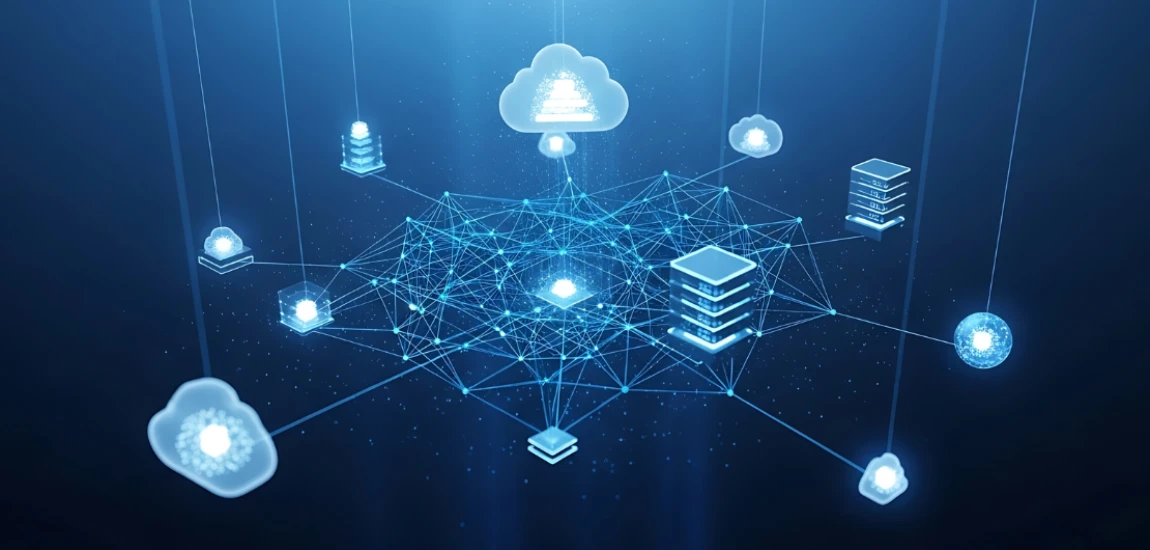
As technology continues to advance at an unprecedented pace, the boundary between humans and machines is becoming increasingly blurred. One of the most groundbreaking innovations in this space is the development of brain-computer interfaces (BCIs), which enable direct communication between the human brain and digital systems. While these technologies promise transformative benefits in healthcare, communication, and human augmentation, they also introduce new and complex security challenges. This is where neural interface security and cognitive data protection become critically important.
Neural interfaces have the potential to access and process highly sensitive cognitive data, including thoughts, emotions, and neural patterns. Unlike traditional data, cognitive data is deeply personal and cannot be easily changed if compromised. Protecting this information requires a new paradigm of cybersecurity tailored specifically to neurotechnology.
This blog explores the fundamentals of neural interface security, the importance of protecting cognitive data, key technologies, real-world applications, challenges, and future trends shaping this emerging field.
Understanding Neural Interfaces and Cognitive Data

What Are Neural Interfaces?
Neural interfaces, commonly known as brain-computer interfaces (BCIs), are systems that enable direct communication between the brain and external devices. These interfaces can read neural signals, interpret them, and translate them into digital commands.
BCIs are used in various applications, such as assisting individuals with disabilities, enabling communication for paralyzed patients, and enhancing human capabilities. They rely on sensors, electrodes, and advanced algorithms to capture and process brain activity.
As these technologies evolve, they are becoming more sophisticated, capable of both reading and influencing neural signals.
What Is Cognitive Data?
Cognitive data refers to information derived from brain activity, including thoughts, intentions, emotions, and behavioral patterns. This type of data is highly sensitive and unique to each individual.
Unlike traditional personal data, cognitive data provides insights into a person’s inner experiences, making it one of the most valuable and vulnerable forms of information.
Protecting cognitive data is essential to ensure privacy, autonomy, and ethical use of neurotechnology.
Importance of Securing Neural Systems
Securing neural interfaces is crucial to prevent unauthorized access, manipulation, or misuse of cognitive data. A breach in such systems could have serious consequences, including loss of privacy, identity theft, or even physical harm.
As neural technologies become more widespread, ensuring their security will be a top priority for developers, regulators, and users.
Key Threats to Neural Interface Security

Unauthorized Access and Data Breaches
One of the primary risks associated with neural interfaces is unauthorized access. Hackers could potentially intercept neural signals or gain access to stored cognitive data.
This could lead to the exposure of sensitive information, including personal thoughts and intentions.
Neural Manipulation and Brain Hacking
A more concerning threat is the possibility of neural manipulation. Malicious actors could alter neural signals, influencing thoughts, emotions, or actions.
This concept, often referred to as “brain hacking,” raises serious ethical and security concerns.
Malware and System Exploits
Like any digital system, neural interfaces are vulnerable to malware and software vulnerabilities. Exploits in the system could allow attackers to disrupt functionality or gain control over the interface.
Ensuring robust software security is essential to mitigate these risks.
Technologies for Cognitive Data Protection

Encryption and Secure Communication
Encryption is a fundamental tool for protecting cognitive data. By encrypting neural signals and stored data, systems can prevent unauthorized access.
Secure communication protocols ensure that data transmitted between the brain and devices remains confidential and tamper-proof.
AI-Based Threat Detection
Artificial intelligence can be used to detect and respond to security threats in real time. AI algorithms can analyze patterns and identify anomalies, helping to prevent attacks before they occur.
This proactive approach enhances the security of neural systems.
Hardware-Level Security Measures
Hardware-based security measures, such as secure chips and tamper-resistant devices, provide an additional layer of protection. These measures ensure that even if software is compromised, the system remains secure.
Combining hardware and software security creates a robust defense against threats.
Applications and Use Cases

Healthcare and Medical Devices
In healthcare, neural interfaces are used for rehabilitation, prosthetics, and neurological treatments. Securing these systems is essential to protect patient data and ensure safe operation.
Any breach could compromise patient safety and trust.
Military and Defense Systems
Neural technologies are being explored for military applications, such as enhanced communication and cognitive augmentation. Security is critical in these scenarios to prevent misuse or exploitation.
Protecting cognitive data in defense systems is a matter of national security.
Consumer Technology and Wearables
As neural interfaces become more accessible, they are being integrated into consumer devices such as wearables and gaming systems. Ensuring security in these applications is vital to protect user privacy.
This will become increasingly important as adoption grows.
Benefits of Strong Neural Security

Protection of Personal Privacy
Strong security measures ensure that cognitive data remains private and protected. This is essential for maintaining user trust and confidence in neural technologies.
Privacy protection is a fundamental requirement for widespread adoption.
Prevention of Cyber Threats
Robust security systems can prevent cyber threats, including hacking and data breaches. This reduces the risk of misuse and ensures the safe operation of neural interfaces.
Proactive security measures are key to mitigating risks.
Ethical and Responsible Use
Ensuring security also supports ethical use of neural technologies. It prevents misuse and ensures that systems are used responsibly.
This is crucial for maintaining public trust and acceptance.


Shivya Nath authors "The Shooting Star," a blog that covers responsible and off-the-beaten-path travel. She writes about sustainable tourism and community-based experiences.
Shivya Nath

Prev Post

Next Post