
Intelligent Water Management Systems and Sustainable Resource Optimization Technologies
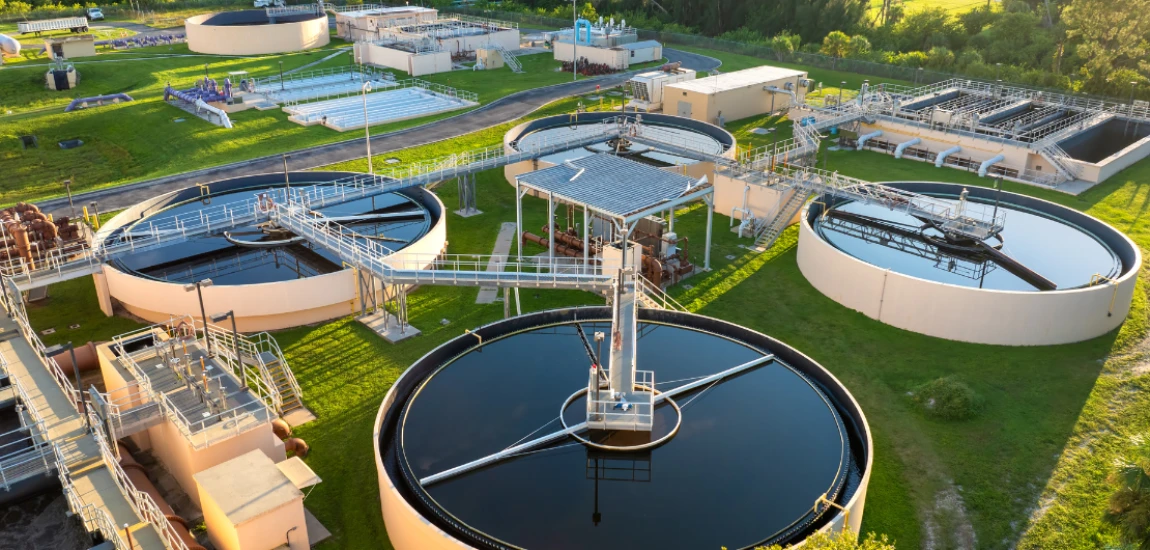
Water is one of the most valuable resources on Earth, supporting human health, agriculture, industry, ecosystems, and economic development. Despite its importance, growing populations, urbanization, climate change, pollution, and inefficient infrastructure are placing increasing pressure on global water supplies. Many regions face recurring droughts, groundwater depletion, aging distribution systems, and rising water demand, making sustainable resource management a critical challenge for the twenty-first century.
Traditional water management methods often rely on manual monitoring, reactive maintenance, and limited data visibility. These approaches can lead to water losses, inefficient distribution, delayed responses to infrastructure failures, and inadequate resource planning. As water scarcity becomes a growing concern worldwide, governments, utilities, and organizations are seeking innovative solutions that improve efficiency while ensuring long-term sustainability.
Intelligent water management systems represent a transformative approach to addressing these challenges. By integrating artificial intelligence, Internet of Things (IoT) sensors, cloud computing, predictive analytics, digital twins, and automation technologies, these systems provide real-time visibility into water networks and resource usage patterns. They enable proactive decision-making, optimize resource allocation, and support sustainable water conservation efforts.
Sustainable resource optimization technologies further enhance these capabilities by helping organizations maximize efficiency, reduce waste, improve infrastructure performance, and adapt to changing environmental conditions. Together, these innovations are reshaping how water resources are managed and protected for future generations.
As smart cities and sustainable development initiatives continue to expand, intelligent water management systems are becoming essential components of modern environmental and infrastructure strategies.
Understanding Intelligent Water Management Systems

The Evolution of Water Resource Management
Water management has evolved significantly over the centuries. Early civilizations relied on canals, reservoirs, and irrigation systems to support agriculture and urban development. Modern water infrastructure introduced treatment facilities, pipelines, pumping stations, and large-scale distribution networks.
However, many traditional systems were designed for historical conditions and often lack the flexibility required to address modern challenges. Population growth, climate variability, and increasing resource demands have exposed limitations in conventional management approaches.
Intelligent water management systems represent the next stage of evolution. These systems leverage digital technologies to transform water infrastructure into connected, data-driven ecosystems capable of monitoring, analyzing, and optimizing operations continuously.
By shifting from reactive management to proactive decision-making, intelligent systems significantly improve efficiency and resilience.
Core Components of Smart Water Infrastructure
Modern intelligent water systems consist of multiple interconnected technologies working together. IoT sensors collect real-time data on water quality, pressure, flow rates, consumption patterns, and infrastructure conditions.
Artificial intelligence platforms analyze this information to identify trends, detect anomalies, and generate actionable insights. Cloud-based platforms provide centralized visibility and enable remote management of complex water networks.
Advanced automation systems can adjust operations dynamically, optimizing distribution and resource allocation based on changing conditions. Together, these components create a comprehensive framework for smarter water management.
The integration of these technologies enables utilities and organizations to manage resources more effectively while reducing operational costs.
Why Intelligence Matters in Water Management
Water systems are becoming increasingly complex due to urban expansion, industrial development, and environmental pressures. Managing these systems efficiently requires access to accurate and timely information.
Intelligent water management systems provide the visibility necessary to make informed decisions. Real-time monitoring enables rapid responses to leaks, equipment failures, contamination events, and demand fluctuations.
By improving situational awareness and operational efficiency, these technologies help ensure reliable water availability while supporting long-term sustainability goals.
Artificial Intelligence and Data Analytics in Water Optimization

Transforming Decision-Making Through AI
Artificial intelligence has emerged as a powerful tool for water resource optimization. AI algorithms can process enormous volumes of data from sensors, weather forecasts, consumption records, and infrastructure systems.
Machine learning models identify patterns that would be difficult for humans to detect manually. These insights support more accurate forecasting, improved resource planning, and better operational decision-making.
AI-driven systems continuously learn from new information, allowing them to adapt to changing environmental conditions and evolving resource demands.
This capability makes artificial intelligence a cornerstone of next-generation water management strategies.
Predictive Analytics for Resource Planning
Predictive analytics helps organizations anticipate future water demands and infrastructure requirements. By analyzing historical trends and real-time data, intelligent systems can forecast consumption patterns, drought risks, and supply challenges.
Utilities can use these predictions to optimize reservoir management, schedule maintenance activities, and allocate resources more efficiently. Proactive planning reduces uncertainty and improves overall system reliability.
The ability to anticipate future conditions is particularly valuable in regions facing climate variability and water scarcity.
Enhancing Operational Efficiency
Operational efficiency is a critical objective for water utilities and infrastructure operators. Intelligent analytics platforms identify opportunities to reduce waste, improve performance, and optimize resource utilization.
AI systems can recommend adjustments to pumping schedules, treatment processes, and distribution strategies based on real-time conditions. These optimizations lower energy consumption and operational expenses while improving service quality.
As analytical capabilities continue to advance, water management systems will become increasingly efficient and adaptive.
Smart Water Distribution Networks and Infrastructure Resilience

Building Connected Distribution Systems
Water distribution networks are essential for delivering clean water to homes, businesses, and industries. Intelligent technologies are transforming these networks into highly connected systems capable of real-time monitoring and control.
Smart sensors installed throughout pipelines and infrastructure continuously measure pressure, flow rates, and system performance. This information provides operators with unprecedented visibility into network conditions.
Connected distribution systems improve reliability and enable faster responses to operational challenges.
The result is a more resilient and efficient water infrastructure capable of meeting modern demands.
Detecting Leaks and Reducing Water Loss
Water loss due to leaks represents a significant challenge for utilities worldwide. Aging infrastructure and undetected failures can result in substantial resource waste and financial losses.
Intelligent monitoring systems use sensors and machine learning algorithms to identify leaks quickly and accurately. Early detection enables maintenance teams to address issues before they escalate into major problems.
Reducing water loss not only conserves valuable resources but also lowers operational costs and improves system sustainability.
Leak detection technologies are among the most impactful applications of intelligent water management.
Strengthening Infrastructure Resilience
Climate change and extreme weather events are placing increasing stress on water infrastructure. Floods, droughts, storms, and temperature fluctuations can disrupt operations and damage critical assets.
Intelligent systems enhance resilience by providing early warning capabilities and supporting proactive maintenance strategies. Operators can identify vulnerabilities, monitor asset conditions, and implement preventive measures before failures occur.
Resilient infrastructure is essential for ensuring reliable water services in an increasingly uncertain environment.
Sustainable Resource Optimization in Agriculture and Industry

Improving Agricultural Water Efficiency
Agriculture is one of the largest consumers of freshwater resources globally. Efficient irrigation practices are essential for balancing food production with water conservation objectives.
Intelligent water management technologies help farmers optimize irrigation schedules based on soil conditions, weather forecasts, and crop requirements. Precision irrigation systems deliver water only where and when it is needed.
These capabilities reduce waste, improve crop yields, and support sustainable agricultural practices.
As water scarcity becomes more prevalent, smart irrigation technologies will play a vital role in global food security.
Supporting Sustainable Industrial Operations
Industrial facilities require substantial water resources for manufacturing, cooling, cleaning, and processing activities. Sustainable resource optimization technologies help organizations reduce consumption and improve efficiency.
Real-time monitoring systems track usage patterns and identify opportunities for conservation. Advanced analytics support process optimization and resource recycling initiatives.
These improvements reduce operational costs while helping organizations achieve environmental sustainability goals.
Water-efficient industrial operations contribute to both economic and ecological benefits.
Advancing Circular Water Management
Circular water management focuses on maximizing resource value through reuse, recycling, and recovery strategies. Intelligent systems facilitate these approaches by monitoring water quality and optimizing treatment processes.
Advanced technologies enable organizations to reuse treated wastewater for irrigation, industrial operations, and other non-potable applications. This reduces dependence on freshwater supplies and enhances resource sustainability.
Circular approaches are becoming increasingly important components of modern water management frameworks.


Operating "The Blonde Abroad," Kiersten Rich specializes in solo female travel. Her blog provides destination guides, packing tips, and travel resources.
Kiersten Rich

Prev Post

Next Post