
Intelligent Energy Grid Optimization Systems and Renewable Power Distribution Networks
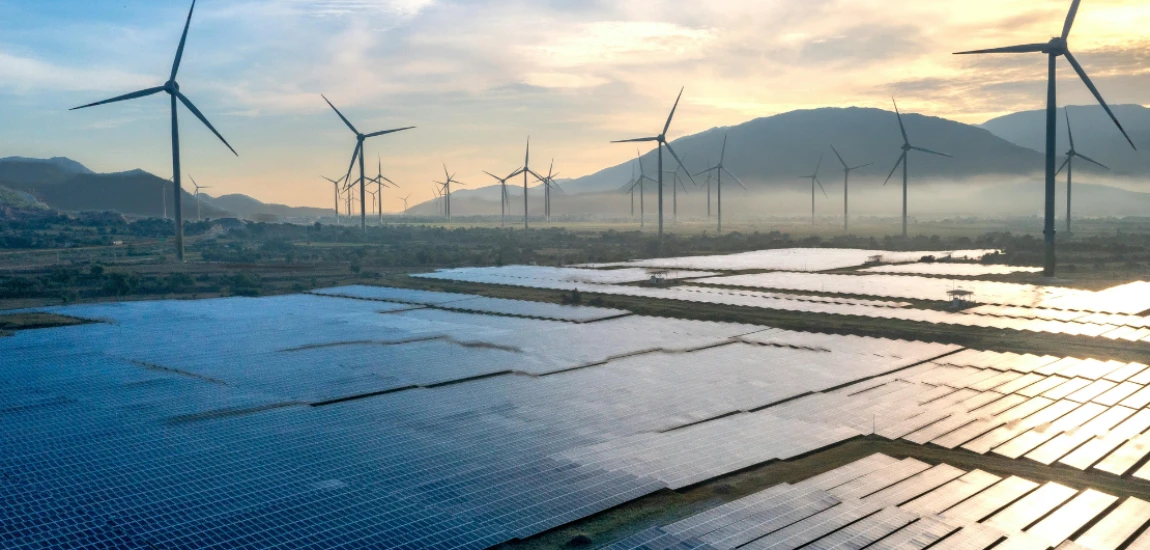
The global energy industry is undergoing a major transformation as governments, industries, and communities transition toward cleaner and more sustainable energy solutions. Traditional power grids were designed for centralized electricity generation and predictable energy consumption patterns, but modern energy demands have become increasingly complex due to renewable power integration, electric vehicles, decentralized energy systems, and rising electricity consumption. Intelligent energy grid optimization systems and renewable power distribution networks are emerging as essential technologies for managing these evolving energy ecosystems. By combining artificial intelligence, machine learning, smart sensors, IoT connectivity, and predictive analytics, modern energy grids can optimize electricity distribution, reduce energy waste, improve grid reliability, and support renewable energy integration more effectively. From smart cities and industrial automation to residential energy management and national power infrastructure, intelligent grid technologies are transforming how electricity is generated, distributed, and consumed. As sustainability and energy efficiency become global priorities, AI-powered grid optimization systems are playing a critical role in shaping the future of renewable energy and smart power management.
Understanding Intelligent Energy Grid Optimization Systems

Intelligent energy grid optimization systems are advanced digital infrastructures designed to monitor, manage, and optimize electricity generation and distribution using artificial intelligence and real-time data analytics.
Smart Grid Automation and Digital Intelligence
Traditional energy grids rely heavily on manual monitoring and fixed operational models. In contrast, intelligent energy grids use automated control systems and AI-driven analytics to manage energy flow dynamically.
Smart grid automation enables power systems to detect faults, balance electricity loads, and optimize power distribution in real time. AI algorithms analyze energy demand patterns, weather conditions, and infrastructure performance to improve grid efficiency continuously.
Digital intelligence also enhances decision-making capabilities within energy networks by providing predictive insights and automated responses to operational challenges.
Real-Time Energy Monitoring and Predictive Analytics
Modern energy grids generate massive amounts of operational data from smart meters, sensors, transformers, and renewable energy systems. Intelligent grid optimization platforms process this data in real time to monitor energy consumption and identify inefficiencies.
Predictive analytics technologies help utility providers forecast electricity demand, detect potential equipment failures, and optimize maintenance schedules. These insights improve reliability while reducing operational costs and downtime.
Real-time monitoring also enables faster responses to power outages, voltage fluctuations, and cybersecurity threats affecting energy infrastructure.
AI-Driven Energy Demand Management
Energy demand fluctuates throughout the day due to weather changes, industrial activity, and consumer behavior. AI-powered energy management systems analyze historical and real-time data to predict consumption trends accurately.
Intelligent demand management helps utility providers balance electricity supply and demand more efficiently, preventing overloads and reducing unnecessary energy generation.
Demand-response programs also encourage consumers to adjust energy usage during peak hours, improving grid stability and reducing strain on power infrastructure.
The Role of Renewable Power Distribution Networks

Renewable power distribution networks are advanced energy infrastructures designed to support the efficient integration and distribution of renewable energy sources such as solar, wind, hydroelectric, and geothermal power.
Integration of Renewable Energy Sources
One of the biggest challenges in renewable energy management is handling intermittent power generation. Solar panels and wind turbines generate electricity based on environmental conditions, making power output less predictable than traditional fossil-fuel plants.
Intelligent distribution networks use AI-driven forecasting systems to predict renewable energy production based on weather patterns, sunlight levels, and wind conditions. These systems help maintain grid stability while maximizing renewable energy utilization.
Efficient renewable integration reduces dependence on fossil fuels and supports global carbon reduction goals.
Decentralized Energy Distribution Systems
Traditional energy systems are highly centralized, but renewable power networks increasingly rely on decentralized generation models. Homes, businesses, and local communities can generate electricity through rooftop solar panels, battery storage systems, and microgrids.
Decentralized distribution networks allow locally generated renewable power to be shared across connected energy systems. AI technologies manage energy flow between producers and consumers efficiently.
This decentralized approach improves energy resilience and reduces transmission losses associated with long-distance electricity distribution.
Smart Microgrids and Energy Resilience
Microgrids are localized energy systems capable of operating independently or in coordination with larger power grids. Intelligent microgrids use AI and IoT technologies to manage energy generation, storage, and consumption dynamically.
Smart microgrids improve resilience during natural disasters, cyberattacks, and power outages by maintaining local electricity supply even when central grids fail.
These systems are particularly valuable for remote communities, hospitals, military facilities, and critical infrastructure requiring uninterrupted power access.
Key Technologies Behind Intelligent Energy Networks

Several advanced technologies support the development of smart energy grids and renewable power optimization systems.
Artificial Intelligence and Machine Learning
Artificial intelligence is central to modern energy optimization systems. AI algorithms analyze energy usage patterns, forecast electricity demand, and optimize grid operations automatically.
Machine learning models continuously improve forecasting accuracy by learning from historical consumption data and operational trends. These systems help energy providers reduce waste and improve resource allocation.
AI-driven automation also supports autonomous grid management, enabling faster responses to operational disruptions and infrastructure failures.
Internet of Things and Smart Sensors
IoT devices and smart sensors collect real-time data from energy infrastructure components such as transformers, substations, smart meters, and renewable power systems.
These sensors monitor voltage levels, energy consumption, equipment temperature, and operational performance continuously. Real-time visibility improves maintenance efficiency and supports predictive infrastructure management.
Smart sensors also enhance transparency by allowing consumers to monitor and manage their own energy usage more effectively.
Energy Storage and Battery Technologies
Renewable energy systems require advanced storage solutions to manage fluctuating electricity generation. Battery storage technologies help store excess renewable energy for later use during periods of low generation.
AI-powered energy management systems optimize battery charging and discharging cycles to improve efficiency and extend battery lifespan.
Energy storage technologies are becoming increasingly important for balancing renewable energy supply and ensuring grid reliability.
Applications of Intelligent Energy Grid Optimization Systems

Smart energy technologies are transforming multiple industries and infrastructure systems through intelligent power management and renewable integration.
Smart Cities and Urban Infrastructure
Smart cities rely heavily on intelligent energy grids to manage electricity consumption, transportation systems, public lighting, and environmental sustainability initiatives.
AI-powered grid systems optimize energy usage across urban infrastructure by analyzing traffic patterns, building occupancy, and weather conditions in real time.
Smart urban energy management reduces carbon emissions, lowers operational costs, and improves overall city sustainability.
Industrial Energy Management and Automation
Industrial facilities consume massive amounts of electricity, making energy optimization critical for operational efficiency and cost reduction.
Intelligent grid systems help factories monitor power consumption, optimize production schedules, and reduce energy waste through predictive analytics and automation technologies.
AI-powered industrial energy management also supports sustainability goals by improving renewable energy integration within manufacturing operations.
Residential Smart Energy Solutions
Home energy management systems allow consumers to monitor electricity usage, control smart appliances, and optimize household energy consumption.
AI-powered residential systems can automatically adjust heating, cooling, lighting, and appliance usage based on occupancy patterns and electricity pricing.
Smart home energy technologies improve efficiency while helping consumers reduce utility costs and environmental impact.


Dave Lee runs "GoBackpacking," a blog that blends travel stories with how-to guides. He aims to inspire backpackers and offer them practical advice.
Dave Lee
Prev Post

Next Post