
Intelligent Digital Twin Ecosystems and Real-Time Planetary Infrastructure Modeling Architectures

The modern world depends on an enormous network of interconnected infrastructure systems. Transportation networks, energy grids, communication systems, water distribution facilities, industrial complexes, urban developments, and environmental management platforms collectively support billions of people every day. As populations grow and infrastructure becomes increasingly complex, managing these systems efficiently presents significant challenges.
Traditional infrastructure management often relies on periodic inspections, historical data analysis, and reactive maintenance strategies. While these approaches have served industries for decades, they struggle to keep pace with rapidly changing environmental conditions, growing urbanization, and increasing operational demands. Unexpected failures, resource inefficiencies, and delayed responses can result in significant economic and societal consequences.
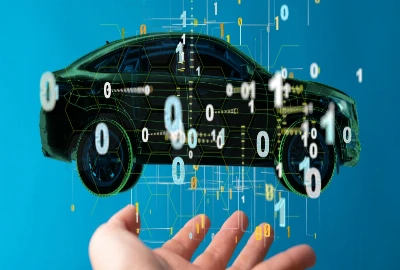
Intelligent Digital Twin Ecosystems represent a revolutionary advancement in infrastructure management. By creating highly detailed virtual replicas of physical assets and continuously updating them using real-time data streams, digital twins provide unprecedented visibility into system performance. These virtual models allow organizations to monitor, analyze, predict, and optimize operations with remarkable accuracy.
Real-Time Planetary Infrastructure Modeling Architectures take this concept even further by integrating entire cities, regions, nations, and potentially global infrastructure networks into interconnected digital ecosystems. Through artificial intelligence, machine learning, IoT sensors, cloud computing, and advanced simulation technologies, these architectures create a comprehensive digital representation of the physical world.
As governments, industries, and research institutions pursue smarter and more sustainable development strategies, intelligent digital twin ecosystems are becoming essential tools for building resilient, efficient, and future-ready infrastructure systems.
Understanding Intelligent Digital Twin Ecosystems

The Evolution of Digital Twin Technology
Digital twin technology originated as a method for creating virtual models of physical assets. Early implementations focused on industrial equipment and manufacturing processes, allowing engineers to monitor performance and test operational scenarios in virtual environments.
Over time, advances in computing power, sensor technology, and connectivity expanded the capabilities of digital twins significantly. Modern digital twins can represent entire factories, transportation systems, utility networks, and urban environments. These virtual models continuously receive data from physical systems, ensuring that simulations remain synchronized with real-world conditions.
Intelligent Digital Twin Ecosystems extend beyond individual assets by connecting multiple digital twins into unified networks. These ecosystems enable organizations to understand relationships between different infrastructure components and optimize operations across entire systems.
The evolution from isolated simulations to interconnected digital ecosystems represents a major transformation in infrastructure intelligence.
Real-Time Synchronization and Data Integration
A defining characteristic of intelligent digital twins is their ability to remain synchronized with physical systems in real time. Sensors embedded throughout infrastructure networks collect operational data continuously and transmit it to digital models.
This real-time synchronization allows operators to monitor performance, identify anomalies, and evaluate potential risks before problems escalate. Data integration from multiple sources creates a comprehensive view of infrastructure conditions and operational dynamics.
The result is a living digital representation capable of supporting informed decision-making and proactive management strategies.
Moving from Reactive to Predictive Management
Traditional infrastructure management often responds to problems after they occur. Digital twin ecosystems shift this approach toward predictive and preventive operations.
By analyzing trends, identifying patterns, and forecasting future conditions, intelligent systems help organizations anticipate issues before they impact performance. This proactive capability improves reliability, efficiency, and resilience across infrastructure networks.
Core Technologies Behind Real-Time Planetary Infrastructure Modeling Architectures

Artificial Intelligence and Machine Learning
Artificial intelligence serves as the analytical foundation of modern digital twin ecosystems. AI algorithms process massive datasets generated by infrastructure systems, identifying patterns and generating actionable insights.
Machine learning models continuously improve forecasting accuracy by learning from historical and real-time data. These capabilities support predictive maintenance, resource optimization, risk assessment, and operational planning.
AI transforms digital twins from passive monitoring tools into intelligent decision-support platforms.
Internet of Things and Sensor Networks
The Internet of Things provides the data infrastructure required for digital twin operations. Sensors embedded throughout physical assets collect information regarding temperature, pressure, vibration, energy consumption, traffic flow, environmental conditions, and countless other variables.
These connected devices create continuous streams of information that keep digital models updated and accurate. Expanding sensor deployments improves visibility and enhances analytical capabilities.
IoT technologies are fundamental to achieving comprehensive infrastructure intelligence.
Cloud Computing and Edge Processing
Managing planetary-scale digital twins requires substantial computational resources. Cloud computing platforms provide scalable infrastructure capable of processing and storing enormous amounts of data.
Edge computing complements cloud systems by performing localized analysis closer to data sources. This reduces latency and enables faster responses to operational events.
Together, cloud and edge technologies support efficient and responsive digital twin ecosystems.
Infrastructure Monitoring, Predictive Maintenance, and Risk Management

Continuous Infrastructure Surveillance
Infrastructure assets experience constant wear and environmental stress. Continuous monitoring allows organizations to track performance and detect abnormalities in real time.
Digital twin ecosystems provide operators with comprehensive situational awareness, enabling faster responses to emerging issues. Real-time visibility improves operational reliability and reduces downtime.
Enhanced monitoring capabilities are particularly valuable for critical infrastructure systems.
Predictive Maintenance Strategies
Maintenance activities are often costly and disruptive. Predictive maintenance uses AI-driven analytics to determine when assets require servicing based on actual conditions rather than fixed schedules.
Digital twins simulate equipment behavior and forecast potential failures before they occur. This approach reduces maintenance costs, extends asset lifespans, and minimizes operational disruptions.
Predictive maintenance is one of the most widely adopted applications of digital twin technology.
Advanced Risk Assessment and Resilience Planning
Infrastructure systems face numerous risks, including equipment failures, cyber threats, natural disasters, and environmental changes.
Digital twins allow organizations to simulate various scenarios and evaluate potential impacts. These simulations support contingency planning and resilience strategies designed to minimize disruptions.
Improved risk management enhances long-term infrastructure sustainability.
Smart Cities and Planetary-Scale Infrastructure Coordination

Building Intelligent Urban Environments
Cities are becoming increasingly complex as populations grow and technology adoption accelerates. Digital twin ecosystems help urban planners manage transportation, utilities, public services, and environmental systems more effectively.
Virtual city models support data-driven planning and operational optimization.
Smart city initiatives benefit significantly from integrated digital twin capabilities.
Coordinating Global Infrastructure Networks
Future infrastructure systems may operate on a planetary scale, requiring coordination across regions, nations, and continents.
Real-time modeling architectures can provide visibility into global transportation corridors, energy networks, communication systems, and environmental resources.
Enhanced coordination improves efficiency and supports international collaboration.
Sustainability and Resource Optimization
Resource management is a critical challenge for modern societies. Digital twins help optimize energy usage, water distribution, waste management, and transportation efficiency.
Improved resource allocation contributes to environmental sustainability and economic performance.
Smart optimization supports long-term development goals.


Known as "Nomadic Matt," Matthew Kepnes offers practical travel advice with a focus on budget backpacking. His blog aims to help people travel cheaper and longer.
Matthew Kepnes
Prev Post
Next Post