
Intelligent Data Fabric Architectures and Autonomous Information Flow Systems
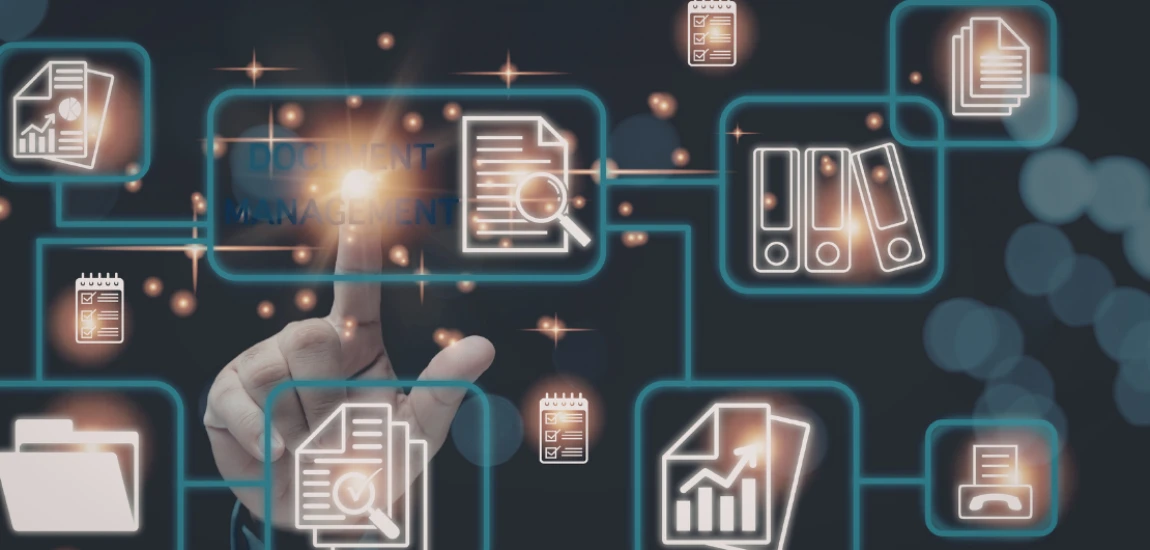
In today’s data-driven world, organizations are generating massive volumes of information from diverse sources such as cloud platforms, IoT devices, applications, and enterprise systems. Managing this complexity requires more than traditional data management approaches. This is where intelligent data fabric architectures and autonomous information flow systems come into play.
A data fabric is an integrated architectural framework that connects and manages data across multiple environments in real time. When enhanced with intelligence and automation, it becomes capable of autonomously discovering, integrating, governing, and optimizing data flows without constant human intervention.
These systems are transforming how enterprises handle information by enabling seamless data access, reducing silos, and improving decision-making speed and accuracy. They form the backbone of modern digital ecosystems, powering analytics, artificial intelligence, and real-time operations.
In this blog, we will explore the structure, benefits, applications, challenges, and future of intelligent data fabric architectures and autonomous information flow systems in detail.
Understanding Intelligent Data Fabric Architectures

What Is a Data Fabric
A data fabric is a unified architecture that connects data across different systems, platforms, and environments. It provides seamless access to data regardless of its location, format, or structure.
Unlike traditional data integration methods that rely on manual pipelines, data fabric uses automation and intelligent orchestration to manage data flows dynamically.
This approach eliminates data silos and ensures that organizations have real-time access to consistent and reliable data.
Intelligence Layer in Data Fabric Systems
The intelligent layer in data fabric architectures introduces automation, machine learning, and AI-driven decision-making capabilities.
This layer enables the system to automatically discover data sources, classify information, and optimize data movement based on usage patterns and demand.
It also enhances data quality by detecting anomalies and inconsistencies in real time.
Core Components of Data Fabric
Key components include data ingestion engines, metadata management systems, data integration tools, and governance frameworks.
These components work together to ensure smooth data flow across hybrid environments such as cloud, on-premises, and edge systems.
Architecture of Autonomous Information Flow Systems

Self-Managing Data Pipelines
Autonomous information flow systems are designed to manage data pipelines without human intervention. They automatically adjust data routing, transformation, and storage based on system conditions.
This reduces manual workload and improves operational efficiency.
Real-Time Data Orchestration
These systems use real-time orchestration mechanisms to ensure data is delivered where it is needed instantly.
They dynamically prioritize critical data streams, ensuring that high-value information is processed first.
AI-Driven Decision Engines
At the core of autonomous systems are AI-driven engines that analyze data patterns and make decisions about how data should flow through the system.
These engines continuously learn from system behavior and optimize performance over time.
Benefits of Intelligent Data Fabric Systems

Seamless Data Integration Across Platforms
One of the biggest benefits is the ability to integrate data across multiple environments without complex manual processes.
This enables organizations to break down data silos and create unified data ecosystems.
Improved Data Accessibility and Speed
Users can access real-time data faster, improving decision-making and operational efficiency.
This is particularly valuable in industries such as finance, healthcare, and e-commerce.
Enhanced Data Governance and Quality
Intelligent systems automatically enforce data governance policies and ensure high data quality.
This reduces errors and improves trust in enterprise data systems.
Applications Across Industries

Enterprise Analytics and Business Intelligence
Organizations use data fabric systems to power analytics dashboards and business intelligence tools.
This enables real-time insights into performance, customer behavior, and market trends.
Healthcare Data Management Systems
In healthcare, data fabric architectures integrate patient records, medical imaging, and research data.
This improves diagnosis accuracy and enhances patient care.
Financial Services and Risk Management
Financial institutions use autonomous data systems for fraud detection, risk analysis, and regulatory compliance.
These systems ensure fast and accurate financial decision-making.


Operating "The Blonde Abroad," Kiersten Rich specializes in solo female travel. Her blog provides destination guides, packing tips, and travel resources.
Kiersten Rich
Prev Post
Next Post