
Intelligent Atmospheric Water Generation Systems and Sustainable Freshwater Distribution Frameworks
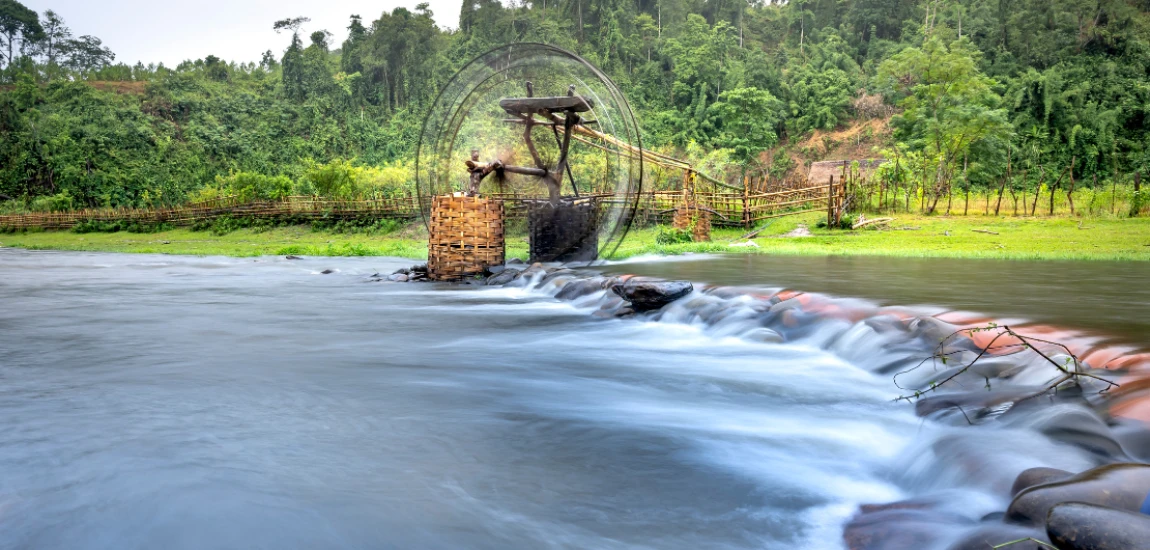
Water is one of the most essential resources for human survival, economic development, agriculture, industry, and environmental sustainability. Despite covering more than 70% of Earth's surface, freshwater remains scarce in many regions due to population growth, climate change, pollution, droughts, and inefficient water management systems. According to global estimates, billions of people face water stress for at least part of the year, while many communities struggle to access safe drinking water.
To address these growing challenges, researchers, engineers, and policymakers are exploring innovative solutions capable of producing and distributing freshwater more efficiently. One of the most promising developments is the emergence of Intelligent Atmospheric Water Generation Systems and Sustainable Freshwater Distribution Frameworks. These advanced systems combine atmospheric water harvesting technologies, artificial intelligence, renewable energy, smart infrastructure, and predictive analytics to create reliable and sustainable water supplies.
Unlike traditional water sourcing methods that depend on rivers, lakes, reservoirs, or groundwater, atmospheric water generation captures moisture directly from the air and converts it into clean, usable water. When integrated with intelligent distribution networks, these systems can deliver water where it is needed most while minimizing waste and environmental impact.
As water scarcity becomes an increasingly urgent global concern, intelligent atmospheric water generation may play a vital role in ensuring long-term water security for communities, industries, and ecosystems around the world.
Foundations of Intelligent Atmospheric Water Generation Systems

Understanding Atmospheric Water Harvesting
The atmosphere contains vast amounts of water vapor that continuously circulate through natural weather systems. Atmospheric water generation technologies are designed to capture this moisture and convert it into freshwater through condensation, adsorption, or other extraction processes.
Traditional atmospheric water generators primarily rely on cooling air below its dew point, causing water vapor to condense into liquid form. Modern systems are becoming increasingly efficient through the use of advanced materials, optimized thermodynamic processes, and intelligent control systems.
Atmospheric water harvesting provides a unique advantage because it is not dependent on local freshwater sources. This makes it especially valuable in regions facing drought, groundwater depletion, or limited infrastructure. As technological advancements continue, atmospheric water generation is becoming a practical solution for both urban and remote communities.
Evolution of Water Generation Technologies
Water generation technologies have evolved significantly over the past few decades. Early systems were often energy-intensive and limited in output capacity. Advances in materials science, nanotechnology, renewable energy integration, and AI-driven optimization have dramatically improved performance.
Modern atmospheric water generators can adapt to varying humidity levels, environmental conditions, and energy availability. Smart systems continuously monitor atmospheric conditions and optimize water extraction processes to maximize efficiency.
Future technologies may leverage advanced moisture-absorbing materials capable of extracting water even in arid environments where humidity levels are relatively low. These innovations could greatly expand the viability of atmospheric water generation worldwide.
Importance of Alternative Freshwater Sources
Climate change and growing water demand are placing unprecedented pressure on conventional water supplies. Rivers, reservoirs, and aquifers are becoming increasingly vulnerable to depletion and contamination.
Alternative water generation technologies diversify water sources and improve resilience against environmental disruptions. Atmospheric water generation provides a decentralized solution that can support communities during droughts, natural disasters, and infrastructure failures.
This diversification is critical for building sustainable and secure water systems capable of meeting future global demands.
Architecture of Sustainable Freshwater Distribution Frameworks

Smart Water Distribution Infrastructure
Generating freshwater is only part of the solution. Effective distribution frameworks are necessary to ensure water reaches consumers efficiently and reliably.
Smart distribution infrastructure utilizes sensors, connected devices, and automated control systems to monitor water flow, detect leaks, and optimize delivery routes. These technologies improve operational efficiency while reducing losses associated with aging infrastructure.
Future distribution networks may dynamically adjust water allocation based on demand patterns, environmental conditions, and system performance metrics.
AI-Driven Resource Allocation
Artificial intelligence plays a central role in managing sustainable freshwater distribution systems. AI algorithms analyze consumption trends, weather forecasts, population growth data, and infrastructure performance.
Using these insights, intelligent systems can predict future demand and allocate resources accordingly. This proactive approach helps prevent shortages and minimizes waste.
AI-powered decision-making also supports equitable water distribution by ensuring that vulnerable communities receive adequate access during periods of high demand or limited supply.
Real-Time Monitoring and Optimization
Continuous monitoring is essential for maintaining efficient water distribution operations. Advanced sensors provide real-time information regarding water quality, pressure levels, flow rates, and infrastructure conditions.
Intelligent control systems use this data to identify inefficiencies and implement corrective actions automatically. Such capabilities reduce maintenance costs while improving overall service reliability.
Real-time optimization ensures that freshwater resources are utilized as effectively as possible.
Advanced Technologies Driving Atmospheric Water Generation

Artificial Intelligence and Predictive Analytics
Artificial intelligence enhances atmospheric water generation by optimizing operational parameters based on environmental conditions. Machine learning algorithms analyze weather patterns, humidity fluctuations, and energy availability.
Predictive analytics enables systems to anticipate favorable water generation opportunities and adjust operations accordingly. This improves efficiency while reducing energy consumption.
As AI models continue learning from operational data, atmospheric water generation systems become increasingly effective and adaptive.
Advanced Moisture Capture Materials
Materials science is transforming atmospheric water harvesting capabilities. Researchers are developing highly efficient moisture-absorbing materials capable of capturing water vapor under diverse environmental conditions.
Metal-organic frameworks, nanostructured materials, and advanced desiccants offer significantly improved performance compared to traditional technologies. These materials can absorb moisture even in low-humidity environments and release it efficiently during collection processes.
Future innovations may further increase water yield while reducing operational costs and energy requirements.
Renewable Energy Integration
Sustainability requires minimizing the environmental footprint of water generation systems. Renewable energy sources such as solar, wind, and geothermal power can provide clean energy for atmospheric water harvesting operations.
Integrating renewable energy reduces reliance on fossil fuels while improving system resilience. Off-grid water generation systems powered by renewable energy may provide critical support for remote communities and disaster response efforts.
The combination of atmospheric water generation and renewable energy creates a highly sustainable approach to freshwater production.
Applications Across Communities, Industries, and Agriculture

Urban Water Security Solutions
Rapid urbanization is increasing pressure on municipal water supplies. Intelligent atmospheric water generation systems can supplement existing infrastructure and provide additional water resources during periods of high demand.
Smart distribution networks ensure efficient delivery while reducing losses associated with aging pipelines. Cities may utilize decentralized water generation units to improve resilience and support sustainable growth.
These systems can also reduce dependence on distant water sources and costly transportation infrastructure.
Agricultural Water Management
Agriculture accounts for a significant portion of global freshwater consumption. Atmospheric water generation technologies may provide alternative irrigation sources while reducing stress on rivers and groundwater reserves.
AI-driven water management platforms optimize irrigation schedules based on crop needs, weather conditions, and soil moisture levels. This improves agricultural productivity while conserving resources.
Sustainable agricultural water systems contribute to food security and environmental protection simultaneously.
Emergency and Disaster Response
Natural disasters often disrupt conventional water supplies, creating urgent humanitarian challenges. Portable atmospheric water generation systems can provide immediate access to clean drinking water during emergencies.
Autonomous water distribution frameworks may coordinate resource delivery to affected populations and support relief operations. Such capabilities improve disaster preparedness and response effectiveness.
Reliable access to freshwater is essential for protecting public health during crisis situations.


Operating "The Blonde Abroad," Kiersten Rich specializes in solo female travel. Her blog provides destination guides, packing tips, and travel resources.
Kiersten Rich

Prev Post

Next Post