
Human–Robot Collaboration Systems and Adaptive Industrial Automation Frameworks
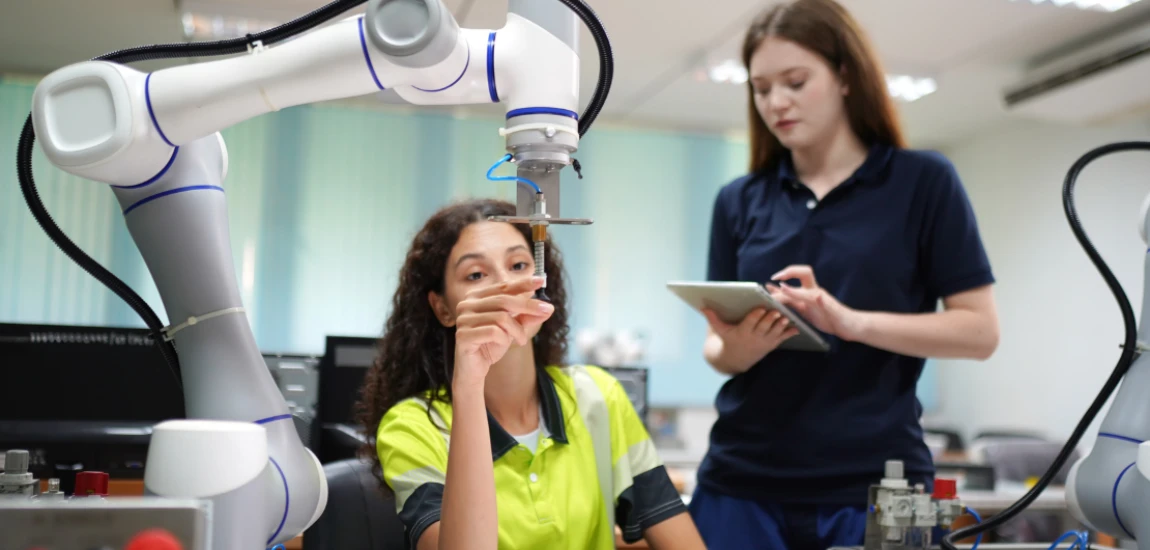
Human–robot collaboration systems are rapidly redefining modern industrial environments by enabling seamless interaction between humans and intelligent machines in shared workspaces. Unlike traditional automation models where robots function independently in isolated zones, these advanced systems are designed to work side-by-side with human workers, combining cognitive flexibility with mechanical precision. Adaptive industrial automation frameworks further enhance this transformation by allowing production systems to dynamically adjust based on real-time data, workload fluctuations, and environmental changes. These frameworks use artificial intelligence, machine learning, and sensor-driven feedback loops to continuously optimize workflows, improve safety, and increase productivity. As industries evolve toward smart factories and Industry 4.0 ecosystems, human–robot collaboration is becoming a foundational element in building efficient, flexible, and resilient manufacturing systems capable of meeting global production demands.
Understanding Human–Robot Collaboration Systems

What Are Human–Robot Collaboration Systems
Human–robot collaboration systems (HRC systems) are advanced industrial ecosystems where humans and robots work together in a shared environment to accomplish tasks efficiently and safely. These systems are designed to eliminate the traditional barriers between human workers and industrial robots, allowing both to operate in close proximity while maintaining high safety standards.
In these systems, robots are equipped with intelligent sensors, machine vision, and AI-driven decision-making capabilities that allow them to recognize human presence, interpret actions, and respond accordingly. This creates a dynamic workspace where tasks are distributed based on strengths—robots handle repetitive, physically demanding, or precision-based tasks, while humans focus on creativity, problem-solving, and oversight. The result is a highly efficient and balanced production environment.
Core Principles of Collaboration
The success of human–robot collaboration is built on three fundamental principles: safety, adaptability, and interaction. Safety ensures that robots can detect humans and avoid collisions using real-time sensor data and predictive algorithms. Adaptive behavior allows robots to modify their actions based on changing conditions, such as workflow shifts or unexpected human movements.
Interaction is achieved through multiple communication channels, including voice commands, gesture recognition, and digital interfaces. These systems also use contextual awareness to interpret human intent, making collaboration more natural and intuitive. Together, these principles ensure that humans and robots can operate harmoniously in complex industrial environments.
Importance in Modern Manufacturing
Modern manufacturing demands flexibility, speed, and precision, which traditional automation systems often struggle to deliver. Human–robot collaboration systems bridge this gap by combining human intelligence with robotic efficiency.
They significantly reduce production errors, improve workflow consistency, and enhance operational safety. Additionally, they allow manufacturers to quickly adapt to changing market demands without requiring complete system overhauls. This makes HRC systems essential for industries aiming to stay competitive in a rapidly evolving global economy.
Adaptive Industrial Automation Frameworks Explained

What Are Adaptive Automation Frameworks
Adaptive industrial automation frameworks are intelligent systems that continuously adjust manufacturing processes based on real-time data inputs. Unlike static automation systems that follow fixed programming, adaptive frameworks use AI-driven algorithms to evolve dynamically with operational conditions.
These systems analyze data from machines, sensors, and human inputs to optimize production flow, reduce inefficiencies, and enhance output quality. By learning from historical and real-time data, they improve decision-making over time and become more efficient with continuous operation.
Real-Time Decision-Making in Automation
One of the most powerful aspects of adaptive automation frameworks is their ability to make real-time decisions. These systems monitor production lines continuously and respond instantly to disruptions such as machine breakdowns, supply shortages, or changes in demand.
For example, if a machine slows down, the system can automatically redistribute tasks to maintain productivity. This level of responsiveness ensures minimal downtime and maximum efficiency. Real-time analytics also help predict potential failures before they occur, enabling proactive maintenance strategies.
Integration with Smart Factories
Adaptive automation frameworks are a core pillar of smart factory ecosystems. They connect machines, sensors, software systems, and human workers into a unified digital network. This interconnected environment allows for seamless data sharing and coordination across all levels of production.
Smart factories powered by adaptive frameworks benefit from increased transparency, improved resource utilization, and enhanced scalability. They also support predictive maintenance and energy optimization, reducing operational costs while increasing sustainability and efficiency.
Key Technologies Powering Human–Robot Collaboration

Artificial Intelligence and Machine Learning
Artificial intelligence and machine learning form the cognitive backbone of human–robot collaboration systems. These technologies enable robots to learn from experience, recognize patterns, and improve performance over time.
Machine learning algorithms analyze vast amounts of production data to optimize workflows and enhance decision-making. AI also enables predictive capabilities, allowing systems to anticipate human actions and adjust accordingly, improving coordination and reducing errors.
Robotics and Sensor Technologies
Advanced robotics combined with high-precision sensors enable safe and efficient human–robot interaction. Robots are equipped with vision systems, force sensors, and proximity detectors that allow them to perceive their environment in real time.
These sensors ensure that robots can detect human presence, avoid collisions, and adapt their movements dynamically. This makes collaborative environments safer and more efficient while enabling complex task execution.
Edge Computing and Real-Time Processing
Edge computing plays a critical role in enabling real-time responsiveness in collaborative systems. By processing data locally rather than relying on centralized servers, edge systems reduce latency and improve decision-making speed.
This is especially important in industrial environments where delays can impact safety and productivity. Real-time processing ensures that robots and systems respond instantly to changes in the environment.
Applications of Human–Robot Collaboration Systems

Smart Manufacturing and Assembly Lines
In smart manufacturing, human–robot collaboration systems optimize assembly lines by dividing tasks based on efficiency and capability. Robots handle repetitive and high-precision tasks, while humans oversee quality control and complex decision-making.
This collaboration improves production speed, reduces defects, and enhances overall product quality. It also allows manufacturers to scale operations efficiently without compromising flexibility.
Logistics and Warehouse Automation
In logistics and warehousing, collaborative robots assist human workers in sorting, packaging, and transporting goods. These systems reduce physical strain on workers while increasing operational efficiency.
They also enable faster order fulfillment and improved inventory management, making supply chain operations more responsive and reliable.
Healthcare and Assisted Operations
In healthcare, collaborative robots assist in surgeries, rehabilitation, and patient care. They provide precision and stability during complex procedures, reducing the risk of human error.
These systems also support elderly care and rehabilitation programs, improving patient outcomes and enhancing healthcare delivery.


Anil Polat, behind the blog "FoxNomad," combines technology and travel. A computer security engineer by profession, he focuses on the tech aspects of travel.
Anil Polat

Prev Post

Next Post