
Human-AI Cognitive Loop Design: Building Feedback Systems Between Thought and Machine Output
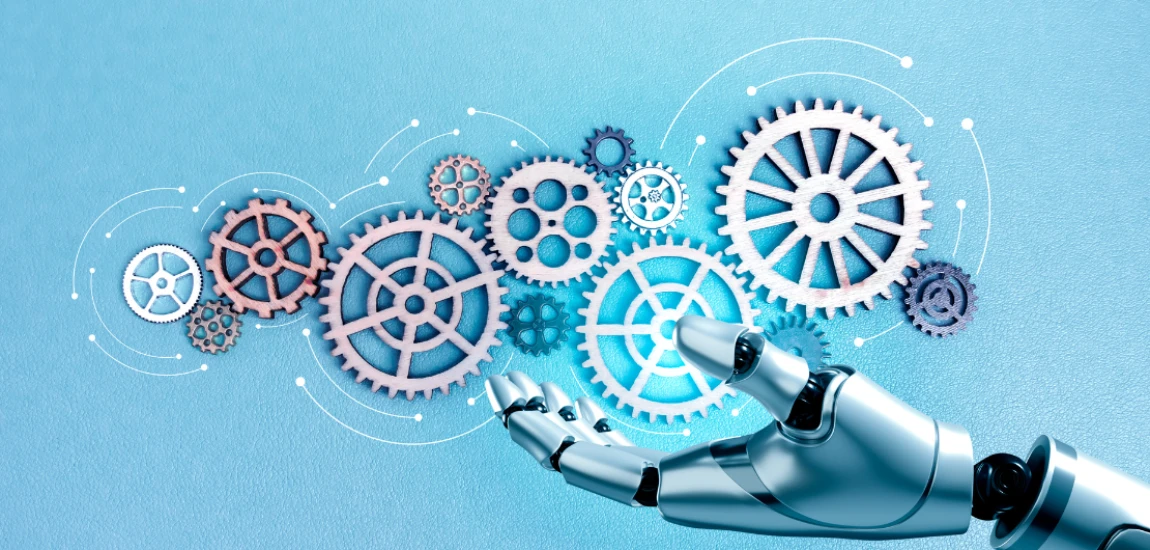
In today’s increasingly digital world, humans and artificial intelligence are no longer separate entities performing discrete tasks. Instead, the most effective systems integrate human cognition with AI output, creating dynamic feedback loops that enhance decision-making, creativity, and problem-solving. This concept, known as human-AI cognitive loop design, emphasizes structured interactions between human thought processes and machine intelligence to maximize insight, efficiency, and adaptability.
Human-AI cognitive loops are not just about input and output—they are about continuous iterative refinement. When humans provide guidance, context, and evaluation, AI models generate outputs that feed back into human decision-making. The results of this interaction inform further input, creating a self-improving cycle that leverages both human intuition and computational power. This approach transforms workflows in sectors ranging from healthcare and finance to creative industries and scientific research.
For individuals and organizations, understanding how to design effective cognitive loops between humans and machines is critical for future-ready operations. It involves identifying where human judgment is irreplaceable, where AI excels in pattern recognition, and how the two can complement each other seamlessly. Done correctly, these loops reduce cognitive overload, enhance learning, and enable more informed decisions.
This guide will explore the foundations of human-AI cognitive loop design, its practical implementation, tools and techniques, challenges, and strategies for building robust, adaptive feedback systems that harmonize human and machine intelligence.
Understanding Human-AI Cognitive Loops

The Concept of a Cognitive Loop
A cognitive loop is an iterative system in which feedback continually informs action. In human-AI contexts, it is the cycle where human input shapes AI output, and the AI output informs subsequent human reasoning. This continuous interaction allows both agents to refine their actions and decisions over time.
Unlike static automation, which merely executes predefined commands, cognitive loops thrive on adaptation. The AI’s capacity to process vast datasets and detect patterns complements human judgment, creativity, and contextual understanding. The loop itself becomes a learning system that grows smarter and more efficient with each iteration.
Differences Between Traditional Automation and Cognitive Loops
Traditional automation follows rigid, rule-based processes, producing outputs based on pre-set instructions. In contrast, cognitive loops are dynamic and adaptive. Human feedback actively shapes AI behavior, and the AI’s responses alter human thinking. This two-way exchange creates a system that is both responsive and anticipatory rather than merely reactive.
Why Cognitive Loops Matter
Cognitive loops maximize the strengths of both humans and machines. Humans contribute strategic thinking, ethical reasoning, and contextual interpretation, while AI brings computational power, pattern detection, and data-driven prediction. Together, these capabilities allow for faster, more informed decision-making and problem-solving in complex, uncertain environments.
Core Principles of Effective Human-AI Cognitive Loop Design

Iterative Feedback Integration
The loop thrives on constant iteration. Each AI output must be assessed, validated, and refined based on human judgment. This iterative process ensures continuous improvement and minimizes errors. Feedback cycles must be short enough to maintain relevance and long enough to allow meaningful insights.
Transparency and Explainability
Effective loops require AI transparency. Humans must understand how AI outputs are generated to provide meaningful feedback. Explainable AI techniques reveal decision-making logic, confidence levels, and reasoning patterns, allowing users to assess reliability and guide subsequent inputs.
Alignment with Human Cognitive Patterns
Cognitive loops are most effective when AI aligns with natural human thought processes. This includes intuitive interfaces, decision support visualization, and adaptive response formats. AI should complement rather than disrupt human reasoning, making feedback seamless and actionable.
Designing the Human-AI Interaction Workflow

Mapping Human Decision Points
The first step is identifying where human judgment is critical. Decision points could include ethical considerations, creative choices, or high-stakes scenarios where intuition and contextual knowledge are irreplaceable.
Determining AI Contribution
Next, assess where AI adds value. AI excels in processing large datasets, detecting patterns, forecasting outcomes, and generating alternatives. Mapping these contributions ensures that the AI complements human thinking without introducing unnecessary complexity.
Structuring Iterative Feedback Loops
Once roles are defined, structure loops that allow output to feed back into human cognition efficiently. Feedback mechanisms can be visual dashboards, real-time suggestions, or annotation systems. Clear communication channels enable humans to validate, adjust, and provide input that informs the next AI cycle.
Tools and Technologies Supporting Cognitive Loop Design

Decision Support Systems
Platforms that integrate AI-driven analytics with human input create ideal cognitive loop environments. Examples include Tableau for data interpretation and IBM Watson for AI-assisted insights.
Interactive AI Interfaces
Interfaces that allow users to query, adjust, and provide feedback on AI output are critical. Tools leveraging natural language processing, real-time visualization, and adaptive AI models enable seamless human-machine collaboration.
Monitoring and Metrics
Cognitive loops require monitoring to track effectiveness. Metrics such as accuracy improvement, iteration frequency, and human intervention rates provide insight into loop efficiency and guide optimization strategies.
Challenges in Human-AI Cognitive Loop Implementation

Cognitive Overload
Too much AI output or overly complex feedback mechanisms can overwhelm human operators. Loop design must balance information richness with cognitive usability, presenting actionable insights without causing fatigue.
Bias Amplification
AI can inadvertently amplify biases present in training data. Human feedback must actively identify and correct these biases, requiring awareness and vigilance at every iteration.
Technical Integration
Implementing cognitive loops across multiple systems requires technical interoperability. Ensuring seamless data flow, consistent user experience, and robust AI responsiveness is critical for loop functionality.


Kate McCulley, the voice behind "Adventurous Kate," provides travel advice tailored for women. Her blog encourages safe and adventurous travel for female readers.
Kate McCulley

Prev Post

Next Post